
Why is an etonogestrel implant rod used in a contraceptive implant?
Short answer
An etonogestrel implant rod is used because it steadily releases progestogen that prevents ovulation and helps make cervical mucus harder for sperm to cross.
This answers one question. It is not a diagnosis and does not replace an assessment by a licensed doctor.
At a glance
- Medicine type
- Progestogen contraceptive
- Placement
- Under the skin of the upper arm
- Key action
- Suppresses ovulation and thickens cervical mucus
What the rod does
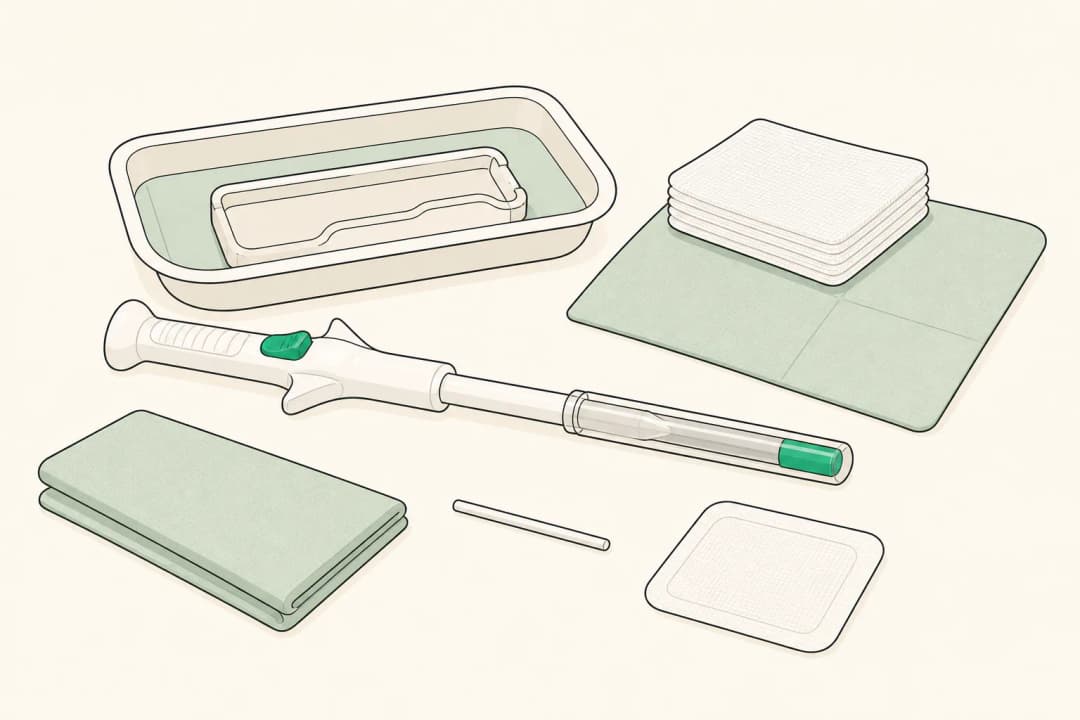
The rod is a small, flexible device placed under the skin of the upper arm by a trained clinician. It releases etonogestrel, a progestogen, into the bloodstream over time. This changes the hormonal signals involved in ovulation and thickens cervical mucus, making it more difficult for sperm to move through the cervix. The implant is designed to provide contraception without requiring a daily tablet.
Bleeding may become less predictable after insertion. Some people have spotting, lighter bleeding, longer bleeding, or no bleeding. These changes do not by themselves show whether the implant is working, so follow the clinician’s instructions about when contraception becomes effective.
Using the implant safely
Have the implant inserted, checked, and removed by a qualified healthcare professional. Keep the insertion site clean as it heals and learn how to feel the rod beneath the skin. Tell the clinician about medicines, herbal products, or medical conditions before insertion, because some treatments can reduce hormonal contraceptive effectiveness. Use additional contraception when advised, including during the time before the implant becomes effective.
If you cannot feel the rod, the arm becomes increasingly painful or swollen, or you think it has moved, arrange a prompt review and use backup contraception until you receive advice.
When to seek care
Seek urgent medical help for severe breathing difficulty, facial swelling, fainting, or sudden severe pain. Contact a clinician promptly for heavy or persistent bleeding, worsening redness or discharge at the insertion site, numbness or weakness in the arm, or a positive pregnancy test. These symptoms need assessment rather than being assumed to be a routine implant effect.
Questions for your doctor
Ask when the implant will start protecting you, how medicines you take may interact with it, what bleeding changes to expect, how long it can remain in place, and how it will be removed when you want a different contraceptive method.
Find care
General Clinics & Polyclinics in Abu Dhabi
That answer is general. If you want it applied to your own case, these are licensed general clinics & polyclinics listed in Abu Dhabi.
27 Ar Ruwwad St - Shakhbout City - MSH4 - Abu Dhabi - United Arab Emirates
Accepts: Daman, Thiqa, Cigna, MetLife +20 more
Al Ruwais, Al Dhafrah
Accepts: Daman, Thiqa, AXA, Cigna +16 more
Al Bahyah - Al Bahyah Old - Abu Dhabi - United Arab Emirates
Accepts: Daman, Thiqa, Cigna, Allianz Care +18 more
Abu Dhabi
Accepts: Daman, Thiqa, AXA, Cigna +27 more
Ordered by verification status and how complete each clinic's public record is, then alphabetically. This is a directory listing, not a ranking — Zavis does not rate or recommend providers.
A factual listing drawn from the DHA, DOH and MOHAP licence registers. It is not a referral, an endorsement, or advice that any of these providers is right for you.
Questions people ask
Does the rod release hormones all at once?
No. It is designed to release etonogestrel gradually while it remains in place.
Will bleeding changes mean the implant has failed?
Bleeding patterns can change with the implant and do not by themselves indicate contraceptive failure. Seek advice if bleeding is troublesome or pregnancy is possible.
Related
Related reading
Keep reading
Medical disclaimer. This page is general health information, not medical advice, and it cannot diagnose you. Always consult a licensed healthcare provider about your own symptoms and treatment. In an emergency in the UAE, call 998 for an ambulance.