
Which specialist treats fibromyalgia?
Short answer
A GP usually coordinates fibromyalgia care, with pain medicine, rheumatology, physiotherapy, and other clinicians involved when specific needs arise.
This answers one question. It is not a diagnosis and does not replace an assessment by a licensed doctor.
At a glance
- Care coordinator
- GP
- Helpful supports
- Pain management and exercise therapy
- Assessment
- Symptom pattern and examination
Why care is coordinated
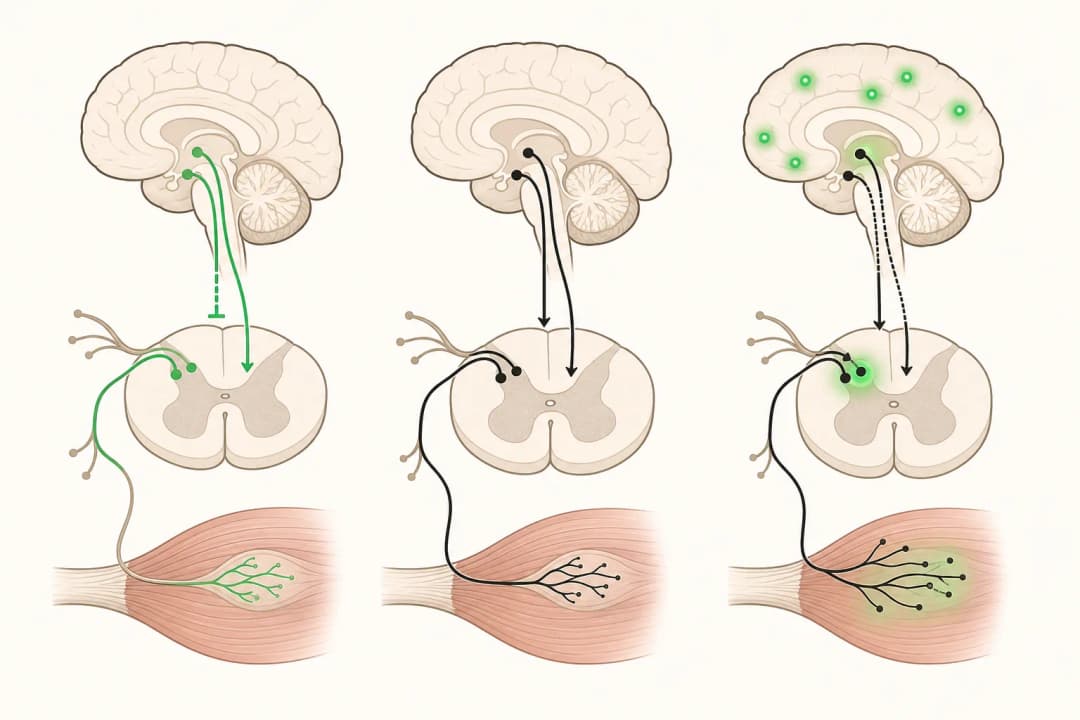
Fibromyalgia is a long-term pain condition that can involve widespread muscle aches, joint pain, fatigue, unrefreshing sleep, and difficulty concentrating. A GP consultation can review the full pattern, examine you, and consider other conditions that may cause similar symptoms. A rheumatologist may help when the diagnosis is uncertain or inflammatory disease needs consideration; a pain specialist can help build a broader symptom plan.
Exercise therapy, pacing, sleep support, and education often form part of care. A physiotherapist can adapt activity to your current tolerance and help you progress gradually. Tests are chosen for a clinical reason; a vitamin D test, for example, may be considered when symptoms or history make it relevant, but it does not by itself diagnose fibromyalgia.
How to start
Book a GP appointment and describe where pain occurs, how fatigue affects daily tasks, sleep quality, stiffness on waking, medicines, and symptom changes over time. Bring a short symptom diary and a list of treatments already tried. Ask for a coordinated plan that may include pain management and exercise therapy rather than relying on a single intervention.
When to seek prompt care
Seek prompt assessment for new chest pain, severe breathlessness, sudden weakness, confusion, a high fever, unexplained weight loss, or a swollen and hot joint. These symptoms are not explained by fibromyalgia alone and may need urgent evaluation. Arrange review if pain, fatigue, or sleep disruption changes sharply or prevents basic activities.
Questions to ask
Ask what findings support the diagnosis, which tests are genuinely needed, and how other causes will be checked. Discuss realistic activity goals, sleep measures, medication options, referral to pain management, and how progress will be reviewed.
Find care
General Clinics & Polyclinics in Abu Dhabi
That answer is general. If you want it applied to your own case, these are licensed general clinics & polyclinics listed in Abu Dhabi.
27 Ar Ruwwad St - Shakhbout City - MSH4 - Abu Dhabi - United Arab Emirates
Accepts: Daman, Thiqa, Cigna, MetLife +20 more
Al Ruwais, Al Dhafrah
Accepts: Daman, Thiqa, AXA, Cigna +16 more
Al Bahyah - Al Bahyah Old - Abu Dhabi - United Arab Emirates
Accepts: Daman, Thiqa, Cigna, Allianz Care +18 more
Abu Dhabi
Accepts: Daman, Thiqa, AXA, Cigna +27 more
Ordered by verification status and how complete each clinic's public record is, then alphabetically. This is a directory listing, not a ranking — Zavis does not rate or recommend providers.
A factual listing drawn from the DHA, DOH and MOHAP licence registers. It is not a referral, an endorsement, or advice that any of these providers is right for you.
Questions people ask
Do I need to see a rheumatologist?
Not everyone does. A GP can often start assessment and refer when symptoms, examination, or uncertainty suggest specialist rheumatology input.
Can physiotherapy treat fibromyalgia?
Exercise therapy may help function and symptom coping when it is paced and adjusted to your tolerance; a physiotherapist can help design that progression.
Related
Related reading
Keep reading
Medical disclaimer. This page is general health information, not medical advice, and it cannot diagnose you. Always consult a licensed healthcare provider about your own symptoms and treatment. In an emergency in the UAE, call 998 for an ambulance.