
When to worry about nipple discharge if you have intraductal papilloma
Short answer
Nipple Discharge is a common presentation of Intraductal Papilloma, but bloody, spontaneous, persistent, or changing discharge should be assessed by a clinician.
This answers one question. It is not a diagnosis and does not replace an assessment by a licensed doctor.
At a glance
- Where it occurs
- Inside a milk duct, often near the nipple
- Track
- Colour, amount, side, and spontaneous leakage
- Report promptly
- Blood, lump, nipple inversion, or infection signs
The link with a papilloma
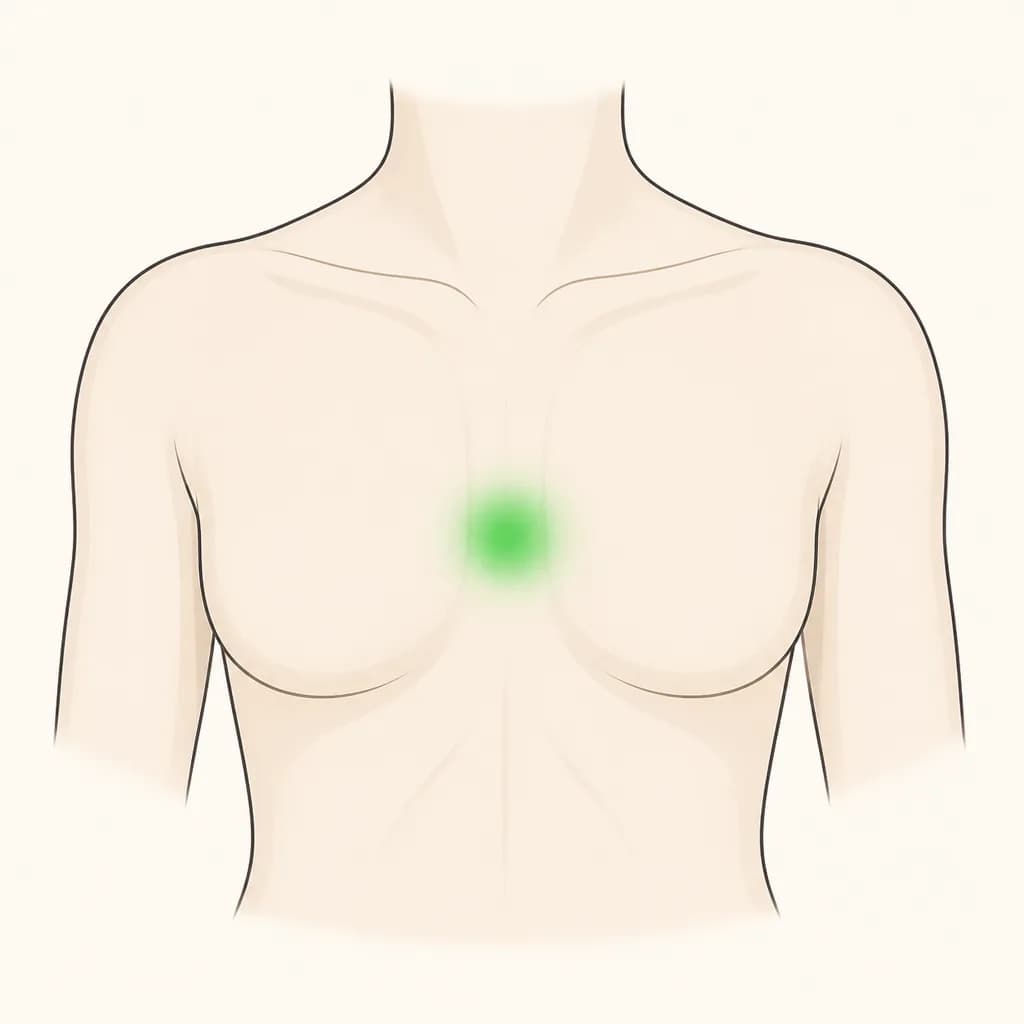
An intraductal papilloma is a small growth inside a milk duct, often close to the nipple. It can irritate the duct and cause fluid to appear, sometimes with a small lump or tenderness. Discharge may come from one nipple or one duct.
The appearance of fluid cannot confirm the cause. A new lump, nipple inversion, skin change, or a change from your usual pattern deserves review, even when a papilloma has already been identified. Your clinician may need to correlate the symptom with examination and breast imaging.
What you can do
Note the colour and amount of fluid, whether it appears without touching, and whether it comes from one side. Bring these details to your appointment, along with any previous scan or biopsy information. Avoid squeezing the nipple to check for discharge, since stimulation can produce more fluid.
Follow the recommended follow-up plan. Depending on the papilloma's features and your symptoms, your breast team may discuss observation, further sampling, or removal. The appropriate choice depends on your individual findings.
Warning signs
Contact your breast team promptly for blood-stained fluid, discharge that occurs on its own, a new or enlarging lump, nipple inversion, or a persistent change in the breast. Seek same-day advice if the breast becomes hot, red, swollen, or very painful, especially with fever. Urgent care is appropriate for rapid worsening or feeling severely unwell.
Questions to ask
Ask whether the papilloma explains the discharge, whether the lesion needs sampling or removal, how often follow-up is needed, and which changes should be reported immediately.
Find care
General Clinics & Polyclinics in Abu Dhabi
That answer is general. If you want it applied to your own case, these are licensed general clinics & polyclinics listed in Abu Dhabi.
27 Ar Ruwwad St - Shakhbout City - MSH4 - Abu Dhabi - United Arab Emirates
Accepts: Daman, Thiqa, Cigna, MetLife +20 more
Al Ruwais, Al Dhafrah
Accepts: Daman, Thiqa, AXA, Cigna +16 more
Al Bahyah - Al Bahyah Old - Abu Dhabi - United Arab Emirates
Accepts: Daman, Thiqa, Cigna, Allianz Care +18 more
Abu Dhabi
Accepts: Daman, Thiqa, AXA, Cigna +27 more
Ordered by verification status and how complete each clinic's public record is, then alphabetically. This is a directory listing, not a ranking — Zavis does not rate or recommend providers.
A factual listing drawn from the DHA, DOH and MOHAP licence registers. It is not a referral, an endorsement, or advice that any of these providers is right for you.
Questions people ask
Can an intraductal papilloma cause bloody discharge?
It can. Blood-stained discharge should still be reported so the breast team can assess the duct and surrounding tissue.
Is a papilloma always treated with surgery?
Not always. Management depends on examination, imaging, sampling results, symptoms, and the papilloma's features.
Keep reading
Medical disclaimer. This page is general health information, not medical advice, and it cannot diagnose you. Always consult a licensed healthcare provider about your own symptoms and treatment. In an emergency in the UAE, call 998 for an ambulance.