
When to worry about nipple discharge if you have breast cancer
Short answer
Nipple Discharge is a common presentation of Breast Cancer, but a new, bloody, one-sided, or spontaneous change should be reported promptly to your breast care team.
This answers one question. It is not a diagnosis and does not replace an assessment by a licensed doctor.
At a glance
- Report promptly
- New, spontaneous, one-sided, or bloody discharge
- Avoid
- Repeatedly squeezing the nipple
- Bring
- Medicine list and details of the discharge
What the discharge may mean
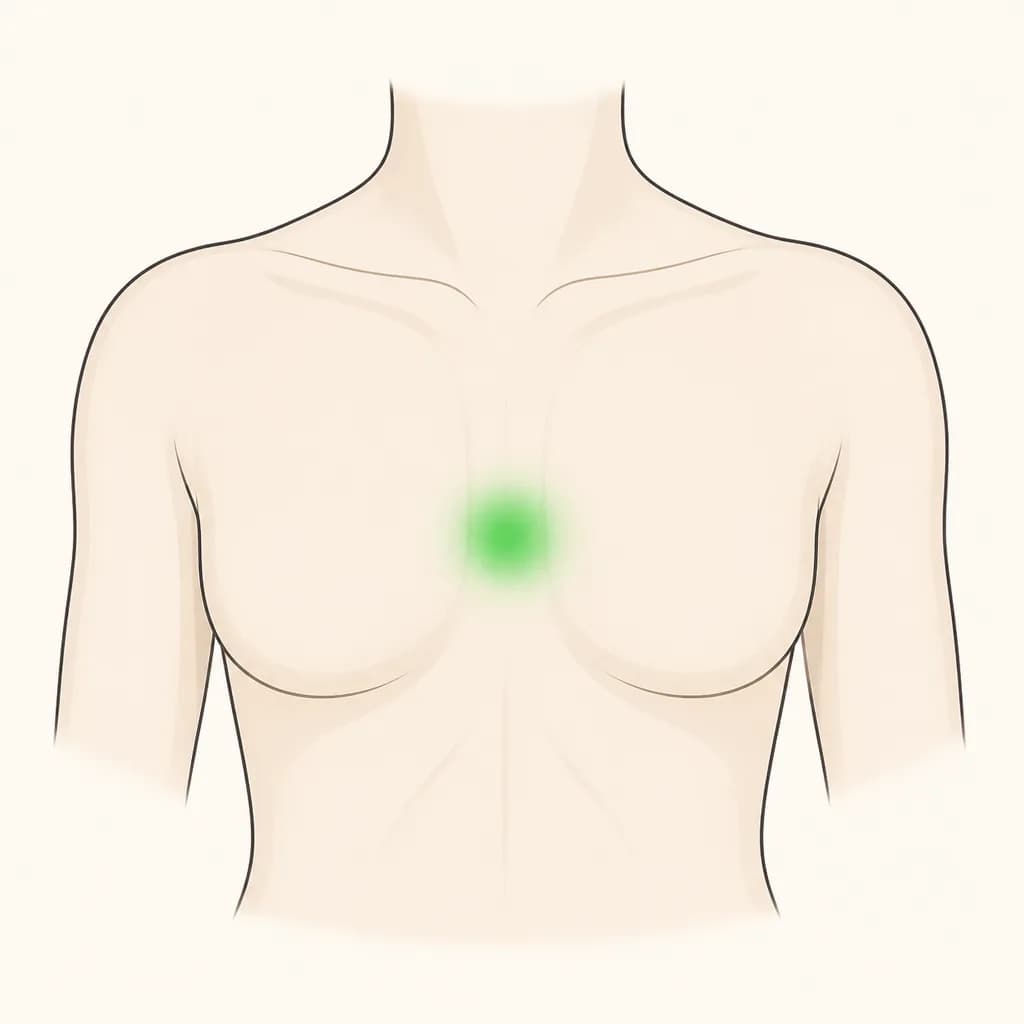
Discharge can come from changes within a milk duct, treatment effects, infection, or hormone-related activity. Colour and appearance provide clues but cannot establish the cause on their own. Clear, yellow, milky, or bloody fluid may need different evaluation, especially when it comes from one breast or one duct.
If you already have Breast Cancer, the clinical team will interpret the discharge alongside your examination, imaging, biopsy results, and current treatment. The discharge does not by itself show whether cancer has changed or spread.
What to do next
Contact your breast care team when discharge is new, continues without squeezing, stains clothing, or occurs with a lump, nipple inversion, skin change, redness, or pain. Note when it began, which breast is affected, whether it appears without touching the nipple, and its colour. Avoid repeatedly expressing the nipple, because stimulation can maintain discharge and make the pattern harder to assess.
Keep scheduled appointments and take a list of medicines, supplements, and recent procedures. Your clinician may examine the breast and nipple and decide whether further imaging, a sample of fluid, or another test is appropriate.
When to seek urgent care
Seek same-day medical advice for bloody discharge, rapidly increasing swelling, marked redness or warmth, fever, severe pain, or a wound that is draining. Go to urgent care for heavy bleeding, faintness, breathing difficulty, or feeling suddenly very unwell. These signs can reflect infection, bleeding, or another problem that needs prompt attention.
Questions for your doctor
Ask: Could my treatment or medicine be contributing to this discharge? Do I need an examination or imaging sooner? What changes should I record? Who should I contact outside office hours?
Find care
General Clinics & Polyclinics in Abu Dhabi
That answer is general. If you want it applied to your own case, these are licensed general clinics & polyclinics listed in Abu Dhabi.
27 Ar Ruwwad St - Shakhbout City - MSH4 - Abu Dhabi - United Arab Emirates
Accepts: Daman, Thiqa, Cigna, MetLife +20 more
Al Ruwais, Al Dhafrah
Accepts: Daman, Thiqa, AXA, Cigna +16 more
Al Bahyah - Al Bahyah Old - Abu Dhabi - United Arab Emirates
Accepts: Daman, Thiqa, Cigna, Allianz Care +18 more
Abu Dhabi
Accepts: Daman, Thiqa, AXA, Cigna +27 more
Ordered by verification status and how complete each clinic's public record is, then alphabetically. This is a directory listing, not a ranking — Zavis does not rate or recommend providers.
A factual listing drawn from the DHA, DOH and MOHAP licence registers. It is not a referral, an endorsement, or advice that any of these providers is right for you.
Questions people ask
Does nipple discharge prove that breast cancer is worsening?
No. Discharge has several possible causes, so your breast care team must assess the change in context.
What details should I record?
Record the colour, whether it happens without touching, which breast is affected, and any pain, lump, fever, or skin change.
Related
Related reading
Keep reading
Medical disclaimer. This page is general health information, not medical advice, and it cannot diagnose you. Always consult a licensed healthcare provider about your own symptoms and treatment. In an emergency in the UAE, call 998 for an ambulance.