
When to worry about leaking urine with stress urinary incontinence
Short answer
Leaking Urine is a very common presentation of Stress Urinary Incontinence, but new pain, blood, fever, inability to urinate, or rapidly worsening leakage needs medical assessment.
This answers one question. It is not a diagnosis and does not replace an assessment by a licensed doctor.
At a glance
- Typical trigger
- Coughing, sneezing, lifting, or exercise
- Track
- Triggers, urgency, pain, urine colour, and emptying
What the leakage can mean
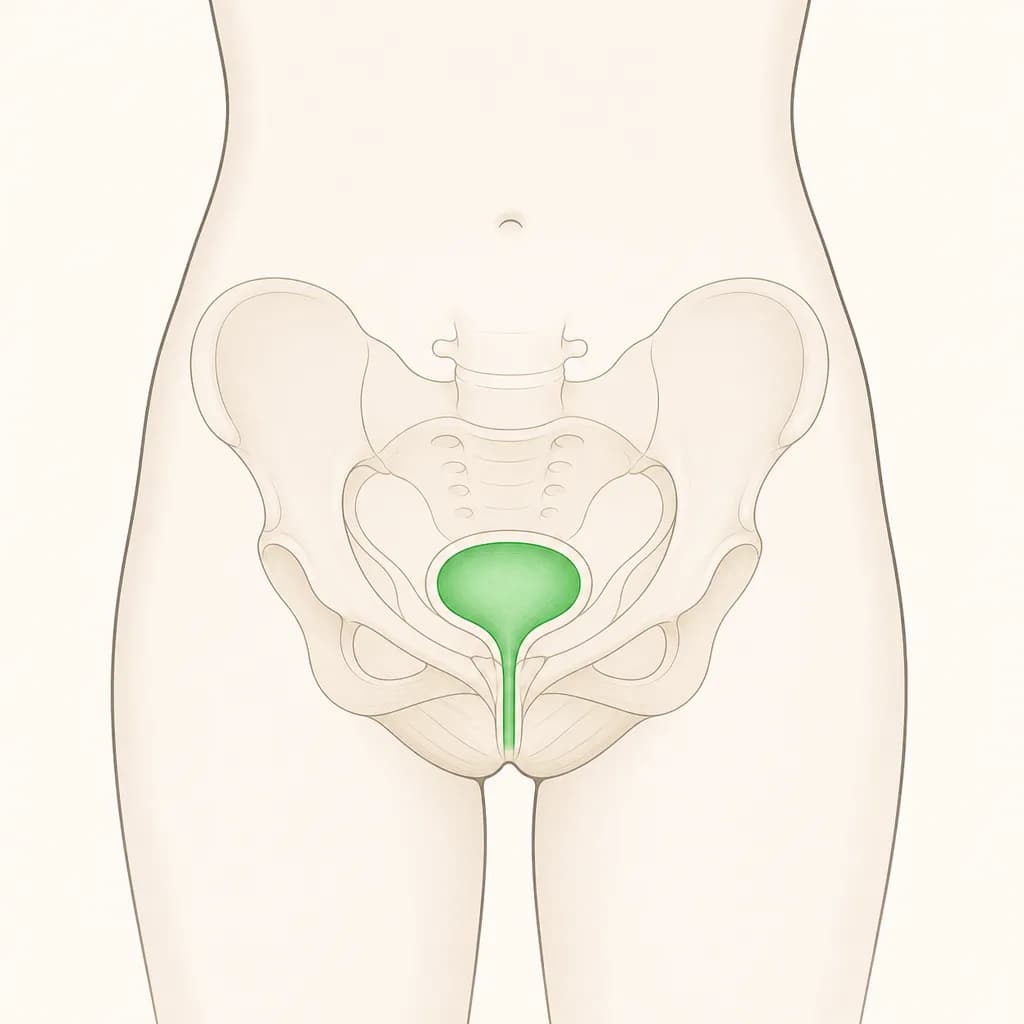
Stress urinary incontinence happens when pressure on the bladder rises during coughing, sneezing, laughing, lifting, exercise, or getting up. The pelvic floor and the bladder outlet may not close firmly enough at that moment. Leakage can range from a few drops to wetting clothing. It can also change after childbirth, pelvic surgery, menopause, weight changes, or repeated straining. A clinician may check whether the pattern fits stress leakage and whether infection, medication effects, constipation, or another bladder problem could be contributing.
What you can do now
Record when leakage occurs, what activity triggered it, and whether you also have urgency, burning, night-time urination, or difficulty emptying your bladder. Keep drinking normally rather than sharply restricting fluids. Avoid constipation and consider pelvic floor exercises guided by a trained clinician, because technique matters. Pads can protect clothing while you arrange care; change them regularly and keep the skin dry.
When to seek care
Arrange prompt medical advice for blood in the urine, burning with fever, new flank or pelvic pain, inability to pass urine, sudden loss of bladder control, numbness around the genitals, or weakness in a leg. Seek urgent help for severe pain, confusion, or feeling faint. Even without these warning signs, book an appointment if leakage is worsening, limiting activity, disturbing sleep, or continuing after childbirth or a procedure.
Questions for your doctor
Could this pattern be stress urinary incontinence or another bladder problem? Should I have a urine test or examination? How should I perform pelvic floor exercises, and when might referral to pelvic health physiotherapy help? Which symptoms would mean I should seek urgent care?
Find care
General Clinics & Polyclinics in Abu Dhabi
That answer is general. If you want it applied to your own case, these are licensed general clinics & polyclinics listed in Abu Dhabi.
27 Ar Ruwwad St - Shakhbout City - MSH4 - Abu Dhabi - United Arab Emirates
Accepts: Daman, Thiqa, Cigna, MetLife +20 more
Al Ruwais, Al Dhafrah
Accepts: Daman, Thiqa, AXA, Cigna +16 more
Al Bahyah - Al Bahyah Old - Abu Dhabi - United Arab Emirates
Accepts: Daman, Thiqa, Cigna, Allianz Care +18 more
Abu Dhabi
Accepts: Daman, Thiqa, AXA, Cigna +27 more
Ordered by verification status and how complete each clinic's public record is, then alphabetically. This is a directory listing, not a ranking — Zavis does not rate or recommend providers.
A factual listing drawn from the DHA, DOH and MOHAP licence registers. It is not a referral, an endorsement, or advice that any of these providers is right for you.
Questions people ask
Is occasional leakage worth discussing?
Yes. Assessment can identify contributing problems and give you treatment options before leakage restricts daily activities.
Can stress urinary incontinence cause burning?
Burning is not a typical feature of pressure-related leakage and may need assessment for a urinary infection or another cause.
Related
Related reading
Keep reading
Medical disclaimer. This page is general health information, not medical advice, and it cannot diagnose you. Always consult a licensed healthcare provider about your own symptoms and treatment. In an emergency in the UAE, call 998 for an ambulance.