
When to worry about jaundice with malaria
Short answer
Jaundice is a common presentation of Malaria, but it needs prompt assessment when it appears with fever, weakness, or worsening illness.
This answers one question. It is not a diagnosis and does not replace an assessment by a licensed doctor.
At a glance
- Possible mechanism
- Malaria can increase bilirubin through red-cell breakdown and liver involvement.
- Act promptly
- Jaundice during malaria should be discussed urgently with a clinician.
- Emergency signs
- Confusion, seizures, breathing trouble, inability to drink, or very little urine need emergency care.
What jaundice can mean during malaria
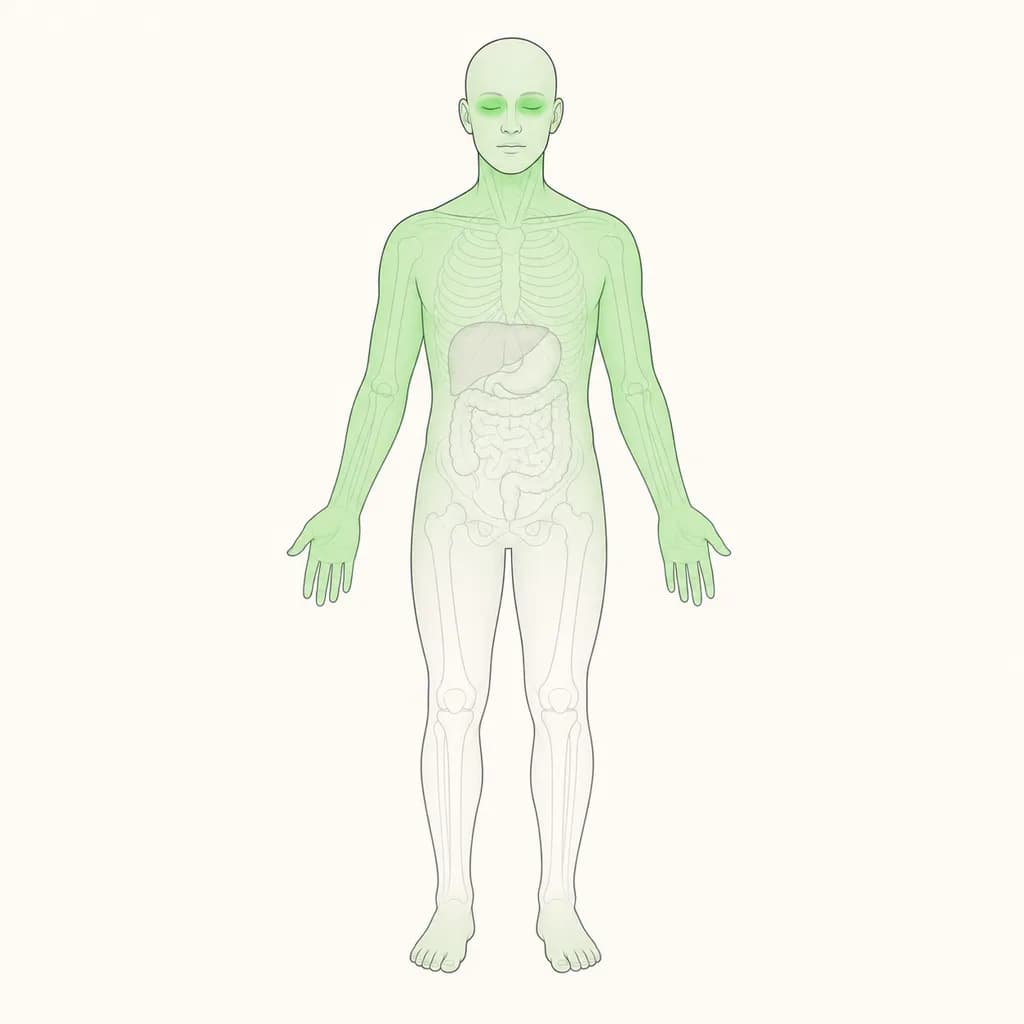
Malaria can break down red blood cells, releasing bilirubin that may turn the eyes or skin yellow. The infection can also affect the liver and other organs. Dark urine, marked tiredness, headache, fever, chills, nausea, abdominal discomfort, or reduced urine output can accompany illness. Yellowing does not show how severe the infection is by itself, so clinical assessment and testing are needed even if the person has started treatment.
What to do now
Contact a clinician urgently if jaundice develops during suspected or confirmed malaria, especially if fever continues, returns after improving, or medicines cannot be kept down. Take antimalarial treatment exactly as prescribed and do not substitute another product. Drink small amounts frequently if able, rest, and bring the treatment name and dose to the assessment. Avoid alcohol and unapproved medicines that may burden the liver.
When to seek emergency care
Go to emergency care for confusion, seizures, difficulty waking, fainting, breathing trouble, severe weakness, repeated vomiting, inability to drink, very little urine, unusual bleeding, or rapidly worsening fever. Severe malaria can progress quickly, and a person may need hospital monitoring even when the first symptoms seemed mild.
Questions for your doctor
Ask whether blood tests are needed to check malaria and liver function, whether the treatment is being absorbed, how to manage fever safely, and which symptoms mean you should return immediately.
Find care
General Clinics & Polyclinics in Abu Dhabi
That answer is general. If you want it applied to your own case, these are licensed general clinics & polyclinics listed in Abu Dhabi.
27 Ar Ruwwad St - Shakhbout City - MSH4 - Abu Dhabi - United Arab Emirates
Accepts: Daman, Thiqa, Cigna, MetLife +20 more
Al Ruwais, Al Dhafrah
Accepts: Daman, Thiqa, AXA, Cigna +16 more
Al Bahyah - Al Bahyah Old - Abu Dhabi - United Arab Emirates
Accepts: Daman, Thiqa, Cigna, Allianz Care +18 more
Abu Dhabi
Accepts: Daman, Thiqa, AXA, Cigna +27 more
Ordered by verification status and how complete each clinic's public record is, then alphabetically. This is a directory listing, not a ranking — Zavis does not rate or recommend providers.
A factual listing drawn from the DHA, DOH and MOHAP licence registers. It is not a referral, an endorsement, or advice that any of these providers is right for you.
Questions people ask
Can jaundice happen with malaria?
Yes. Malaria can cause yellowing through red-cell breakdown and effects on the liver, but the person still needs assessment to judge severity and treatment response.
What if fever continues after starting treatment?
Contact the treating clinician promptly. Persistent or returning fever, worsening weakness, vomiting, or increasing yellowing may require reassessment of the diagnosis, treatment, or complications.
Related
Related reading
Medical disclaimer. This page is general health information, not medical advice, and it cannot diagnose you. Always consult a licensed healthcare provider about your own symptoms and treatment. In an emergency in the UAE, call 998 for an ambulance.