
When to worry about difficulty passing urine with prostate cancer
Short answer
Difficulty Passing Urine is a very common presentation of Prostate Cancer. Seek urgent care if you cannot pass urine, have severe lower abdominal pain, fever, confusion, or blood in the urine.
This answers one question. It is not a diagnosis and does not replace an assessment by a licensed doctor.
At a glance
- Emergency sign
- Being unable to pass urine needs urgent assessment.
- Useful record
- Note stream changes, pain, fever, and visible blood.
What the change in urine flow can mean
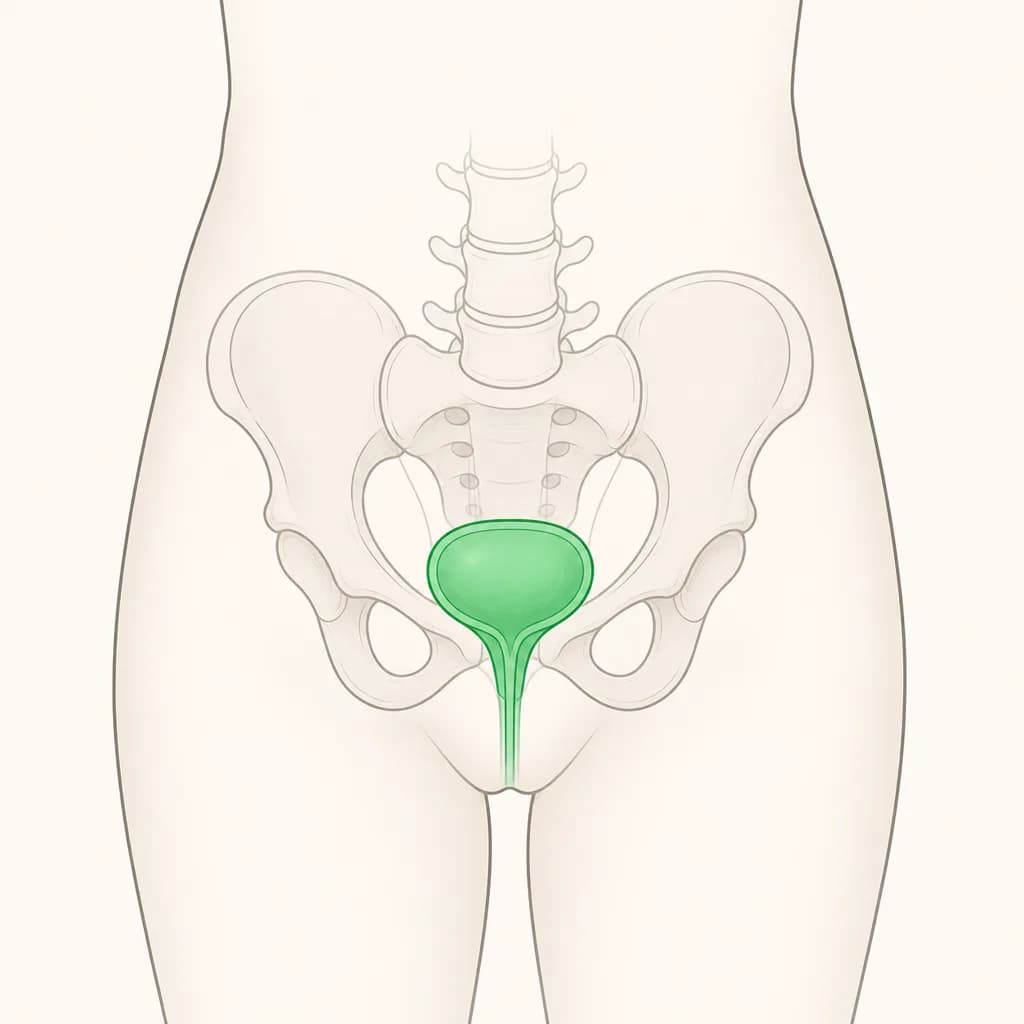
A prostate tumour or swelling around the prostate may narrow the tube that carries urine from the bladder. Treatment, an enlarged prostate unrelated to cancer, infection, constipation, or medicines can also alter the stream. A weak flow, hesitancy, dribbling, frequent night-time urination, or a feeling of incomplete emptying deserves review, particularly if it is new or worsening.
Difficulty passing urine does not by itself show what is causing the symptom. A clinician may ask about your cancer treatment, examine your abdomen, test a urine sample, and check how much urine remains in the bladder.
What to do now
Contact your oncology or primary-care team promptly about a new change, even if some urine still passes. Record when it began, whether the stream is weaker, how often you urinate, and any pain, fever, or visible blood. Take prescribed medicines as directed and do not stop cancer treatment without advice. Avoid taking leftover antibiotics or medicines intended to improve flow for someone else.
When to seek care
Go to an emergency department if you cannot urinate, your lower abdomen becomes swollen or very painful, or you develop fever with shaking, confusion, vomiting, or marked weakness. Seek same-day medical advice for blood in the urine, severe pain, new back or side pain, or rapidly worsening difficulty. These symptoms can signal blockage, infection, or another problem needing prompt treatment.
Questions for your doctor
Ask whether the change could relate to the prostate cancer, its treatment, infection, or another urinary problem. Ask whether you need a urine test, bladder scan, medication review, or a plan to monitor the stream. Clarify which symptoms should take you straight to emergency care.
Find care
General Clinics & Polyclinics in Abu Dhabi
That answer is general. If you want it applied to your own case, these are licensed general clinics & polyclinics listed in Abu Dhabi.
27 Ar Ruwwad St - Shakhbout City - MSH4 - Abu Dhabi - United Arab Emirates
Accepts: Daman, Thiqa, Cigna, MetLife +20 more
Al Ruwais, Al Dhafrah
Accepts: Daman, Thiqa, AXA, Cigna +16 more
Al Bahyah - Al Bahyah Old - Abu Dhabi - United Arab Emirates
Accepts: Daman, Thiqa, Cigna, Allianz Care +18 more
Abu Dhabi
Accepts: Daman, Thiqa, AXA, Cigna +27 more
Ordered by verification status and how complete each clinic's public record is, then alphabetically. This is a directory listing, not a ranking — Zavis does not rate or recommend providers.
A factual listing drawn from the DHA, DOH and MOHAP licence registers. It is not a referral, an endorsement, or advice that any of these providers is right for you.
Questions people ask
Can prostate cancer treatment affect urination?
Yes. Surgery, radiotherapy, medicines, and other treatments may change bladder or urine-flow symptoms, so report a new or worsening pattern to your care team.
What if I can pass only a small amount?
Contact a clinician promptly, especially with increasing pressure, pain, or repeated attempts, because the bladder may not be emptying properly.
Related
Related reading
Keep reading
Medical disclaimer. This page is general health information, not medical advice, and it cannot diagnose you. Always consult a licensed healthcare provider about your own symptoms and treatment. In an emergency in the UAE, call 998 for an ambulance.