
When should you see a doctor about visible deformity after injury?
Short answer
See a doctor immediately for a visible deformity after injury because it may indicate a fracture or dislocation and can affect nearby nerves, blood vessels, skin, or soft tissue.
This answers one question. It is not a diagnosis and does not replace an assessment by a licensed doctor.
At a glance
- First action
- Keep the area still and obtain immediate medical assessment.
- Emergency warning
- Cold, pale, blue, numb, immobile, bleeding, or open injuries need emergency help.
What a changed shape can mean
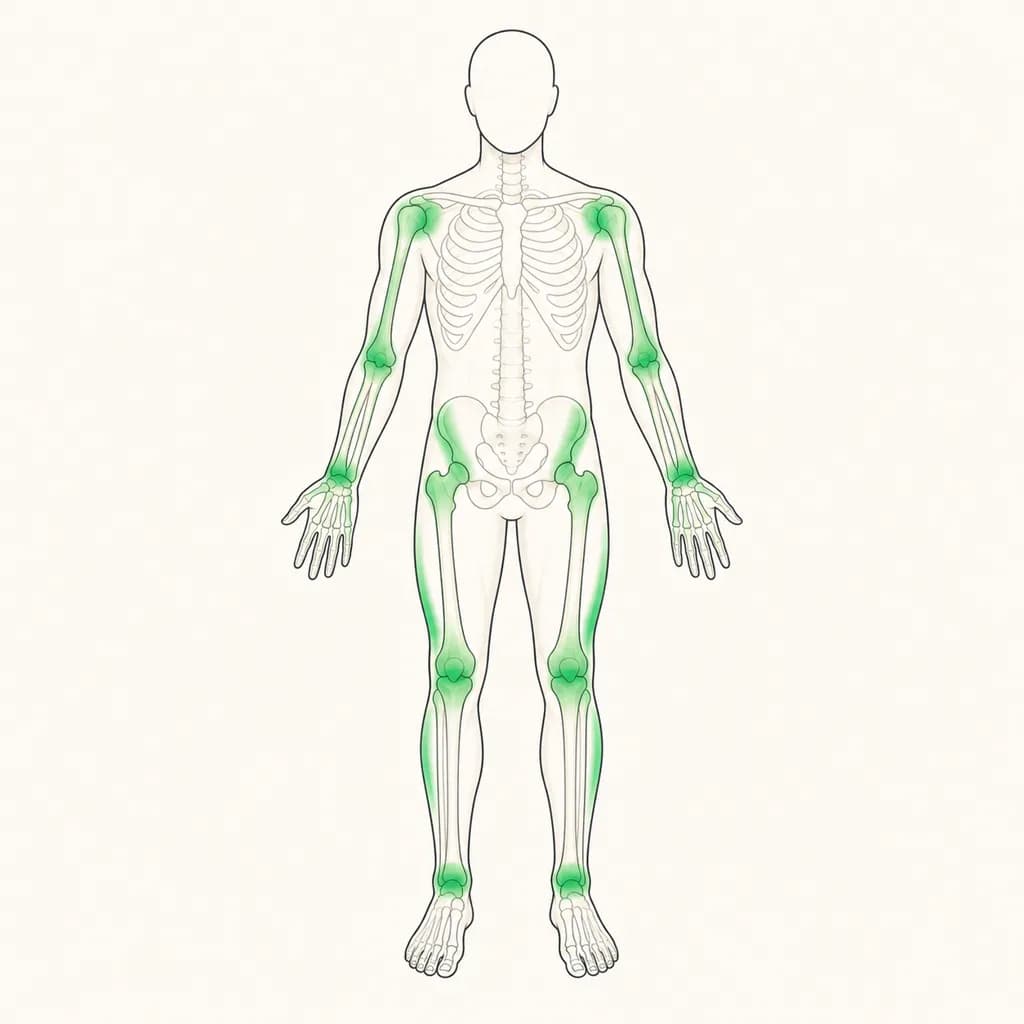
A limb or joint that looks bent, shortened, displaced, or out of line may reflect a broken bone or a dislocated joint. Examples include an ankle fracture, clavicle fracture, distal radius fracture, elbow dislocation, patellar dislocation, or shoulder dislocation. Swelling can make an injury look different, but a clear change in alignment should not be judged at home. The appearance does not show the full extent of damage.
What to do before help arrives
Keep the injured area still in the position found and support it with padding if this can be done without moving the deformity. Remove rings, watches, or tight items before swelling increases. Cover an open wound with a clean dressing without pushing exposed bone back. Do not straighten the limb, test the joint, eat or drink in case a procedure is needed, or drive yourself if the injury is severe.
Call emergency services now
Call emergency services for heavy bleeding, exposed bone, rapidly increasing swelling, severe uncontrolled pain, fainting, or difficulty breathing. Urgent help is also needed if the hand or foot is cold, pale, blue, numb, or cannot move. Even when circulation and sensation seem normal, arrange immediate assessment because alignment, skin, and internal injuries may require treatment.
Questions after initial care
Ask which bone or joint is injured, whether imaging confirms the position, and how the area will be protected. Ask how to check circulation and sensation at home, how much weight or movement is allowed, and which changes require immediate return. Before leaving, clarify follow-up timing and pain-control instructions.
Find care
General Clinics & Polyclinics in Abu Dhabi
That answer is general. If you want it applied to your own case, these are licensed general clinics & polyclinics listed in Abu Dhabi.
27 Ar Ruwwad St - Shakhbout City - MSH4 - Abu Dhabi - United Arab Emirates
Accepts: Daman, Thiqa, Cigna, MetLife +20 more
Al Ruwais, Al Dhafrah
Accepts: Daman, Thiqa, AXA, Cigna +16 more
Al Bahyah - Al Bahyah Old - Abu Dhabi - United Arab Emirates
Accepts: Daman, Thiqa, Cigna, Allianz Care +18 more
Abu Dhabi
Accepts: Daman, Thiqa, AXA, Cigna +27 more
Ordered by verification status and how complete each clinic's public record is, then alphabetically. This is a directory listing, not a ranking — Zavis does not rate or recommend providers.
A factual listing drawn from the DHA, DOH and MOHAP licence registers. It is not a referral, an endorsement, or advice that any of these providers is right for you.
Questions people ask
Should I try to straighten a deformed limb?
No. Straightening can worsen damage to bone, skin, nerves, or blood vessels. Support the area as found and wait for trained medical help.
Can a deformity be treated at home if pain is mild?
No. Pain intensity does not reliably show the injury’s extent, and a visible alignment change needs prompt examination and imaging.
Related
Related reading
Keep reading
Medical disclaimer. This page is general health information, not medical advice, and it cannot diagnose you. Always consult a licensed healthcare provider about your own symptoms and treatment. In an emergency in the UAE, call 998 for an ambulance.