
When should you see a doctor about change in bowel habits?
Short answer
See a doctor about a change in bowel habits when it is new, persistent, or accompanied by blood, abdominal pain, weight change, vomiting, or unusual tiredness.
This answers one question. It is not a diagnosis and does not replace an assessment by a licensed doctor.
At a glance
- Arrange review
- A new or persistent bowel pattern
- Report promptly
- Blood, severe pain, vomiting, or treatment-related diarrhoea
What a bowel change can mean
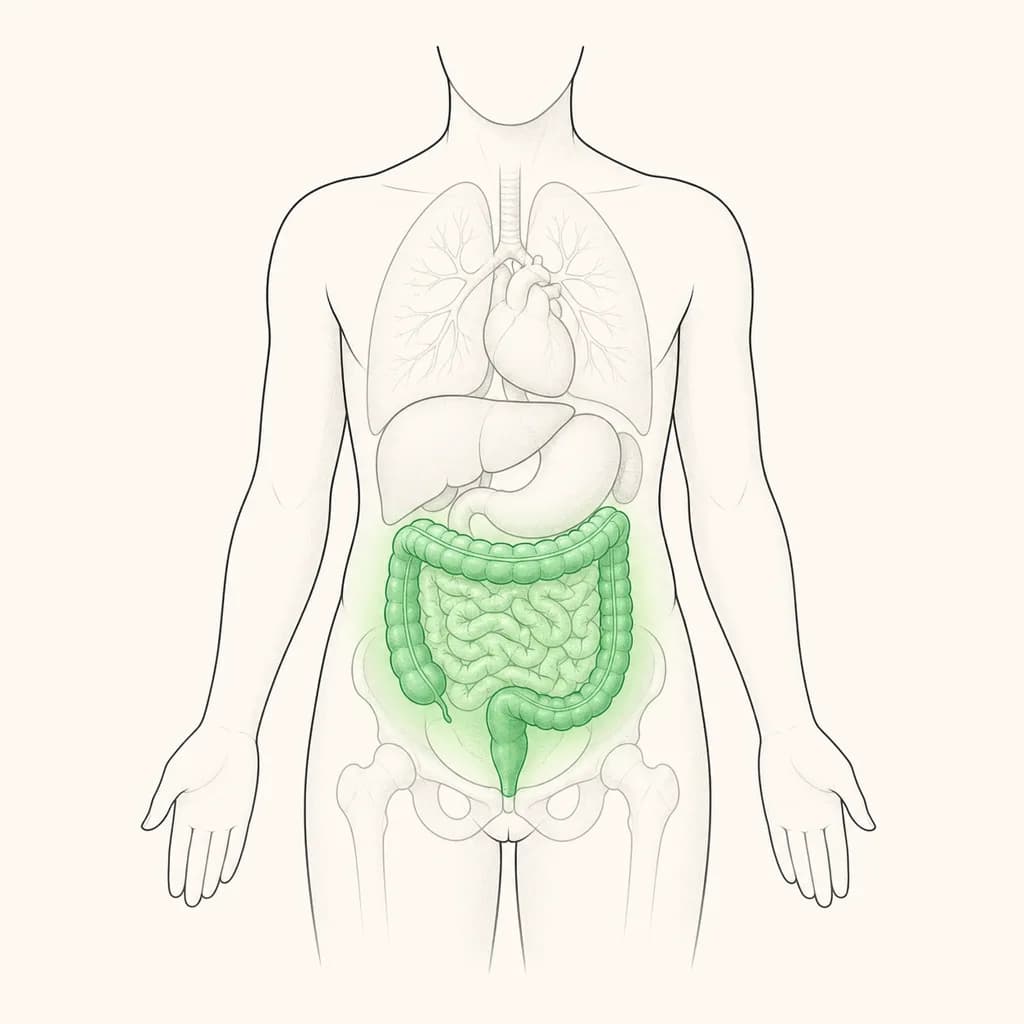
A bowel change can include new constipation, diarrhoea, alternating patterns, narrower stools, urgency, or a feeling that the bowel has not emptied. Diet, infection, medicines, stress, and inflammation can cause these symptoms. A change in bowel habits is a presentation of colorectal cancer and rectal cancer, but it does not by itself establish either diagnosis.
Note the form and frequency of stool, blood or dark colour, mucus, pain, bloating, fever, appetite, and energy. If you receive immunotherapy, diarrhoea or abdominal pain may be an immune-related treatment side effect and should be reported to your cancer team rather than managed alone.
What to do next
Arrange a clinical review for an unexplained change that persists, recurs, or interferes with daily life. Bring a list of medicines and describe recent diet, travel, infections, and cancer treatments. Drink appropriate fluids unless a clinician has restricted them. Avoid taking anti-diarrhoeal or laxative medicines repeatedly without advice, because the underlying cause may need assessment.
When to seek urgent care
Seek urgent help for heavy rectal bleeding, black stools with weakness or dizziness, severe abdominal pain, persistent vomiting, a swollen abdomen with inability to pass stool or gas, fainting, or signs of dehydration such as confusion and very little urine. People on cancer treatment should contact their oncology team promptly for significant or rapidly worsening diarrhoea.
Questions for your doctor
Ask what may be causing the pattern, whether examination or stool and blood tests are needed, and whether bowel imaging is appropriate. If you are receiving immunotherapy, ask whether treatment should be paused or adjusted and which symptoms require same-day advice.
Questions people ask
Does a change in bowel habits mean bowel cancer?
No. Many non-cancer causes can change bowel habits, but persistent or concerning symptoms should be assessed.
Should immunotherapy diarrhoea be reported?
Yes. Tell your oncology team promptly because diarrhoea can be an immune-related treatment side effect.
Related
Related reading
Keep reading
Cancer care in the UAE
Hospitals & Medical Centers in Abu Dhabi
Most UAE cancer care is delivered inside hospital services rather than by standalone oncology clinics, so these are licensed hospitals & medical centers listed in Abu Dhabi. Confirm the specific cancer service exists before you travel, and know that asking for a second opinion is routine.
Ahalia Hospital Musaffah Building - Musaffah - Musaffah Industrial - Abu Dhabi - United Arab Emirates
Accepts: Daman, Thiqa, AXA, Cigna +26 more
Al Ruwais Industrial City - Abu Dhabi - United Arab Emirates
Accepts: Daman, Thiqa, AXA, Cigna +30 more
Abu Dhabi, Abu Dhabi
Accepts: Daman, Thiqa, AXA, Cigna +30 more
Second opinions are routine in cancer care and asking for one does not affect your treatment. How to arrange a second opinion in the UAE.
Ordered by verification status and how complete each clinic's public record is, then alphabetically. This is a directory listing, not a ranking — Zavis does not rate or recommend providers.
A factual listing drawn from the DHA, DOH and MOHAP licence registers. It is not a referral, an endorsement, or advice that any of these providers is right for you.
Medical disclaimer. This page is general health information, not medical advice, and it cannot diagnose you. Always consult a licensed healthcare provider about your own symptoms and treatment. In an emergency in the UAE, call 998 for an ambulance.