
When is oral corticosteroid treatment recommended for hives?
Short answer
Oral corticosteroid treatment may be recommended for a severe or persistent hives flare when antihistamines have not controlled the symptoms, and only after a clinician weighs its risks and benefits.
This answers one question. It is not a diagnosis and does not replace an assessment by a licensed doctor.
At a glance
- Typical role
- Short-term rescue option for selected difficult flares
- Medical review
- Needed before starting or repeating treatment
- Emergency signs
- Mouth or throat swelling, breathing trouble, faintness
What this treatment means
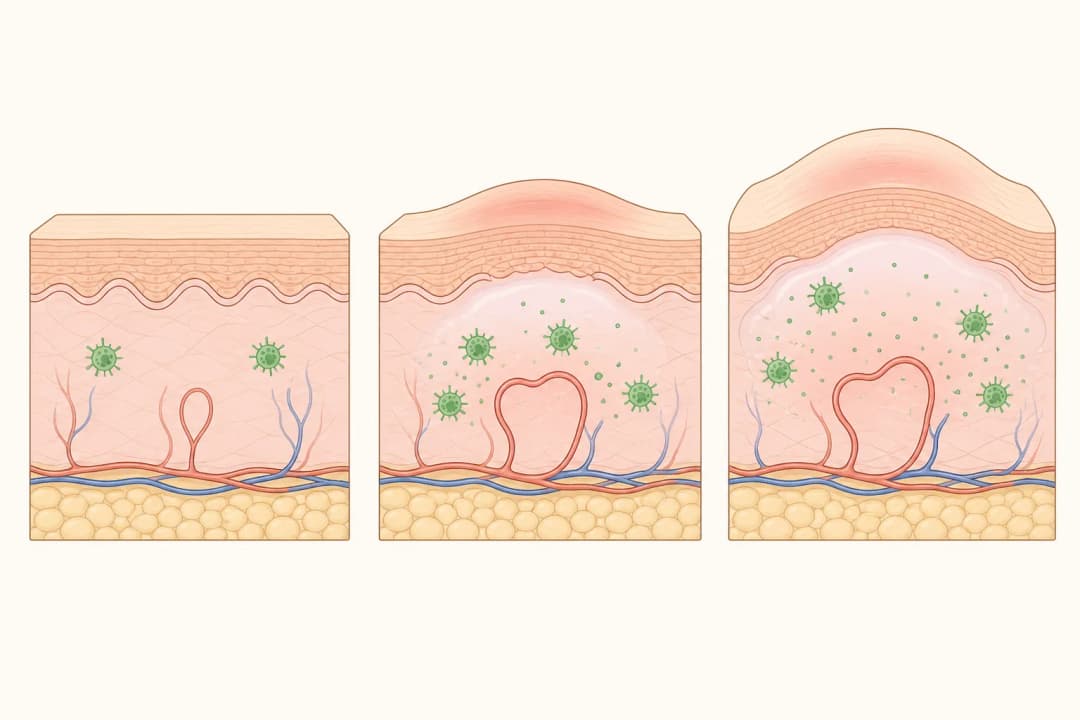
Hives, also called urticaria, cause raised, itchy welts that can appear and fade in different places. Corticosteroids reduce inflammation throughout the body, so they can calm a difficult flare quickly. They are generally reserved for short courses because repeated or prolonged use can cause problems such as sleep disturbance, mood changes, indigestion, raised blood sugar, fluid retention, and increased susceptibility to infection. They do not identify or remove the trigger, and they are not a substitute for emergency treatment when breathing or swallowing is affected.
What to do before taking it
Arrange an assessment if the rash is extensive, keeps returning, or is interfering with sleep despite an antihistamine plan. Tell the clinician about diabetes, high blood pressure, stomach ulcers, immune problems, pregnancy, current infections, and every medicine or supplement you use. Take the prescribed course exactly as directed; do not extend it, share it, or restart leftover tablets. A clinician may also review likely triggers and a longer-term treatment plan for recurrent hives.
When to seek urgent care
Call emergency services immediately for swelling of the lips, tongue, mouth, or throat; trouble breathing; wheezing; faintness; confusion; or difficulty swallowing. These symptoms can signal a severe allergic reaction and need urgent treatment. Seek prompt medical review if individual welts stay fixed in one place, become painful, bruise, or leave marks, because that pattern may need a different evaluation.
Questions for your doctor
Ask what makes your flare severe enough to consider a corticosteroid, how long the course should last, which side effects need a call, and what to use if hives return. Ask whether your other medicines or health conditions change the choice, and whether an allergy or chronic urticaria assessment is appropriate.
Find care
General Clinics & Polyclinics in Abu Dhabi
That answer is general. If you want it applied to your own case, these are licensed general clinics & polyclinics listed in Abu Dhabi.
27 Ar Ruwwad St - Shakhbout City - MSH4 - Abu Dhabi - United Arab Emirates
Accepts: Daman, Thiqa, Cigna, MetLife +20 more
Al Ruwais, Al Dhafrah
Accepts: Daman, Thiqa, AXA, Cigna +16 more
Al Bahyah - Al Bahyah Old - Abu Dhabi - United Arab Emirates
Accepts: Daman, Thiqa, Cigna, Allianz Care +18 more
Abu Dhabi
Accepts: Daman, Thiqa, AXA, Cigna +27 more
Ordered by verification status and how complete each clinic's public record is, then alphabetically. This is a directory listing, not a ranking — Zavis does not rate or recommend providers.
A factual listing drawn from the DHA, DOH and MOHAP licence registers. It is not a referral, an endorsement, or advice that any of these providers is right for you.
Questions people ask
Are oral corticosteroids the usual first treatment for hives?
No. Clinicians commonly begin with a suitable antihistamine plan and reserve oral corticosteroids for selected severe or persistent flares.
Can I use leftover corticosteroid tablets for a new rash?
No. A new rash may have a different cause, and a clinician should confirm the diagnosis and prescribe an appropriate course.
Related
Related reading
Keep reading
Medical disclaimer. This page is general health information, not medical advice, and it cannot diagnose you. Always consult a licensed healthcare provider about your own symptoms and treatment. In an emergency in the UAE, call 998 for an ambulance.