
When is CO2 laser resurfacing recommended for xanthelasma?
Short answer
CO2 laser resurfacing may be recommended for selected xanthelasma when the deposits are confirmed, suitable for laser treatment, and the benefits and eyelid-specific risks have been discussed.
This answers one question. It is not a diagnosis and does not replace an assessment by a licensed doctor.
At a glance
- Area
- Eyelid skin
- Key decision
- Diagnosis, lesion depth, and eye-area safety
- Possible return
- Xanthelasma can recur after removal
What this treatment means
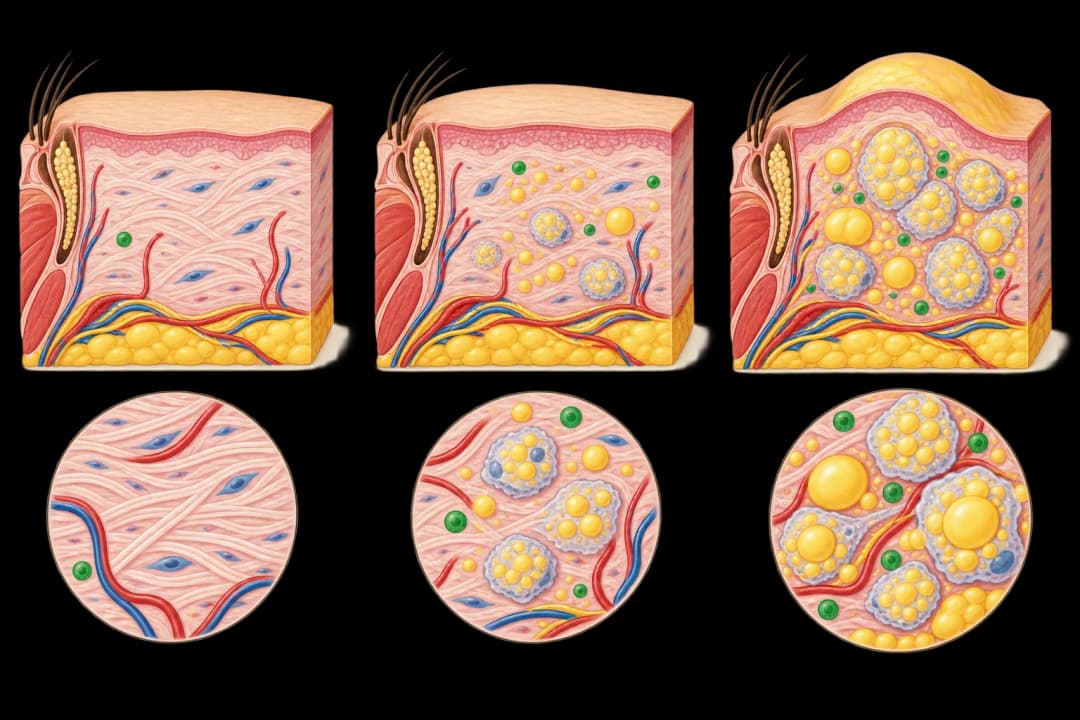
Xanthelasma is a yellowish cholesterol-containing deposit that commonly appears near the eyelids. A CO2 laser removes very precise layers of surface tissue so the treated area can heal with a flatter, less visible appearance. The method is generally considered when a clinician has examined the lesion, its depth, and its position near delicate eyelid structures.
Laser treatment does not correct an underlying tendency for deposits to form, so xanthelasma can return. A diagnosis matters because not every eyelid lump or patch is xanthelasma, and a different lesion may need another approach.
How to prepare and decide
Arrange an assessment with a dermatologist or clinician experienced in eyelid-area procedures. Ask whether the appearance is typical, whether testing is needed, and whether options such as surgical removal, chemical treatment, or observation fit your lesion better.
Before treatment, share your medicines, history of poor wound healing, tendency to raised scars, eye conditions, and any previous procedure in the area. Follow the aftercare plan closely; redness, crusting, swelling, and temporary colour change can occur while the skin repairs.
When to seek care promptly
Seek prompt medical advice if an eyelid lesion grows quickly, bleeds, ulcerates, changes in colour, affects vision, or becomes painful. After treatment, contact the treating clinic for worsening pain, spreading redness, pus, marked swelling, or any change in vision.
Questions for your doctor
Ask how the diagnosis was confirmed, why laser is suitable for your lesion, what alternative treatments involve, how close treatment will be to the eye, what healing changes to expect, and how recurrence will be monitored.
Find care
General Clinics & Polyclinics in Abu Dhabi
That answer is general. If you want it applied to your own case, these are licensed general clinics & polyclinics listed in Abu Dhabi.
27 Ar Ruwwad St - Shakhbout City - MSH4 - Abu Dhabi - United Arab Emirates
Accepts: Daman, Thiqa, Cigna, MetLife +20 more
Al Ruwais, Al Dhafrah
Accepts: Daman, Thiqa, AXA, Cigna +16 more
Al Bahyah - Al Bahyah Old - Abu Dhabi - United Arab Emirates
Accepts: Daman, Thiqa, Cigna, Allianz Care +18 more
Abu Dhabi
Accepts: Daman, Thiqa, AXA, Cigna +27 more
Ordered by verification status and how complete each clinic's public record is, then alphabetically. This is a directory listing, not a ranking — Zavis does not rate or recommend providers.
A factual listing drawn from the DHA, DOH and MOHAP licence registers. It is not a referral, an endorsement, or advice that any of these providers is right for you.
Questions people ask
Is every xanthelasma lesion suitable for CO2 laser resurfacing?
No. Suitability depends on the diagnosis, size, depth, position, skin characteristics, and the clinician’s experience with treatment near the eyelids.
Can xanthelasma come back after laser treatment?
Yes. Removal treats the visible deposit but does not remove the tendency for new deposits or recurrence.
Related
Related reading
Keep reading
Medical disclaimer. This page is general health information, not medical advice, and it cannot diagnose you. Always consult a licensed healthcare provider about your own symptoms and treatment. In an emergency in the UAE, call 998 for an ambulance.