
When are antibiotics recommended for endometritis?
Short answer
Antibiotic treatment is recommended when endometritis is suspected or diagnosed, particularly with fever, pelvic pain, uterine tenderness, or abnormal discharge after childbirth or a procedure.
This answers one question. It is not a diagnosis and does not replace an assessment by a licensed doctor.
At a glance
- Possible setting
- Treatment may be given at home or in hospital depending on severity
- Relevant history
- Tell the clinician about recent birth, pregnancy loss, or uterine procedures
What endometritis involves
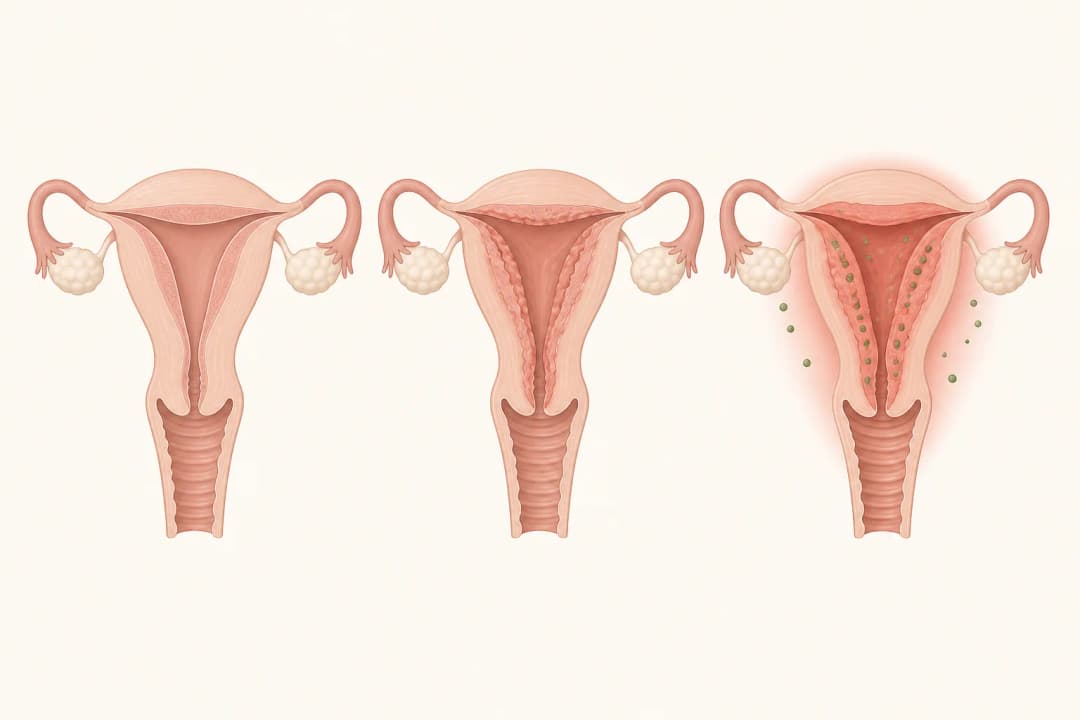
Endometritis is inflammation and infection of the lining of the womb. It can occur after delivery, miscarriage, termination, or a procedure involving the uterus. A clinician may consider your symptoms, recent events, examination findings, and test results. Because infection can spread beyond the womb, treatment may begin when the clinical picture is concerning rather than waiting for every test result. The chosen antibiotic plan depends on the suspected bacteria, allergies, pregnancy or breastfeeding, and how ill you feel.
Steps after assessment
Arrange a medical assessment if you have pelvic pain, fever, unusual-smelling discharge, or bleeding that concerns you after a pregnancy or uterine procedure. Take prescribed medicine on schedule and complete the course unless the prescriber changes it. Rest, drink fluids if you can, and avoid inserting anything into the vagina until a clinician advises that it is safe. Mention any worsening symptoms or medicine reaction immediately.
Warning signs needing urgent care
Go to urgent care for severe pelvic or abdominal pain, heavy bleeding, faintness, confusion, repeated vomiting, shaking chills, difficulty breathing, or a rapidly worsening fever. Feeling markedly weak after childbirth or a uterine procedure also warrants immediate assessment, because a womb infection can become a serious whole-body illness.
Questions to bring
Ask what supports the diagnosis, whether tests are needed, when symptoms should start easing, whether follow-up is required, and what to do if you cannot keep the medicine down.
Find care
General Clinics & Polyclinics in Abu Dhabi
That answer is general. If you want it applied to your own case, these are licensed general clinics & polyclinics listed in Abu Dhabi.
27 Ar Ruwwad St - Shakhbout City - MSH4 - Abu Dhabi - United Arab Emirates
Accepts: Daman, Thiqa, Cigna, MetLife +20 more
Al Ruwais, Al Dhafrah
Accepts: Daman, Thiqa, AXA, Cigna +16 more
Al Bahyah - Al Bahyah Old - Abu Dhabi - United Arab Emirates
Accepts: Daman, Thiqa, Cigna, Allianz Care +18 more
Abu Dhabi
Accepts: Daman, Thiqa, AXA, Cigna +27 more
Ordered by verification status and how complete each clinic's public record is, then alphabetically. This is a directory listing, not a ranking — Zavis does not rate or recommend providers.
A factual listing drawn from the DHA, DOH and MOHAP licence registers. It is not a referral, an endorsement, or advice that any of these providers is right for you.
Questions people ask
Can endometritis be treated without antibiotics?
When infection is suspected, antibiotics are generally used because untreated infection can spread. A clinician decides the plan after assessment.
What if I feel worse after starting treatment?
Contact the prescriber urgently or seek emergency care, especially for worsening pain, fever, faintness, confusion, or breathing difficulty.
Related
Related reading
Keep reading
Medical disclaimer. This page is general health information, not medical advice, and it cannot diagnose you. Always consult a licensed healthcare provider about your own symptoms and treatment. In an emergency in the UAE, call 998 for an ambulance.