
What to know about diabetic foot ulcer in people with diabetes
Short answer
A diabetic foot ulcer is an open sore on the foot that may heal slowly when diabetes affects sensation or circulation, so daily checks and early professional care matter.
This answers one question. It is not a diagnosis and does not replace an assessment by a licensed doctor.
At a glance
- Check daily
- Look between toes and at the soles
- Do not wait
- Any break in diabetic foot skin needs advice
- Protect healing
- Reduce pressure on a damaged area
What a diabetic foot ulcer means
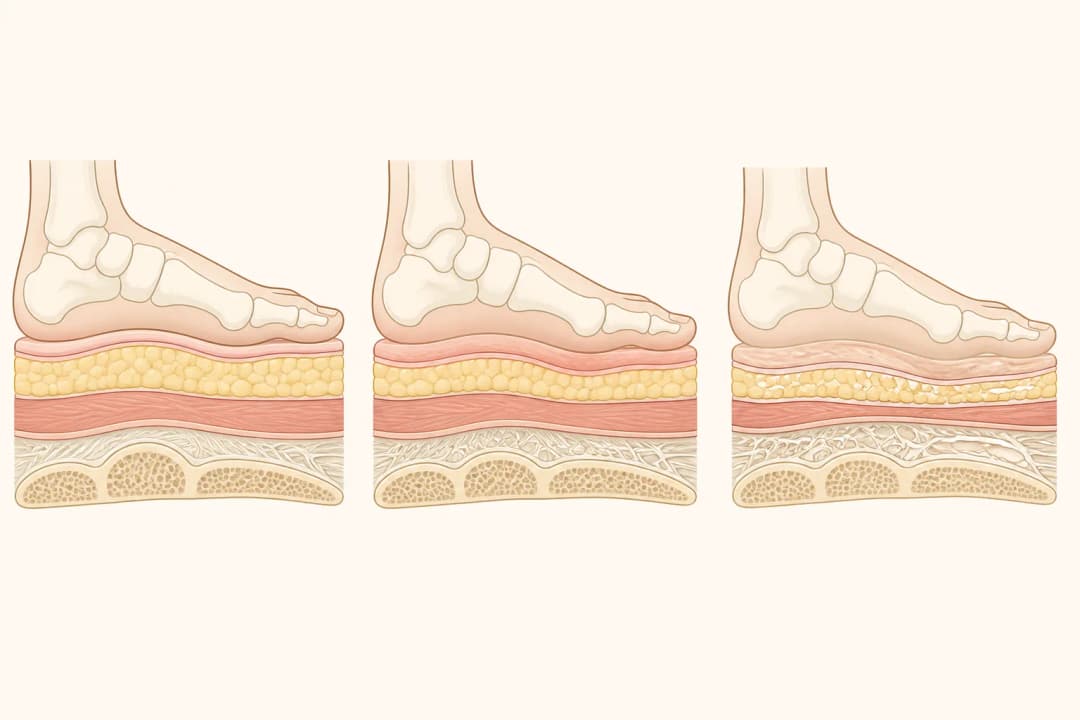
An ulcer can begin with a blister, cut, crack, burn, pressure spot, or area of thick skin. Nerve damage may reduce pain or temperature sensation, while reduced blood flow can limit healing. Look for broken skin, redness, swelling, warmth, drainage, odour, a colour change, or a new area of pressure. A foot can be seriously injured even when it does not hurt, so appearance and change from usual are important.
How to protect the foot
Inspect both feet every day, including between the toes and the soles, using a mirror or another person when needed. Wash gently, dry carefully, moisturise dry skin without putting cream between the toes, and wear well-fitting footwear and clean socks. Do not walk barefoot or cut corns and calluses yourself. Keep blood glucose within the range agreed with your care team, and arrange assessment for any break in the skin rather than covering it and waiting.
When to seek care
Contact a clinician promptly for any new ulcer, blister, wound, spreading redness, swelling, warmth, drainage, or blackened skin. Seek emergency help for fever, severe illness, rapidly worsening redness, confusion, or a foot that becomes suddenly cold, pale, blue, or very painful. Avoid putting weight on a painful or damaged area until you receive advice.
Questions for your doctor
Ask how often your feet should be examined, whether you have reduced sensation or circulation, and which footwear is suitable. Discuss wound dressings, pressure relief, glucose targets, podiatry support, and the exact symptoms that should prompt same-day or emergency care.
Find care
General Clinics & Polyclinics in Abu Dhabi
That answer is general. If you want it applied to your own case, these are licensed general clinics & polyclinics listed in Abu Dhabi.
27 Ar Ruwwad St - Shakhbout City - MSH4 - Abu Dhabi - United Arab Emirates
Accepts: Daman, Thiqa, Cigna, MetLife +20 more
Al Ruwais, Al Dhafrah
Accepts: Daman, Thiqa, AXA, Cigna +16 more
Al Bahyah - Al Bahyah Old - Abu Dhabi - United Arab Emirates
Accepts: Daman, Thiqa, Cigna, Allianz Care +18 more
Abu Dhabi
Accepts: Daman, Thiqa, AXA, Cigna +27 more
Ordered by verification status and how complete each clinic's public record is, then alphabetically. This is a directory listing, not a ranking — Zavis does not rate or recommend providers.
A factual listing drawn from the DHA, DOH and MOHAP licence registers. It is not a referral, an endorsement, or advice that any of these providers is right for you.
Questions people ask
Can a diabetic foot ulcer hurt?
It may hurt, but nerve damage can reduce sensation, so a serious wound may have little or no pain.
Can I treat a foot wound at home?
Clean, protect, and arrange professional advice promptly; do not cut surrounding calluses or rely on home treatment alone.
Medical disclaimer. This page is general health information, not medical advice, and it cannot diagnose you. Always consult a licensed healthcare provider about your own symptoms and treatment. In an emergency in the UAE, call 998 for an ambulance.