
What to Expect from Vitamin D Supplementation for Osteopenia
Short answer
Expect vitamin D supplementation for osteopenia to support calcium absorption and bone maintenance, with the dose guided by your health history and sometimes blood tests.
This answers one question. It is not a diagnosis and does not replace an assessment by a licensed doctor.
At a glance
- Main role
- Supports calcium absorption and bone maintenance
- Dose choice
- Depends on health history and sometimes blood results
- Time frame
- Bone-health changes are gradual
Why vitamin D may be recommended
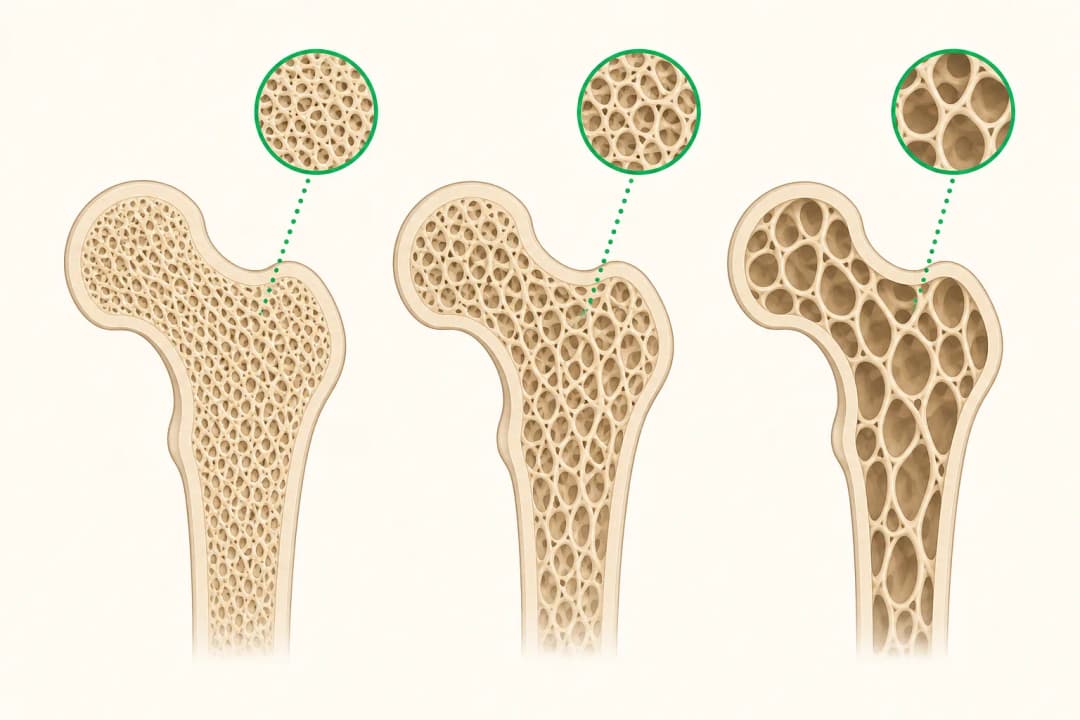
Vitamin D helps the body absorb calcium, which is needed for normal bone maintenance and muscle function. Osteopenia describes lower-than-expected bone density and may not cause symptoms, so a supplement is one part of a wider plan rather than a treatment for pain itself.
Your clinician may review diet, sunlight exposure, kidney or liver problems, digestive conditions, medicines, and previous vitamin D results. The product may be a tablet, capsule, or liquid. Different products have different strengths, so do not assume that two labels can be combined safely.
Using supplements safely
Take the prescribed or labelled amount and keep a record of other products that contain vitamin D or calcium. Do not increase the dose because you feel no immediate change; bone health changes gradually and may be followed with clinical review or testing.
Support the plan with calcium-containing foods when suitable, resistance or weight-bearing activity approved for you, and fall-prevention habits. Ask before using supplements if you have kidney stones, kidney disease, high calcium, sarcoidosis, or take medicines that affect calcium balance.
When to seek care
Stop self-directed extra dosing and contact a clinician if you develop persistent nausea, vomiting, constipation, unusual thirst, frequent urination, marked weakness, or confusion. These symptoms can have many causes, but they need assessment when they appear after a change in supplementation.
Questions for your doctor
Ask whether you need a vitamin D test, which product and dose are appropriate, when to review the plan, and whether calcium intake should change. Also ask how your bone density, fracture risk, activity plan, and other treatment options will be monitored.
Find care
General Clinics & Polyclinics in Abu Dhabi
That answer is general. If you want it applied to your own case, these are licensed general clinics & polyclinics listed in Abu Dhabi.
27 Ar Ruwwad St - Shakhbout City - MSH4 - Abu Dhabi - United Arab Emirates
Accepts: Daman, Thiqa, Cigna, MetLife +20 more
Al Ruwais, Al Dhafrah
Accepts: Daman, Thiqa, AXA, Cigna +16 more
Al Bahyah - Al Bahyah Old - Abu Dhabi - United Arab Emirates
Accepts: Daman, Thiqa, Cigna, Allianz Care +18 more
Abu Dhabi
Accepts: Daman, Thiqa, AXA, Cigna +27 more
Ordered by verification status and how complete each clinic's public record is, then alphabetically. This is a directory listing, not a ranking — Zavis does not rate or recommend providers.
A factual listing drawn from the DHA, DOH and MOHAP licence registers. It is not a referral, an endorsement, or advice that any of these providers is right for you.
Questions people ask
Will vitamin D reverse osteopenia by itself?
Not necessarily. It supports bone biology, but osteopenia care may also involve nutrition, activity, fall prevention, monitoring, and other treatment decisions.
Can I combine several vitamin D products?
Check with a clinician or pharmacist first because different medicines and supplements may contain vitamin D or affect calcium balance.
Related
Related reading
Keep reading
Medical disclaimer. This page is general health information, not medical advice, and it cannot diagnose you. Always consult a licensed healthcare provider about your own symptoms and treatment. In an emergency in the UAE, call 998 for an ambulance.