
What to expect from surgical management of miscarriage for molar pregnancy
Short answer
Expect surgical removal of abnormal pregnancy tissue, laboratory follow-up of pregnancy hormone levels, and clear guidance about recovery and future pregnancy planning.
This answers one question. It is not a diagnosis and does not replace an assessment by a licensed doctor.
At a glance
- Main treatment
- Suction surgery removes abnormal tissue from the uterus.
- Follow-up
- hCG monitoring checks the response after treatment.
Why surgery is used
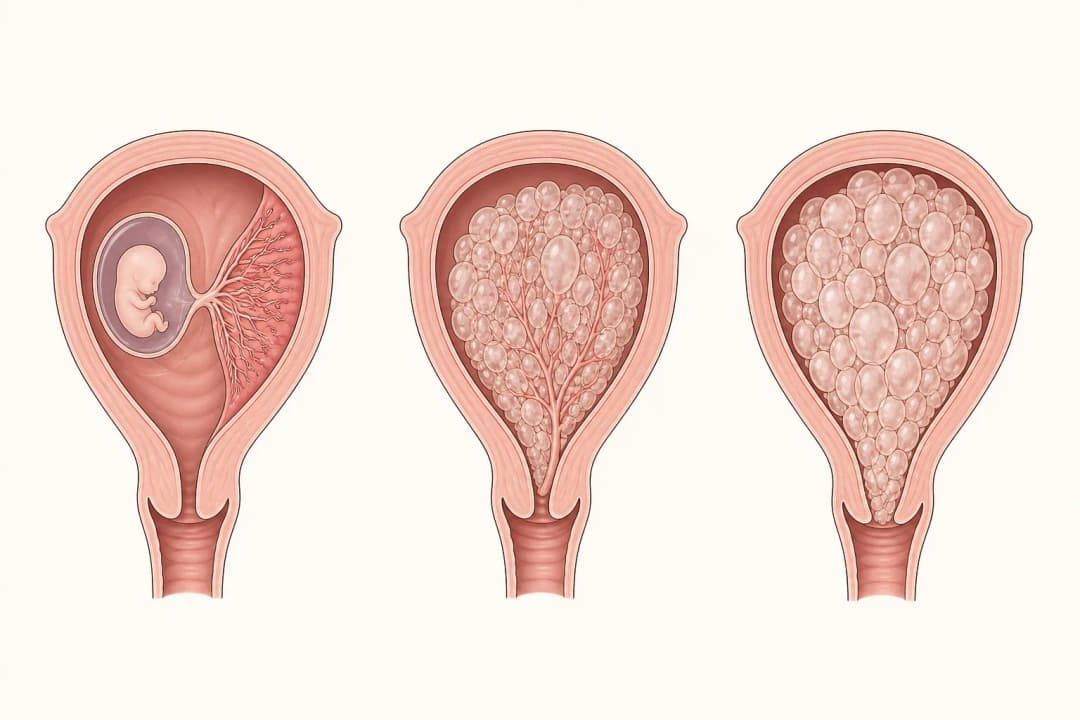
A molar pregnancy contains abnormal placental tissue rather than a normally developing pregnancy. Surgical management removes this tissue from the uterus, commonly with suction under anaesthesia. The tissue is examined, and your care team tracks human chorionic gonadotropin, or hCG, afterward. This monitoring is needed because remaining molar cells can continue to produce hCG and sometimes require specialist treatment. Your clinician will explain the testing schedule and what a falling, stable, or rising result means.
Recovery and follow-up
Before surgery, share your medicines, allergies, blood group information, and any pregnancy symptoms. Arrange transport after anaesthesia. Mild cramping and vaginal bleeding may follow; use pads and follow instructions about sex, swimming, and tampons. Keep every hCG appointment, use reliable contraception if advised, and contact the specialist team before trying to conceive so monitoring is not confused by a new pregnancy.
When to seek care
Seek urgent help for heavy bleeding, severe abdominal pain, fainting, breathlessness, chest pain, or a high fever. Contact the specialist team promptly if bleeding continues, symptoms of pregnancy return, or hCG stops falling or rises. These changes need assessment and do not mean you caused a problem.
Questions for your doctor
Ask how the tissue will be tested, how often hCG will be checked, which contraception is suitable, and what result would lead to additional treatment. Request emotional support if the diagnosis or follow-up feels difficult.
Find care
General Clinics & Polyclinics in Abu Dhabi
That answer is general. If you want it applied to your own case, these are licensed general clinics & polyclinics listed in Abu Dhabi.
27 Ar Ruwwad St - Shakhbout City - MSH4 - Abu Dhabi - United Arab Emirates
Accepts: Daman, Thiqa, Cigna, MetLife +20 more
Al Ruwais, Al Dhafrah
Accepts: Daman, Thiqa, AXA, Cigna +16 more
Al Bahyah - Al Bahyah Old - Abu Dhabi - United Arab Emirates
Accepts: Daman, Thiqa, Cigna, Allianz Care +18 more
Abu Dhabi
Accepts: Daman, Thiqa, AXA, Cigna +27 more
Ordered by verification status and how complete each clinic's public record is, then alphabetically. This is a directory listing, not a ranking — Zavis does not rate or recommend providers.
A factual listing drawn from the DHA, DOH and MOHAP licence registers. It is not a referral, an endorsement, or advice that any of these providers is right for you.
Questions people ask
Why are hCG tests needed after surgery?
hCG monitoring helps identify whether abnormal tissue has been fully cleared or remains active.
When can I try for pregnancy again?
Wait until your specialist confirms monitoring is complete and gives individual advice.
Related
Related reading
Keep reading
Medical disclaimer. This page is general health information, not medical advice, and it cannot diagnose you. Always consult a licensed healthcare provider about your own symptoms and treatment. In an emergency in the UAE, call 998 for an ambulance.