
What to expect from shockwave therapy for rotator cuff tendinitis
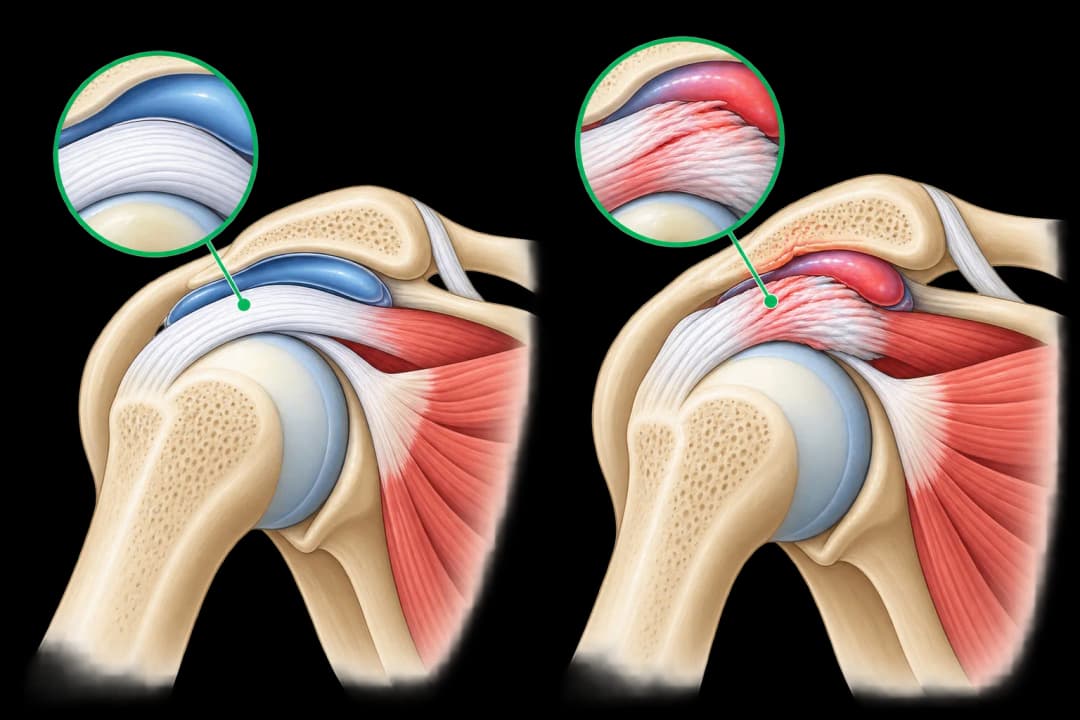
Short answer
Expect a focused shoulder assessment, gel applied to the skin, pressure waves over the painful tendon, and a gradual rehabilitation plan afterward.
This answers one question. It is not a diagnosis and does not replace an assessment by a licensed doctor.
At a glance
- Treatment area
- The painful rotator-cuff tendon around the shoulder
- After a session
- Mild tenderness can occur; follow the individual exercise plan
What the appointment involves
The clinician checks shoulder movement, strength and the tender area before choosing the treatment point. A handheld applicator delivers sound-energy pulses through gel on the skin. You may feel tapping, pressure or brief sharp sensations, and the intensity can be adjusted to keep the session tolerable. Shockwave therapy is intended to support tendon recovery; it does not remove every cause of shoulder pain by itself.
The shoulder may feel tender, warm or mildly bruised afterward. Improvement is often gradual rather than immediate, so progress is judged by movement, sleep and daily tasks as well as pain.
How to prepare and recover
Wear clothing that allows easy access to the shoulder and tell the clinician about medicines, bleeding problems, numbness, infection or a recent injection. Follow the advised activity limits after treatment; avoid suddenly testing the shoulder with heavy lifting or overhead work. Gentle prescribed exercises help restore rotator-cuff and shoulder-blade control, while pacing chores can prevent a flare.
Use only pain relief that your treating clinician considers suitable, because some medicines may not fit the treatment plan. Keep follow-up appointments so the response and exercise programme can be reviewed.
When to contact a clinician
Contact the treating service if pain is severe, keeps worsening, or the skin becomes increasingly red, hot or swollen. Seek urgent care for new chest pain, breathlessness, sudden major weakness, a visibly deformed shoulder, or an arm that becomes cold, pale or numb.
Useful questions to ask
Ask which tendon is being treated, what improvement will be measured, which activities to pause, and when strengthening should begin. Ask whether your medicines or other shoulder conditions change the plan.
Find care
General Clinics & Polyclinics in Abu Dhabi
That answer is general. If you want it applied to your own case, these are licensed general clinics & polyclinics listed in Abu Dhabi.
27 Ar Ruwwad St - Shakhbout City - MSH4 - Abu Dhabi - United Arab Emirates
Accepts: Daman, Thiqa, Cigna, MetLife +20 more
Al Ruwais, Al Dhafrah
Accepts: Daman, Thiqa, AXA, Cigna +16 more
Al Bahyah - Al Bahyah Old - Abu Dhabi - United Arab Emirates
Accepts: Daman, Thiqa, Cigna, Allianz Care +18 more
Abu Dhabi
Accepts: Daman, Thiqa, AXA, Cigna +27 more
Ordered by verification status and how complete each clinic's public record is, then alphabetically. This is a directory listing, not a ranking — Zavis does not rate or recommend providers.
A factual listing drawn from the DHA, DOH and MOHAP licence registers. It is not a referral, an endorsement, or advice that any of these providers is right for you.
Questions people ask
Will shockwave therapy fix the tendon in one visit?
A single visit is not a reliable way to judge tendon recovery. The clinician usually reviews symptoms and function over time alongside rehabilitation.
Can you drive after treatment?
Ask your provider before driving, especially if shoulder discomfort limits steering or you received another treatment at the same appointment.
Related
Related reading
Keep reading
Medical disclaimer. This page is general health information, not medical advice, and it cannot diagnose you. Always consult a licensed healthcare provider about your own symptoms and treatment. In an emergency in the UAE, call 998 for an ambulance.