
What to expect from physiotherapy for rotator cuff tendinitis
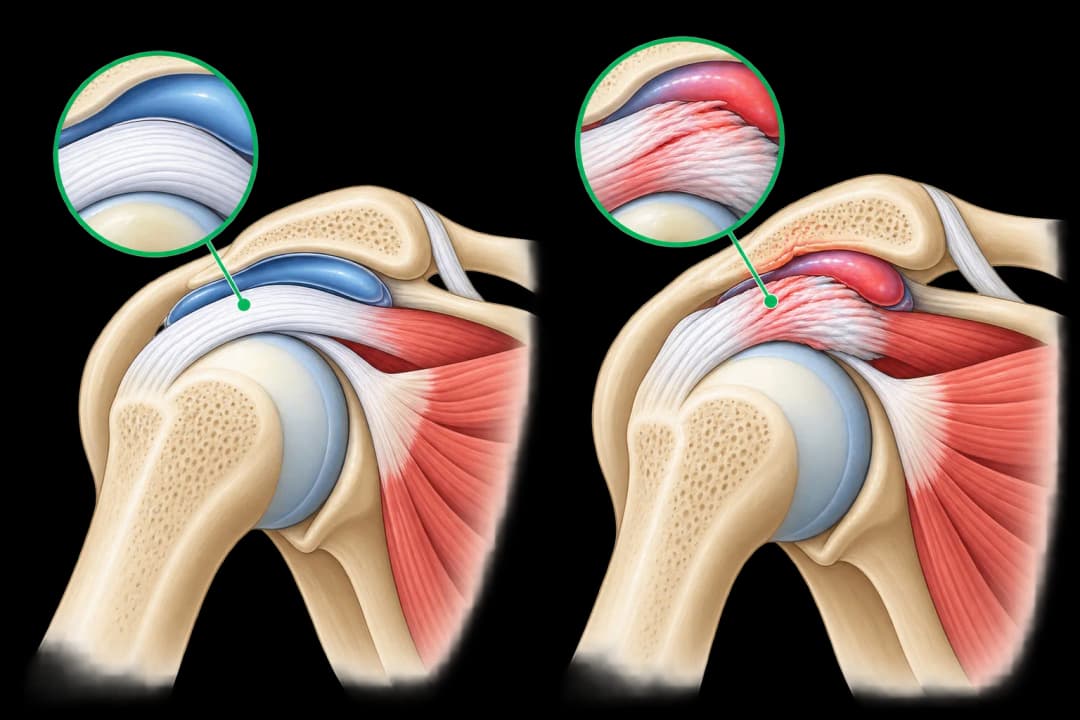
Short answer
Physiotherapy for rotator cuff tendinitis usually uses activity modification, mobility work, progressive strengthening and advice for returning to normal use.
This answers one question. It is not a diagnosis and does not replace an assessment by a licensed doctor.
At a glance
- Main aim
- Build comfortable shoulder capacity
- Typical approach
- Modify aggravating load, then strengthen gradually
What treatment may involve
The assessment may look at painful movements, shoulder range, muscle strength, posture and tasks such as reaching overhead. Treatment often starts by reducing repeated or sustained positions that aggravate the tendon without stopping all shoulder movement. Your therapist may then introduce controlled exercises for the rotator cuff and shoulder blade, progressing resistance as tolerance improves. The programme is shaped around work, sleep, exercise and other daily demands.
What you can do between visits
Use the home plan consistently and follow the suggested effort rather than adding resistance quickly. Break up repetitive overhead work, keep frequently used items within an easier reach, and ask how to modify sport or gym exercises. A little post-exercise awareness may be expected, but symptoms should guide the pace. Report night pain, increasing stiffness or reduced function so the programme can be reviewed.
When to seek care
Seek medical assessment for sudden loss of strength, inability to lift the arm, a new injury, pronounced swelling, fever, or a hot and red shoulder. Urgent care is needed for chest symptoms, breathing difficulty, or neurological changes. If steady rehabilitation brings no functional improvement or pain keeps worsening, arrange follow-up with the treating clinician.
Questions for your doctor
Ask what movements are irritating the tendon, which activities can continue, and how exercise discomfort should be judged. Discuss whether another shoulder problem needs consideration and what improvement would justify progressing your programme.
Find care
General Clinics & Polyclinics in Abu Dhabi
That answer is general. If you want it applied to your own case, these are licensed general clinics & polyclinics listed in Abu Dhabi.
27 Ar Ruwwad St - Shakhbout City - MSH4 - Abu Dhabi - United Arab Emirates
Accepts: Daman, Thiqa, Cigna, MetLife +20 more
Al Ruwais, Al Dhafrah
Accepts: Daman, Thiqa, AXA, Cigna +16 more
Al Bahyah - Al Bahyah Old - Abu Dhabi - United Arab Emirates
Accepts: Daman, Thiqa, Cigna, Allianz Care +18 more
Abu Dhabi
Accepts: Daman, Thiqa, AXA, Cigna +27 more
Ordered by verification status and how complete each clinic's public record is, then alphabetically. This is a directory listing, not a ranking — Zavis does not rate or recommend providers.
A factual listing drawn from the DHA, DOH and MOHAP licence registers. It is not a referral, an endorsement, or advice that any of these providers is right for you.
Questions people ask
Should I stop using my shoulder?
Usually, complete rest is not the goal; your therapist can identify safer ways to keep moving while reducing aggravating load.
How does physiotherapy help tendinitis?
It can improve shoulder mechanics and the tendon’s tolerance for everyday and overhead demands through graded loading.
Related
Related reading
Keep reading
Medical disclaimer. This page is general health information, not medical advice, and it cannot diagnose you. Always consult a licensed healthcare provider about your own symptoms and treatment. In an emergency in the UAE, call 998 for an ambulance.