
What to expect from pelvic floor physiotherapy for interstitial cystitis
Short answer
Pelvic floor physiotherapy for interstitial cystitis usually begins with a gentle assessment and focuses on relaxing overactive muscles, easing pain and improving bladder comfort.
This answers one question. It is not a diagnosis and does not replace an assessment by a licensed doctor.
At a glance
- Main focus
- Pelvic muscle relaxation and pain management
- Consent
- You can discuss or decline an internal examination
- Home practice
- Breathing, gentle release and tailored movement
What the appointment may involve
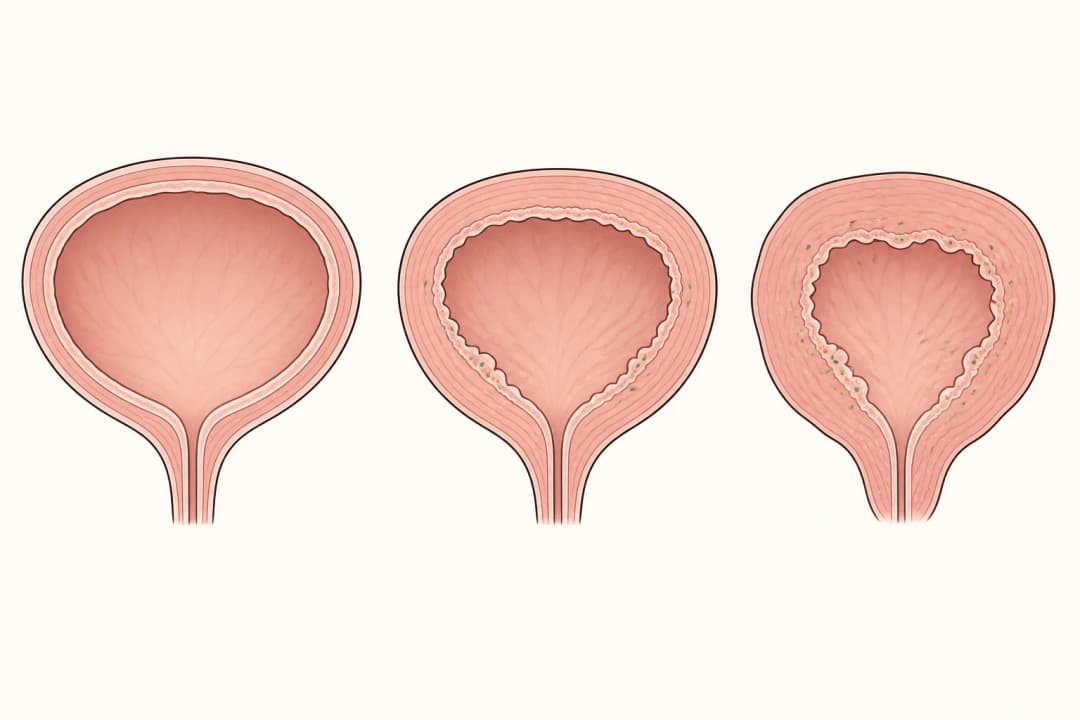
Interstitial cystitis, also called bladder pain syndrome, can occur alongside tenderness or excess tension in the muscles around the bladder, vagina and bowel. A physiotherapist may ask about pain, urinary urgency, frequency, bowel habits, sexual discomfort and activities that trigger symptoms.
The examination is explained before it begins. It may include observing posture, breathing and movement, checking the abdomen or hips, and—only with your consent—an internal assessment of pelvic muscle tone. The aim is to find muscles that stay contracted or are difficult to release, not to force a painful contraction.
How to prepare and practise
Wear clothing that allows comfortable movement and bring a record of bladder symptoms if you have one. Treatment may include breathing with a relaxed pelvic floor, gentle manual work, stretches for the hips and lower abdomen, pacing strategies and guidance for comfortable bladder habits.
You may receive a home programme. For interstitial cystitis, it may emphasise letting go rather than repeatedly tightening the pelvic floor. Practise only at the level advised, and report a flare so the plan can be adjusted.
When to pause and seek medical care
Contact your clinician if pain becomes sharply worse, new urinary symptoms appear, or treatment repeatedly triggers a prolonged flare. Seek urgent care for inability to pass urine, fever with feeling very unwell, severe back or side pain, or visible blood in the urine. Physiotherapy supports symptom management but does not replace assessment for infection or another bladder problem.
Questions to ask
Ask whether pelvic muscle tension could be contributing to your symptoms, whether an internal examination is appropriate for you, and how to distinguish a treatment flare from a sign that needs medical review.
Find care
General Clinics & Polyclinics in Abu Dhabi
That answer is general. If you want it applied to your own case, these are licensed general clinics & polyclinics listed in Abu Dhabi.
27 Ar Ruwwad St - Shakhbout City - MSH4 - Abu Dhabi - United Arab Emirates
Accepts: Daman, Thiqa, Cigna, MetLife +20 more
Al Ruwais, Al Dhafrah
Accepts: Daman, Thiqa, AXA, Cigna +16 more
Al Bahyah - Al Bahyah Old - Abu Dhabi - United Arab Emirates
Accepts: Daman, Thiqa, Cigna, Allianz Care +18 more
Abu Dhabi
Accepts: Daman, Thiqa, AXA, Cigna +27 more
Ordered by verification status and how complete each clinic's public record is, then alphabetically. This is a directory listing, not a ranking — Zavis does not rate or recommend providers.
A factual listing drawn from the DHA, DOH and MOHAP licence registers. It is not a referral, an endorsement, or advice that any of these providers is right for you.
Questions people ask
Will pelvic floor physiotherapy cure interstitial cystitis?
It is intended to reduce muscle-related pain and improve function; your wider bladder care plan may include other medical approaches.
Are internal techniques always needed?
No. The physiotherapist can begin with external assessment, education, breathing and movement, then discuss options that fit your comfort and consent.
Related
Related reading
Keep reading
Medical disclaimer. This page is general health information, not medical advice, and it cannot diagnose you. Always consult a licensed healthcare provider about your own symptoms and treatment. In an emergency in the UAE, call 998 for an ambulance.