
What to expect from palliative care for metastatic cancer
Short answer
Palliative care for metastatic cancer provides tailored help with symptoms, treatment decisions, emotional strain and everyday practical needs.
This answers one question. It is not a diagnosis and does not replace an assessment by a licensed doctor.
At a glance
- Scope
- Support follows symptoms and goals
- Timing
- May begin alongside cancer treatment
- Planning
- A written plan can align different teams
What to expect from the team
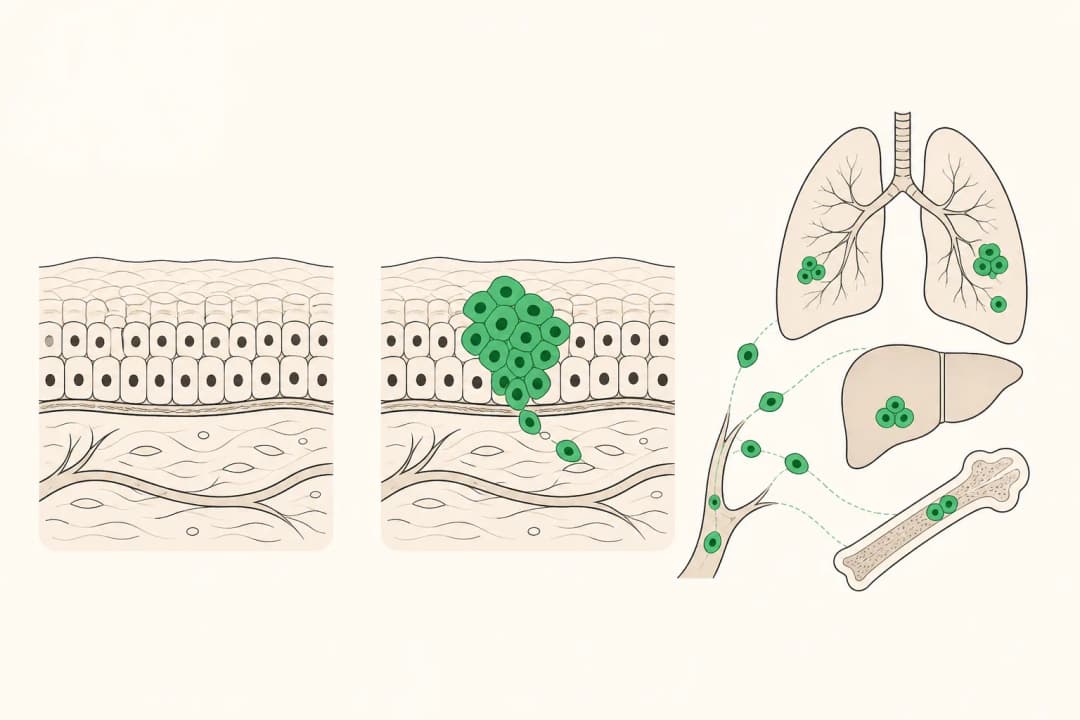
Metastatic cancer means cancer has spread from where it began to another part of the body. Symptoms and treatment effects vary with the areas involved. A palliative team may assess pain, tiredness, nausea, appetite, sleep, breathlessness, mood, family stress and concerns about independence. It can recommend symptom medicines, rehabilitation, nutrition support, counselling, equipment or community services. The team can explain choices and help you state what you want care to achieve, such as more time at home, easier movement or clearer communication with family.
This support does not require you to stop cancer treatment. It can be introduced early, revisited as circumstances change and coordinated with oncology, primary care and other specialists.
Steps that can help
Write down changes in symptoms, your energy across the day and any medicine effects. Share your preferred language, cultural or spiritual needs, and who should receive updates. Ask for help with transport, meals, bathing, work or caring duties when these become difficult. Keep the agreed contact details where family members can find them. A written care plan can prevent confusion when different teams are involved.
When symptoms need urgent review
Contact your team quickly if a symptom is new, escalating or stopping you from drinking, walking, sleeping or communicating. Seek emergency help for severe trouble breathing, sudden confusion, a seizure, collapse, new one-sided weakness, or inability to pass urine. Do not wait for a routine appointment when a serious change appears.
Questions worth asking
What is the priority symptom today? Which team coordinates my care? What changes should trigger a call? Who can help my caregiver? How will we review my goals if treatment changes?
Questions people ask
Can I receive palliative care at home?
Depending on local services and your needs, support may be available through home visits, telephone advice or clinic appointments.
What if I am unsure about a treatment decision?
The palliative team can help clarify the expected effects, connect them with your priorities and prepare questions for your oncology team.
Keep reading
Cancer care in the UAE
Hospitals & Medical Centers in Abu Dhabi
Most UAE cancer care is delivered inside hospital services rather than by standalone oncology clinics, so these are licensed hospitals & medical centers listed in Abu Dhabi. Confirm the specific cancer service exists before you travel, and know that asking for a second opinion is routine.
Ahalia Hospital Musaffah Building - Musaffah - Musaffah Industrial - Abu Dhabi - United Arab Emirates
Accepts: Daman, Thiqa, AXA, Cigna +26 more
Al Ruwais Industrial City - Abu Dhabi - United Arab Emirates
Accepts: Daman, Thiqa, AXA, Cigna +30 more
Abu Dhabi, Abu Dhabi
Accepts: Daman, Thiqa, AXA, Cigna +30 more
Second opinions are routine in cancer care and asking for one does not affect your treatment. How to arrange a second opinion in the UAE.
Ordered by verification status and how complete each clinic's public record is, then alphabetically. This is a directory listing, not a ranking — Zavis does not rate or recommend providers.
A factual listing drawn from the DHA, DOH and MOHAP licence registers. It is not a referral, an endorsement, or advice that any of these providers is right for you.
Medical disclaimer. This page is general health information, not medical advice, and it cannot diagnose you. Always consult a licensed healthcare provider about your own symptoms and treatment. In an emergency in the UAE, call 998 for an ambulance.