
What to expect from operative hysteroscopy for recurrent miscarriage
Short answer
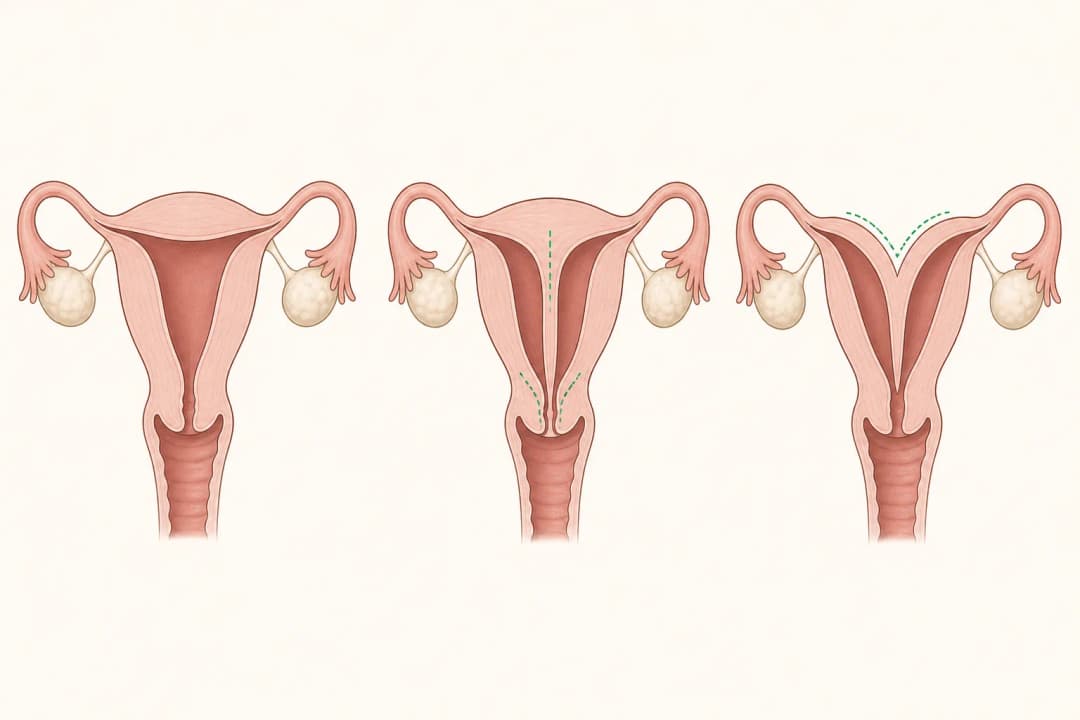
Operative hysteroscopy examines the inside of the uterus and can treat selected cavity problems that may contribute to recurrent miscarriage.
This answers one question. It is not a diagnosis and does not replace an assessment by a licensed doctor.
At a glance
- What it views
- The uterine cavity and its lining
- Possible treatment
- Selected polyps, fibroids, septum, or adhesions
- Next step
- Follow-up links findings with the wider assessment
Why it may be offered
A camera passes through the vagina and cervix so the clinician can see the uterine cavity directly. If a polyp, a cavity-distorting fibroid, a septum, or scar tissue is found, instruments may be used during the same procedure when appropriate.
Recurrent miscarriage can have several possible explanations, and hysteroscopy cannot identify or correct every one. The procedure focuses on the shape and lining of the uterine cavity, while other investigations may assess chromosomes, hormones, clotting, or general health.
Before and after the procedure
Ask how to manage regular medicines, when to stop eating and drinking, and whether you need someone to accompany you home. Afterward, cramping and light bleeding may occur. Rest according to the anaesthesia instructions and use the recommended pain relief.
Your clinician may send tissue for assessment if something is removed. Wait for the follow-up discussion before making pregnancy plans, because healing time and any additional treatment depend on what was seen and done.
When to get medical help
Seek urgent care for heavy bleeding, severe pelvic pain, fainting, breathing problems, or a fever with marked weakness. Call your clinic about worsening pain, persistent fever, or discharge with an unpleasant smell, particularly if these appear after initial improvement.
Questions for your doctor
Ask what cavity finding is being investigated, whether treatment is likely during the same procedure, and what alternatives exist. Ask when results will be reviewed and how the findings fit with the rest of your recurrent miscarriage assessment.
Find care
General Clinics & Polyclinics in Abu Dhabi
That answer is general. If you want it applied to your own case, these are licensed general clinics & polyclinics listed in Abu Dhabi.
27 Ar Ruwwad St - Shakhbout City - MSH4 - Abu Dhabi - United Arab Emirates
Accepts: Daman, Thiqa, Cigna, MetLife +20 more
Al Ruwais, Al Dhafrah
Accepts: Daman, Thiqa, AXA, Cigna +16 more
Al Bahyah - Al Bahyah Old - Abu Dhabi - United Arab Emirates
Accepts: Daman, Thiqa, Cigna, Allianz Care +18 more
Abu Dhabi
Accepts: Daman, Thiqa, AXA, Cigna +27 more
Ordered by verification status and how complete each clinic's public record is, then alphabetically. This is a directory listing, not a ranking — Zavis does not rate or recommend providers.
A factual listing drawn from the DHA, DOH and MOHAP licence registers. It is not a referral, an endorsement, or advice that any of these providers is right for you.
Questions people ask
Will hysteroscopy explain every miscarriage?
No. It assesses the uterine cavity, while recurrent miscarriage may have other causes that require different tests.
Can treatment happen during the examination?
Sometimes. Suitable findings may be treated during the same procedure, depending on the plan and clinical assessment.
Keep reading
Medical disclaimer. This page is general health information, not medical advice, and it cannot diagnose you. Always consult a licensed healthcare provider about your own symptoms and treatment. In an emergency in the UAE, call 998 for an ambulance.