
What to expect from IV fluid therapy for cholera
Short answer
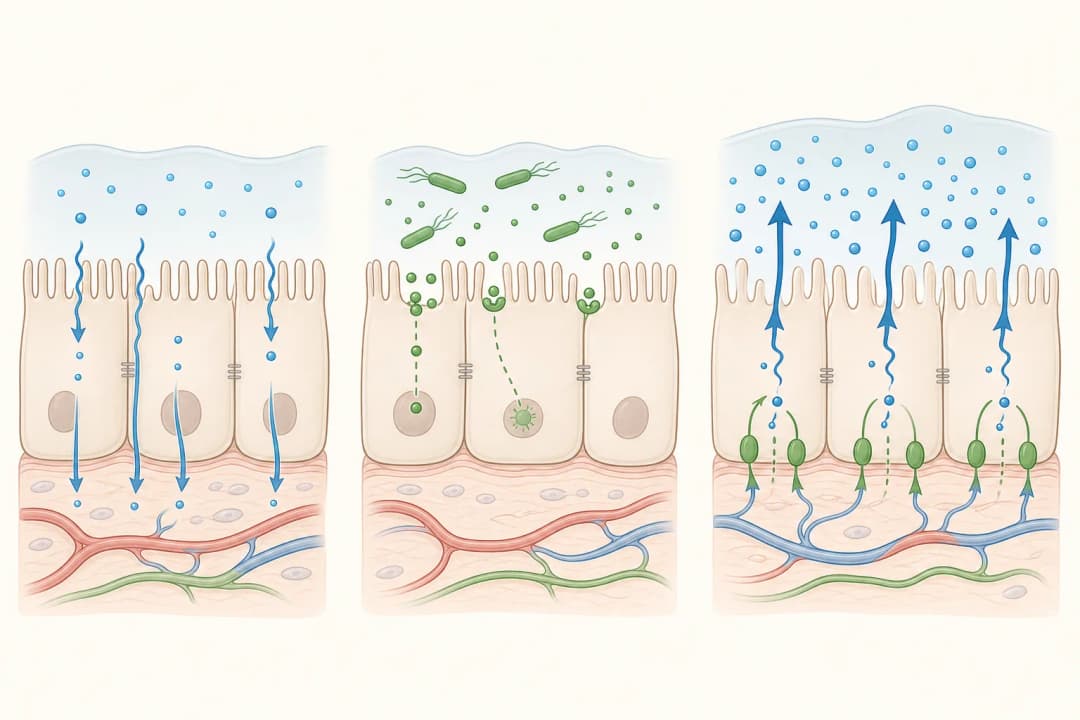
IV fluid therapy for cholera rapidly replaces water and salts lost through diarrhoea and vomiting while clinicians monitor your recovery.
This answers one question. It is not a diagnosis and does not replace an assessment by a licensed doctor.
At a glance
- Main purpose
- Replace water and salts lost through gastrointestinal fluid loss
- Monitoring
- Pulse, blood pressure, alertness, urine, and ongoing losses may be checked
- Next step
- Oral rehydration is used when drinking becomes safe and effective
Why fluids are used
Cholera can cause fast fluid and electrolyte loss. A small tube placed into a vein allows prescribed fluid to enter the bloodstream when drinking is not enough or cannot be managed. Staff may check blood pressure, pulse, alertness, urine output, breathing, and the frequency of diarrhoea or vomiting. Oral rehydration solution is often introduced when you can drink safely; IV treatment does not replace assessment of the infection.
While you are receiving fluids
Tell staff about ongoing vomiting, severe thirst, cramps, reduced urine, or pain and swelling around the cannula. Drink oral rehydration solution when advised, using the preparation provided rather than relying on plain water alone. Wash hands carefully after using the toilet and avoid preparing food for others while unwell. Take any prescribed antimicrobial medicine exactly as directed.
Urgent warning signs
Cholera with severe watery diarrhoea or repeated vomiting needs urgent medical care, especially with fainting, confusion, very little urine, extreme weakness, cold skin, or inability to drink. During treatment, report breathlessness, new swelling, chest discomfort, or a painful leaking cannula at once. These signs may indicate a complication or a need to adjust fluid delivery.
Questions for the care team
Ask how much you should drink, how fluid loss is being measured, when the IV can be reduced, how to prepare oral rehydration solution, and which hygiene steps protect people around you.
Find care
General Clinics & Polyclinics in Abu Dhabi
That answer is general. If you want it applied to your own case, these are licensed general clinics & polyclinics listed in Abu Dhabi.
27 Ar Ruwwad St - Shakhbout City - MSH4 - Abu Dhabi - United Arab Emirates
Accepts: Daman, Thiqa, Cigna, MetLife +20 more
Al Ruwais, Al Dhafrah
Accepts: Daman, Thiqa, AXA, Cigna +16 more
Al Bahyah - Al Bahyah Old - Abu Dhabi - United Arab Emirates
Accepts: Daman, Thiqa, Cigna, Allianz Care +18 more
Abu Dhabi
Accepts: Daman, Thiqa, AXA, Cigna +27 more
Ordered by verification status and how complete each clinic's public record is, then alphabetically. This is a directory listing, not a ranking — Zavis does not rate or recommend providers.
A factual listing drawn from the DHA, DOH and MOHAP licence registers. It is not a referral, an endorsement, or advice that any of these providers is right for you.
Questions people ask
Can I drink while receiving IV fluids?
Often yes, but follow the care team's instructions and use oral rehydration solution when recommended.
Why is urine output monitored?
Urine output helps clinicians judge hydration and whether the body is responding to fluid replacement.
Keep reading
Medical disclaimer. This page is general health information, not medical advice, and it cannot diagnose you. Always consult a licensed healthcare provider about your own symptoms and treatment. In an emergency in the UAE, call 998 for an ambulance.