
What to expect from induction of labour for fetal growth restriction
Short answer
Induction for fetal growth restriction usually involves cervical preparation, medication or breaking the waters, with close monitoring of the baby throughout labour.
This answers one question. It is not a diagnosis and does not replace an assessment by a licensed doctor.
At a glance
- Main reason
- Balancing placental function and the safety of continuing pregnancy
- Monitoring
- Baby’s heart rate and maternal observations are checked regularly or continuously
- Methods
- Cervical preparation, oxytocin or breaking the waters may be discussed
Why induction may be advised
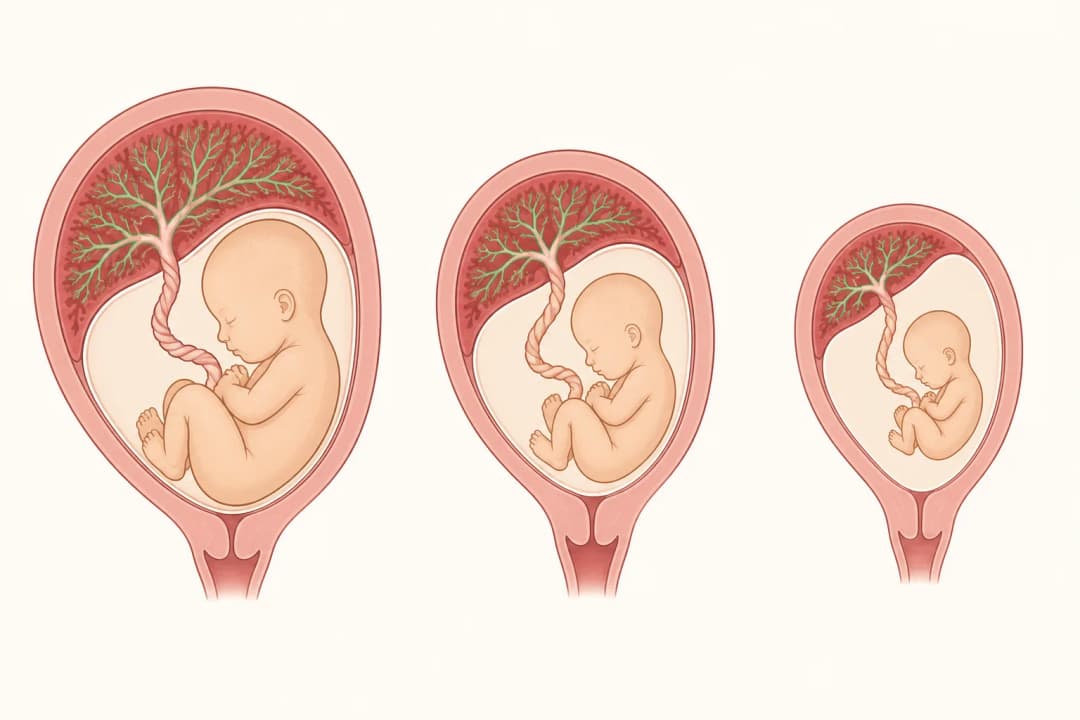
Fetal growth restriction means a baby is smaller than expected or is not growing along its expected pattern. The placenta may not be supplying enough oxygen and nutrients, so your maternity team balances the benefits of continuing pregnancy against the benefits of birth. Ultrasound findings, blood-flow checks, the baby’s movements, your health and the stage of pregnancy all help guide timing.
At hospital, a clinician may examine your cervix and discuss a prostaglandin pessary, tablet or balloon device if it is not ready. Once the cervix is favourable, oxytocin through a drip or rupture of the membranes may start or strengthen contractions. The baby’s heart rate is watched closely because a growth-restricted baby may have less reserve during contractions.
How to prepare
Bring your maternity notes, medicines list and practical items for a hospital stay. Ask how long cervical preparation may take and whether you can eat, drink, walk or use different positions during each stage. Keep noticing your baby’s usual movements while waiting; follow the unit’s instructions about reporting any change. Pain relief options can include breathing support, medicines or an epidural, depending on your assessment and preferences.
When to contact your maternity unit
Contact your maternity unit promptly for reduced or changed fetal movements, vaginal bleeding, leaking fluid, regular painful contractions, severe abdominal pain or feeling suddenly unwell. Call emergency services for heavy bleeding, collapse, severe breathing difficulty or a seizure. Do not wait for the planned induction date if movements have changed.
Questions to ask
Ask what finding led to the recommendation, what monitoring will be used, which induction method is likely first, and what would lead to assisted birth or caesarean birth. You can also ask how your birth preferences fit with continuous monitoring and what support is available after delivery.
Find care
General Clinics & Polyclinics in Abu Dhabi
That answer is general. If you want it applied to your own case, these are licensed general clinics & polyclinics listed in Abu Dhabi.
27 Ar Ruwwad St - Shakhbout City - MSH4 - Abu Dhabi - United Arab Emirates
Accepts: Daman, Thiqa, Cigna, MetLife +20 more
Al Ruwais, Al Dhafrah
Accepts: Daman, Thiqa, AXA, Cigna +16 more
Al Bahyah - Al Bahyah Old - Abu Dhabi - United Arab Emirates
Accepts: Daman, Thiqa, Cigna, Allianz Care +18 more
Abu Dhabi
Accepts: Daman, Thiqa, AXA, Cigna +27 more
Ordered by verification status and how complete each clinic's public record is, then alphabetically. This is a directory listing, not a ranking — Zavis does not rate or recommend providers.
A factual listing drawn from the DHA, DOH and MOHAP licence registers. It is not a referral, an endorsement, or advice that any of these providers is right for you.
Questions people ask
Will induction definitely lead to vaginal birth?
Induction is intended to start labour, but the response varies. Your team will reassess you and the baby and discuss other birth options if needed.
Why is monitoring especially important?
A baby affected by growth restriction may tolerate contractions differently, so heart-rate monitoring helps the team respond to changes promptly.
Related
Related reading
Keep reading
Medical disclaimer. This page is general health information, not medical advice, and it cannot diagnose you. Always consult a licensed healthcare provider about your own symptoms and treatment. In an emergency in the UAE, call 998 for an ambulance.