
What to expect from a GP consultation for mumps
Short answer
A GP consultation for mumps usually includes questions about swelling, fever and exposure, an examination, testing decisions, and advice about staying away from others.
This answers one question. It is not a diagnosis and does not replace an assessment by a licensed doctor.
At a glance
- Assessment
- Symptoms, exposure history and examination
- Cause
- A viral infection
- Before arrival
- Call the clinic if mumps is suspected
What the GP may assess
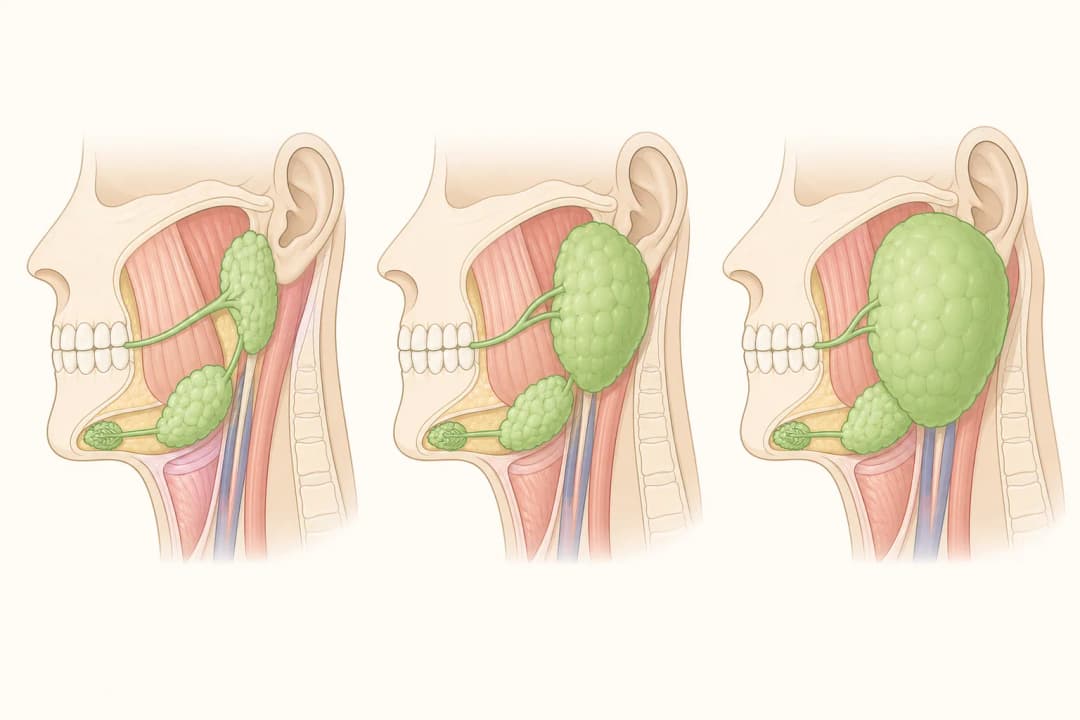
The GP may ask when cheek or jaw swelling began, whether it affects one or both sides, and whether you have fever, headache, tiredness, muscle aches, dry mouth or pain when chewing. They may ask about contact with someone who has mumps, vaccination history, recent travel and anyone vulnerable at home. Examination can include looking inside the mouth, feeling the salivary glands and checking the neck, temperature and general condition. Mumps is caused by a virus, so antibiotics do not treat the infection itself. A swab or urine test may be considered, especially when confirmation is needed or another cause of swelling is possible.
How to prepare and what happens next
Before the visit, note the first day of swelling, fever readings, medicines taken and any relevant exposure. Phone the clinic before arriving if mumps is suspected so they can reduce contact with other patients. The GP may advise rest, fluids, soft foods and suitable pain or fever relief, while checking which medicines are appropriate for you. Avoid sharing cups or utensils, wash hands regularly and follow local advice about staying home from school, work or group activities. Ask how test results will be communicated and when normal activities can resume.
When to seek urgent care
Seek urgent medical help for severe headache with a stiff neck, confusion, unusual drowsiness, repeated vomiting, seizures, breathing difficulty or rapidly worsening illness. Severe abdominal pain, testicular pain or swelling, or difficulty swallowing also needs prompt assessment. Contact the GP again if you cannot keep fluids down, urine becomes very reduced, fever persists or symptoms are worsening rather than settling.
Questions to ask your GP
Ask whether testing is needed, how long you should avoid close contact, which pain relief is suitable, how to protect household members, and which symptoms should trigger a same-day call.
Find care
General Clinics & Polyclinics in Abu Dhabi
That answer is general. If you want it applied to your own case, these are licensed general clinics & polyclinics listed in Abu Dhabi.
27 Ar Ruwwad St - Shakhbout City - MSH4 - Abu Dhabi - United Arab Emirates
Accepts: Daman, Thiqa, Cigna, MetLife +20 more
Al Ruwais, Al Dhafrah
Accepts: Daman, Thiqa, AXA, Cigna +16 more
Al Bahyah - Al Bahyah Old - Abu Dhabi - United Arab Emirates
Accepts: Daman, Thiqa, Cigna, Allianz Care +18 more
Abu Dhabi
Accepts: Daman, Thiqa, AXA, Cigna +27 more
Ordered by verification status and how complete each clinic's public record is, then alphabetically. This is a directory listing, not a ranking — Zavis does not rate or recommend providers.
A factual listing drawn from the DHA, DOH and MOHAP licence registers. It is not a referral, an endorsement, or advice that any of these providers is right for you.
Questions people ask
Will the GP always order a test?
Not necessarily. The decision depends on your symptoms, examination, exposure and whether confirmation would affect advice or public-health follow-up.
Can I attend the clinic without warning?
Call first when possible, because the clinic may arrange an appointment that limits contact with other patients.
Related
Related reading
Keep reading
Medical disclaimer. This page is general health information, not medical advice, and it cannot diagnose you. Always consult a licensed healthcare provider about your own symptoms and treatment. In an emergency in the UAE, call 998 for an ambulance.