
What to expect from a GP consultation for glandular fever
Short answer
A GP consultation for glandular fever usually includes a symptom history, examination, possible blood tests and advice about recovery.
This answers one question. It is not a diagnosis and does not replace an assessment by a licensed doctor.
At a glance
- Assessment
- Symptoms, throat and neck examination, and general observations
- Possible test
- Blood tests when the diagnosis or severity needs clarification
- Main care
- Fluids, rest and individually suitable symptom relief
What the consultation may cover
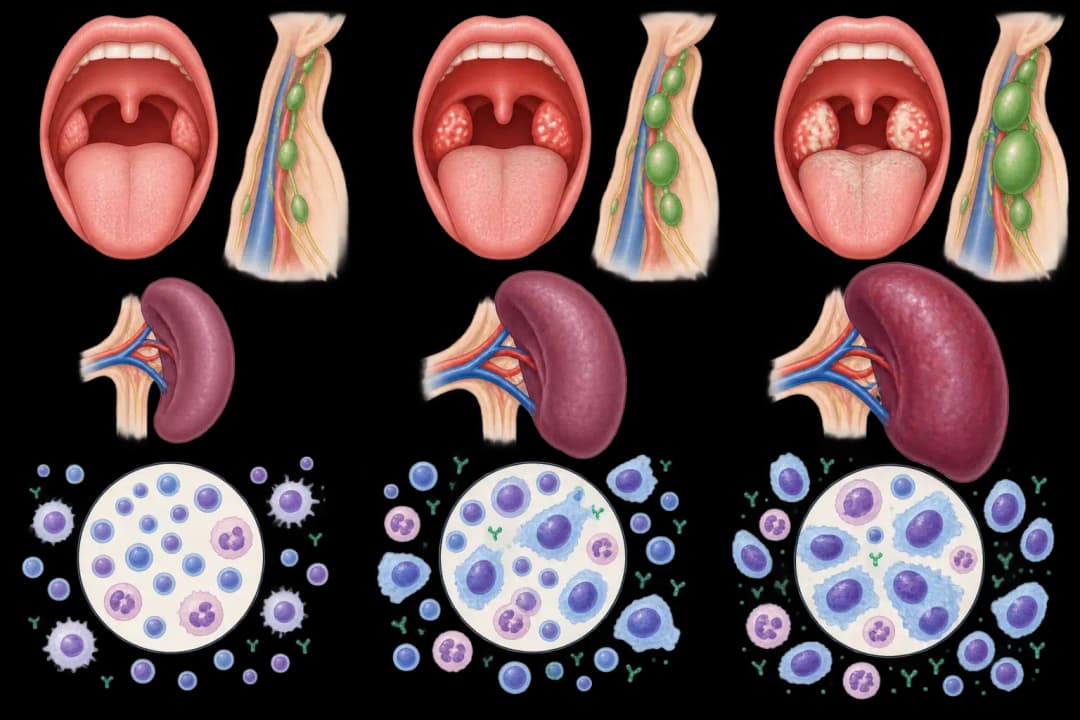
Your GP may ask when fever, sore throat, swollen neck glands, marked tiredness or reduced appetite began. They may ask about contact with someone unwell, medicines, hydration and any pain under the ribs. The examination can include looking at your throat, feeling the neck glands and checking your temperature, breathing and abdomen. These findings help distinguish glandular fever from other causes of a sore throat; a consultation cannot confirm every cause from symptoms alone.
Preparing and following the plan
Take a list of medicines and note your symptoms, temperature pattern and ability to drink. Your GP may arrange blood tests when the diagnosis is uncertain or symptoms are significant. Treatment is commonly focused on rest, fluids and suitable pain or fever relief. Avoid strenuous activity until your clinician says it is appropriate, particularly if the spleen may be enlarged. Follow-up may be suggested if fatigue continues or results need discussion.
When to seek urgent care
Seek urgent medical help for difficulty breathing, inability to swallow fluids, severe dehydration, confusion, fainting or sudden intense pain in the upper left abdomen. These symptoms can signal airway, circulation or abdominal complications and need prompt assessment. Contact your GP again if fever persists, you are worsening, or you cannot maintain fluids.
Questions to ask your doctor
Ask whether testing is needed, which activities to avoid, how to manage throat pain, when you can return to work or study, and what follow-up symptoms should prompt another appointment.
Find care
General Clinics & Polyclinics in Abu Dhabi
That answer is general. If you want it applied to your own case, these are licensed general clinics & polyclinics listed in Abu Dhabi.
27 Ar Ruwwad St - Shakhbout City - MSH4 - Abu Dhabi - United Arab Emirates
Accepts: Daman, Thiqa, Cigna, MetLife +20 more
Al Ruwais, Al Dhafrah
Accepts: Daman, Thiqa, AXA, Cigna +16 more
Al Bahyah - Al Bahyah Old - Abu Dhabi - United Arab Emirates
Accepts: Daman, Thiqa, Cigna, Allianz Care +18 more
Abu Dhabi
Accepts: Daman, Thiqa, AXA, Cigna +27 more
Ordered by verification status and how complete each clinic's public record is, then alphabetically. This is a directory listing, not a ranking — Zavis does not rate or recommend providers.
A factual listing drawn from the DHA, DOH and MOHAP licence registers. It is not a referral, an endorsement, or advice that any of these providers is right for you.
Questions people ask
Will a GP confirm glandular fever during the appointment?
Sometimes, but symptoms overlap with other illnesses and blood testing may be arranged when confirmation is needed.
Can you exercise during recovery?
Ask your GP before resuming strenuous activity, especially if an enlarged spleen is possible.
Related
Related reading
Keep reading
Medical disclaimer. This page is general health information, not medical advice, and it cannot diagnose you. Always consult a licensed healthcare provider about your own symptoms and treatment. In an emergency in the UAE, call 998 for an ambulance.