
What to expect from electrolysis hair removal for hypertrichosis
Short answer
Electrolysis for hypertrichosis works follicle by follicle, so expect a planned course of appointments, brief local skin reactions, and ongoing assessment.
This answers one question. It is not a diagnosis and does not replace an assessment by a licensed doctor.
At a glance
- Method
- Probe-and-energy treatment of individual follicles
- Course
- Multiple visits may be needed for cycling growth
Understanding the treatment plan
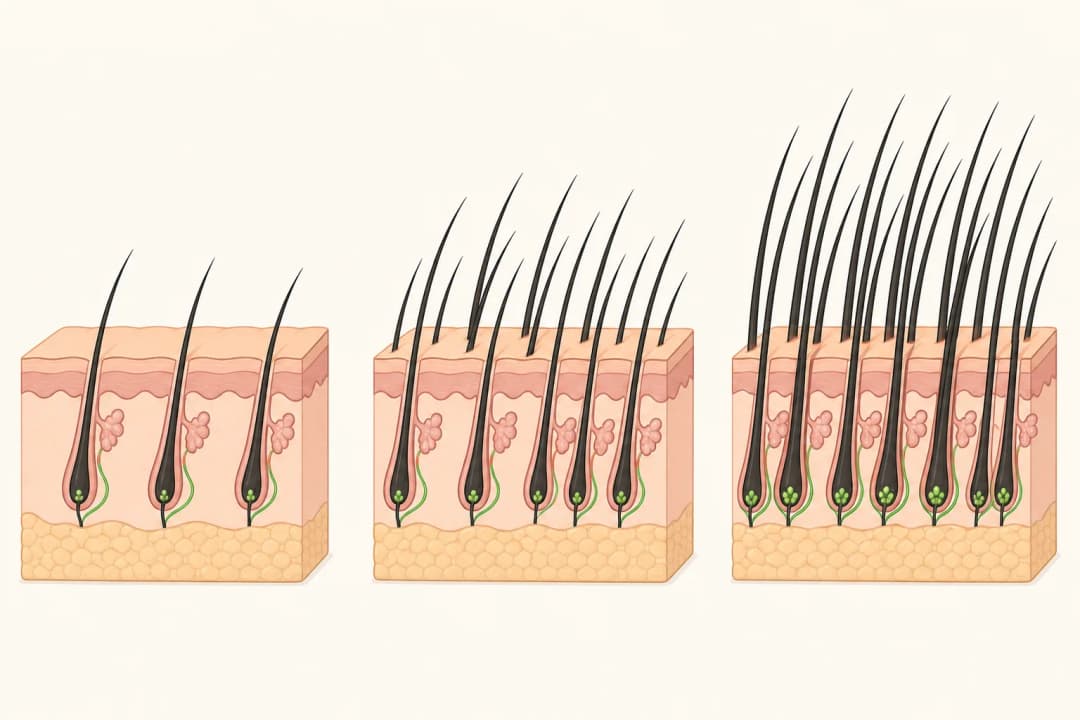
Hypertrichosis means more hair growth than expected for a person’s age, sex, or body area, and it can involve fine or coarse hairs. Electrolysis places a slender probe into each selected follicle and uses electrical energy to affect the growth tissue. The hair is lifted out after treatment rather than forcibly pulled.
Large or densely haired areas take longer to cover because each follicle needs individual attention. Hair cycles mean untreated follicles can become visible at later visits, so the plan is adjusted as growth becomes easier to map.
Making sessions easier
Share the pattern and timing of hair growth, previous hair-removal methods, medicines, and any tendency to form raised or dark marks. Follow the clinic’s instructions about shaving, cleansing, and topical products before arrival. Do not pluck hairs if the practitioner needs them present for accurate follicle insertion.
Use only the aftercare recommended for your skin. Keep hands off crusts, limit friction and heat, and protect treated areas from sun while the surface is settling. Note whether new growth is changing in colour, texture, or distribution.
Signs that need review
Ask the provider to review persistent swelling, increasing pain, spreading redness, pus, or crusting that does not improve. Urgent help is needed for sudden facial swelling or breathing trouble. Rapidly changing hair growth with other body changes should be medically evaluated rather than managed only cosmetically.
Useful questions
Ask whether the hair pattern needs medical evaluation, which areas can be treated safely, what interval suits your growth cycle, and how your skin type or history of pigmentation may affect settings and aftercare.
Find care
General Clinics & Polyclinics in Abu Dhabi
That answer is general. If you want it applied to your own case, these are licensed general clinics & polyclinics listed in Abu Dhabi.
27 Ar Ruwwad St - Shakhbout City - MSH4 - Abu Dhabi - United Arab Emirates
Accepts: Daman, Thiqa, Cigna, MetLife +20 more
Al Ruwais, Al Dhafrah
Accepts: Daman, Thiqa, AXA, Cigna +16 more
Al Bahyah - Al Bahyah Old - Abu Dhabi - United Arab Emirates
Accepts: Daman, Thiqa, Cigna, Allianz Care +18 more
Abu Dhabi
Accepts: Daman, Thiqa, AXA, Cigna +27 more
Ordered by verification status and how complete each clinic's public record is, then alphabetically. This is a directory listing, not a ranking — Zavis does not rate or recommend providers.
A factual listing drawn from the DHA, DOH and MOHAP licence registers. It is not a referral, an endorsement, or advice that any of these providers is right for you.
Questions people ask
Why can hair reappear after an electrolysis visit?
Visible hairs may come from follicles that were not yet in the treatment area or from a different growth phase; follow-up sessions address the changing pattern.
Is hypertrichosis always hormonal?
No. It can have different causes, so a changing or widespread pattern deserves a clinician’s assessment.
Related
Related reading
Keep reading
Medical disclaimer. This page is general health information, not medical advice, and it cannot diagnose you. Always consult a licensed healthcare provider about your own symptoms and treatment. In an emergency in the UAE, call 998 for an ambulance.