
What to expect from chemotherapy for gestational trophoblastic disease
Short answer
Chemotherapy for gestational trophoblastic disease is closely monitored with pregnancy-hormone tests, and many people receive treatment as outpatient cycles with planned review.
This answers one question. It is not a diagnosis and does not replace an assessment by a licensed doctor.
At a glance
- Key test
- Human chorionic gonadotropin blood testing tracks response
- Appointments
- Treatment and review visits are scheduled together
- Pregnancy planning
- Contraception and follow-up timing need specialist guidance
How monitoring guides care
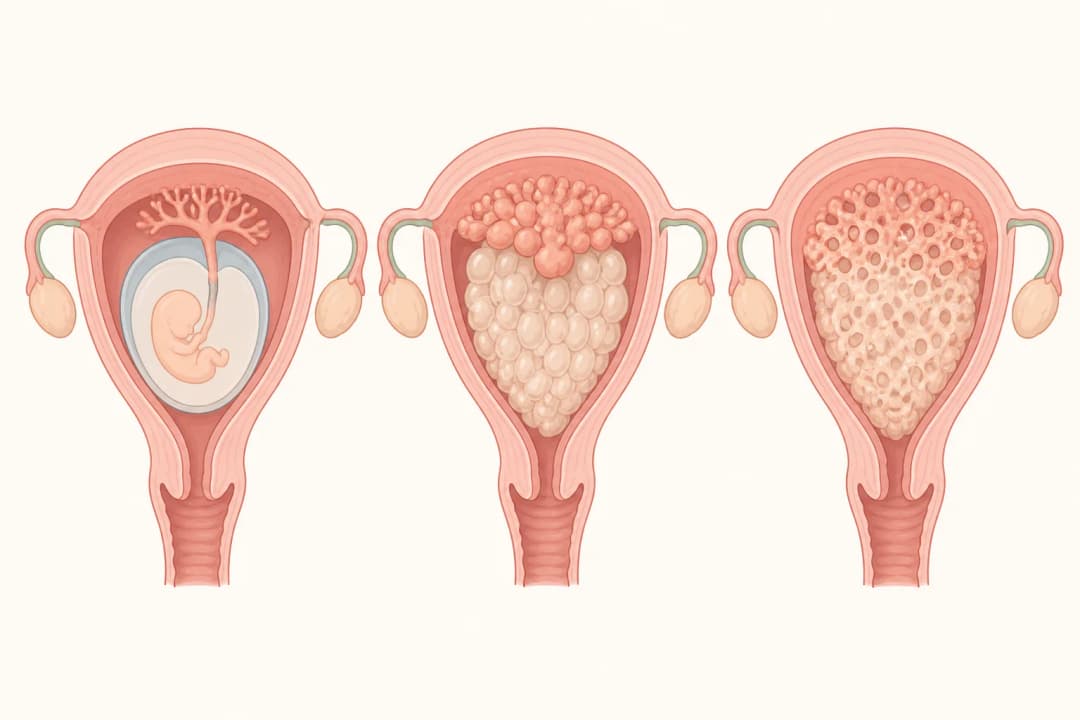
Gestational trophoblastic disease includes conditions that develop from pregnancy-related tissue, such as a molar pregnancy or choriocarcinoma. Your team selects treatment based on the disease type, its spread, your health and whether you have received previous treatment. Medicines may be given by vein, injection or tablet, depending on the regimen. Regular blood tests measure human chorionic gonadotropin, a pregnancy-related hormone; the pattern helps the team decide whether treatment should continue or change. Imaging and examinations may also be used.
You may notice tiredness, nausea, appetite changes, mouth soreness, hair changes or altered menstrual bleeding. Tell the team about emotional distress as well as physical symptoms. Fertility and future pregnancy planning can be discussed after treatment monitoring is complete.
During the treatment course
Attend every hormone test and treatment review, even when you feel well. Use anti-sickness medicines as prescribed and ask how to care for your mouth and skin. Keep a record of bleeding, pain, fever and other changes. Avoid pregnancy during treatment unless your specialist gives different advice, because pregnancy can make hormone results difficult to interpret and may be unsafe with treatment. Ask when contraception can be stopped and when future pregnancy planning is appropriate.
When urgent advice is needed
Contact your team promptly for heavy or increasing vaginal bleeding, severe pelvic or abdominal pain, fever or chills, persistent vomiting, breathlessness, chest pain, severe headache or visual changes. These symptoms may need assessment for infection, bleeding or disease-related complications. Use emergency services for collapse, severe breathing difficulty or uncontrolled bleeding.
Questions for your doctor
Which type of gestational trophoblastic disease do I have, and what is the treatment goal? How often will my hormone level be checked? Which symptoms should prompt a same-day call? What contraception is suitable, and when can we discuss another pregnancy?
Questions people ask
Why are hormone tests repeated so often?
The hormone level provides a useful way to follow disease activity and helps guide the next treatment decision.
Will treatment always require a hospital stay?
Many regimens are delivered as outpatient care, though some situations require hospital assessment or treatment.
Related
Related reading
Keep reading
Cancer care in the UAE
Hospitals & Medical Centers in Abu Dhabi
Most UAE cancer care is delivered inside hospital services rather than by standalone oncology clinics, so these are licensed hospitals & medical centers listed in Abu Dhabi. Confirm the specific cancer service exists before you travel, and know that asking for a second opinion is routine.
Ahalia Hospital Musaffah Building - Musaffah - Musaffah Industrial - Abu Dhabi - United Arab Emirates
Accepts: Daman, Thiqa, AXA, Cigna +26 more
Al Ruwais Industrial City - Abu Dhabi - United Arab Emirates
Accepts: Daman, Thiqa, AXA, Cigna +30 more
Abu Dhabi, Abu Dhabi
Accepts: Daman, Thiqa, AXA, Cigna +30 more
Second opinions are routine in cancer care and asking for one does not affect your treatment. How to arrange a second opinion in the UAE.
Ordered by verification status and how complete each clinic's public record is, then alphabetically. This is a directory listing, not a ranking — Zavis does not rate or recommend providers.
A factual listing drawn from the DHA, DOH and MOHAP licence registers. It is not a referral, an endorsement, or advice that any of these providers is right for you.
Medical disclaimer. This page is general health information, not medical advice, and it cannot diagnose you. Always consult a licensed healthcare provider about your own symptoms and treatment. In an emergency in the UAE, call 998 for an ambulance.