
What to expect from a blood test for glandular fever
Short answer
The test involves a small blood sample and may look for an immune response linked with glandular fever.
This answers one question. It is not a diagnosis and does not replace an assessment by a licensed doctor.
At a glance
- Sample
- Usually blood from a vein in the arm.
- Timing
- Early testing may be harder to interpret.
- Assessment
- Symptoms and examination findings are considered with the report.
What happens during testing?
The test involves a small blood sample and may look for an immune response linked with glandular fever. Blood is usually drawn from a vein in your arm; the skin is cleaned first, and the needle is removed after the tubes are filled. You may notice a short sting or temporary bruising. Tell the clinician when your symptoms began, because test choice and interpretation can depend on timing.
Understanding the report
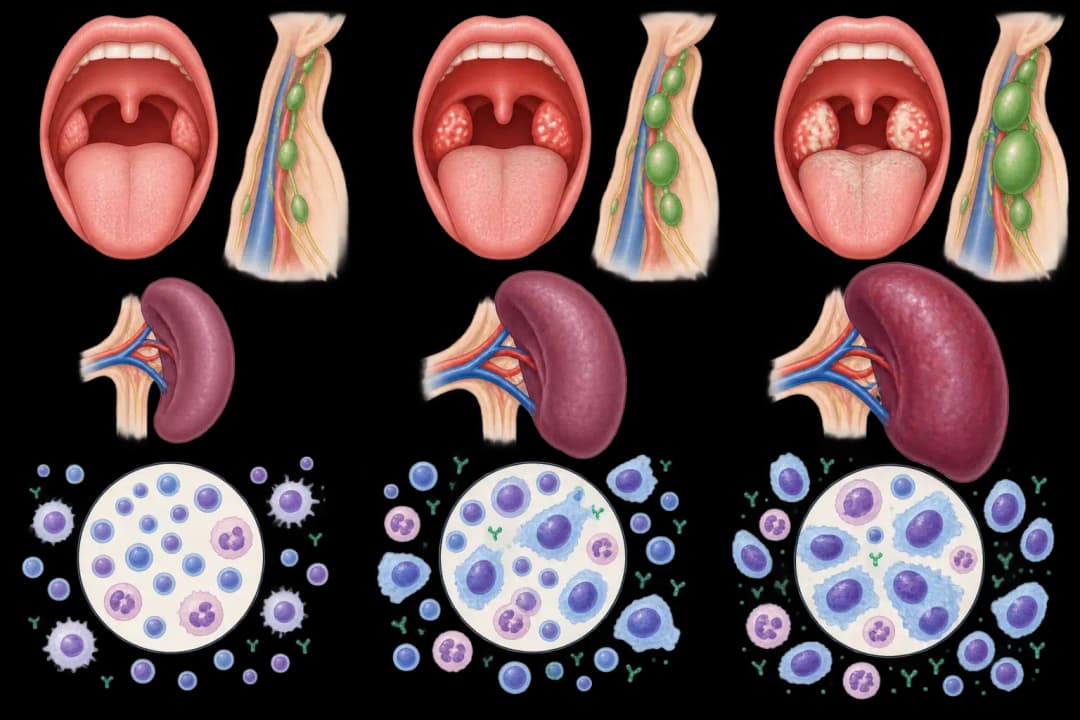
Testing may include a rapid antibody test or more specific tests for antibodies associated with the virus that commonly causes glandular fever. Early in an illness, the immune response may not yet be easy to detect, so a negative result does not always settle the question. A clinician may consider your sore throat, swollen glands, fever, fatigue, examination findings, blood count, and liver tests, and may repeat or extend testing if needed. A positive antibody pattern can also reflect past infection, depending on which antibodies are present.
After the blood test
Rest, drink regularly, and follow advice about returning to work, school, or sport. Avoid strenuous activity until a clinician says it is appropriate, particularly if your spleen may be enlarged. Do not share cups, cutlery, or toothbrushes while you are unwell. Ask how and when results will be communicated, and mention any medicines or supplements before starting treatment for throat symptoms.
When to seek urgent help
Get urgent care for severe difficulty breathing or swallowing, inability to keep fluids down, severe abdominal pain, fainting, confusion, or rapidly worsening illness. Sudden pain under the ribs after an injury or exertion also needs urgent assessment. Do not wait for the blood-test report when a serious symptom appears.
Questions for your doctor
Ask which test is being used, whether the timing of symptoms could make it inconclusive, whether repeat testing is needed, when sport is safe, and which symptoms should trigger a same-day review.
Find care
General Clinics & Polyclinics in Abu Dhabi
That answer is general. If you want it applied to your own case, these are licensed general clinics & polyclinics listed in Abu Dhabi.
27 Ar Ruwwad St - Shakhbout City - MSH4 - Abu Dhabi - United Arab Emirates
Accepts: Daman, Thiqa, Cigna, MetLife +20 more
Al Ruwais, Al Dhafrah
Accepts: Daman, Thiqa, AXA, Cigna +16 more
Al Bahyah - Al Bahyah Old - Abu Dhabi - United Arab Emirates
Accepts: Daman, Thiqa, Cigna, Allianz Care +18 more
Abu Dhabi
Accepts: Daman, Thiqa, AXA, Cigna +27 more
Ordered by verification status and how complete each clinic's public record is, then alphabetically. This is a directory listing, not a ranking — Zavis does not rate or recommend providers.
A factual listing drawn from the DHA, DOH and MOHAP licence registers. It is not a referral, an endorsement, or advice that any of these providers is right for you.
Questions people ask
Can a negative test rule out glandular fever?
Not always, particularly when testing is done early. Your clinician may use other findings or arrange repeat testing.
Can I exercise while waiting for results?
Ask your clinician before strenuous activity, because glandular fever can be associated with an enlarged spleen.
Related
Related reading
Keep reading
Medical disclaimer. This page is general health information, not medical advice, and it cannot diagnose you. Always consult a licensed healthcare provider about your own symptoms and treatment. In an emergency in the UAE, call 998 for an ambulance.