
What to Expect from Antibiotic Treatment for Amoebiasis
Short answer
Antibiotic treatment for amoebiasis usually targets the intestinal infection first, followed by medicine that clears organisms remaining in the bowel when prescribed.
This answers one question. It is not a diagnosis and does not replace an assessment by a licensed doctor.
At a glance
- Commonly affected area
- The intestine
- Treatment planning
- Based on testing and severity
- Helpful prevention
- Handwashing and safe food handling
How treatment is planned
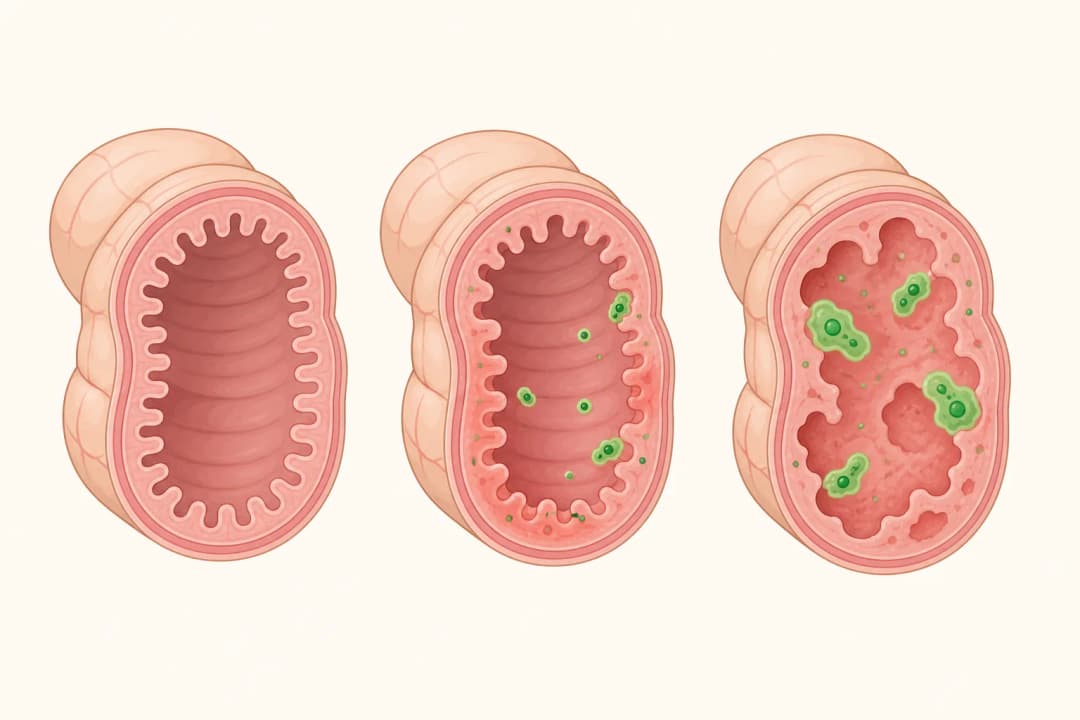
Amoebiasis is an intestinal infection caused by a parasite and may cause diarrhoea, cramps, or blood in the stool. Some people carry the organism without obvious symptoms. Testing stool samples can help distinguish amoebiasis from other causes of diarrhoea and guide treatment. A medicine that reaches the infected tissues may be followed by a bowel-clearing medicine, because symptoms can improve before organisms are fully removed. The exact prescription depends on the test result, illness severity, pregnancy status, and other health conditions. Avoid self-treating persistent diarrhoea with leftover antibiotics.
Taking treatment safely
Take every prescribed medicine for the instructed course, even if stools improve early. Drink frequent fluids and use oral rehydration advice when recommended, especially with repeated diarrhoea. Wash hands carefully after using the toilet and before preparing food, and avoid preparing food for others while infectious illness is being assessed. Tell the clinician about travel, unsafe water exposure, blood in stool, pregnancy, and medicines you already use. A follow-up stool test may be advised when symptoms persist or the original infection was more severe.
When to seek prompt care
Arrange prompt medical assessment for bloody diarrhoea, severe abdominal pain, fever, repeated vomiting, dehydration, or diarrhoea that is not settling. Seek emergency help for fainting, confusion, very little urine, severe weakness, or a swollen and painful abdomen. These signs can indicate significant fluid loss or infection beyond the intestine.
Questions for your doctor
Ask which test supports the diagnosis, whether you need one medicine or a follow-on bowel-clearing treatment, and how to manage missed doses. Ask whether household hygiene or testing is needed and when symptoms should be reassessed.
Find care
General Clinics & Polyclinics in Abu Dhabi
That answer is general. If you want it applied to your own case, these are licensed general clinics & polyclinics listed in Abu Dhabi.
27 Ar Ruwwad St - Shakhbout City - MSH4 - Abu Dhabi - United Arab Emirates
Accepts: Daman, Thiqa, Cigna, MetLife +20 more
Al Ruwais, Al Dhafrah
Accepts: Daman, Thiqa, AXA, Cigna +16 more
Al Bahyah - Al Bahyah Old - Abu Dhabi - United Arab Emirates
Accepts: Daman, Thiqa, Cigna, Allianz Care +18 more
Abu Dhabi
Accepts: Daman, Thiqa, AXA, Cigna +27 more
Ordered by verification status and how complete each clinic's public record is, then alphabetically. This is a directory listing, not a ranking — Zavis does not rate or recommend providers.
A factual listing drawn from the DHA, DOH and MOHAP licence registers. It is not a referral, an endorsement, or advice that any of these providers is right for you.
Questions people ask
Can diarrhoea improve before amoebiasis is fully treated?
Yes. Symptoms may settle before organisms are cleared, which is why completing the prescribed plan matters.
Should you take an anti-diarrhoea medicine without advice?
Ask a clinician first, particularly when there is blood in the stool, fever, or significant abdominal pain.
Related
Related reading
Keep reading
Medical disclaimer. This page is general health information, not medical advice, and it cannot diagnose you. Always consult a licensed healthcare provider about your own symptoms and treatment. In an emergency in the UAE, call 998 for an ambulance.