
What Is the First Treatment for Xanthelasma?
Short answer
CO2 laser resurfacing is often the first treatment considered for suitable xanthelasma.
This answers one question. It is not a diagnosis and does not replace an assessment by a licensed doctor.
At a glance
- Common first option
- CO2 laser resurfacing for suitable superficial plaques
- Alternative
- Surgical excision may suit deeper or more extensive deposits
- Main purpose
- Cosmetic removal or reduction of visible eyelid plaques
The short answer
It uses controlled laser energy to remove or reduce the visible yellow plaques on the eyelid surface. A dermatologist or oculoplastic specialist first confirms that the change is xanthelasma and checks its depth and position. A different approach may be more suitable when deposits are thick, extensive, close to the eyelid margin, or likely to leave unwanted tightening or colour change.
What the treatment decision means
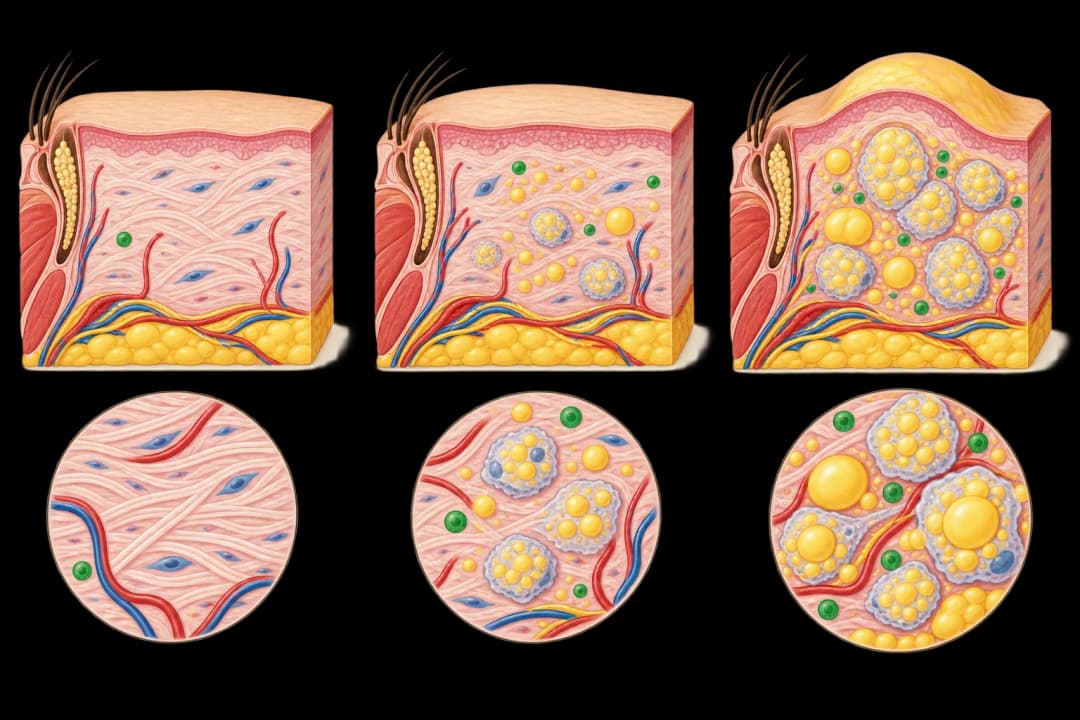
Xanthelasma consists of cholesterol-rich deposits in the skin, usually around the inner portions of the upper or lower eyelids. Treatment is mainly cosmetic: removing the deposit does not by itself correct an underlying cholesterol problem, and the plaques can return after treatment.
Before choosing a procedure, the clinician may ask about your medical history and recommend a cholesterol assessment through your usual doctor. This helps identify a health issue that may need attention, but treatment of that issue does not reliably remove an established plaque.
What to do next
Arrange an assessment rather than applying acids, creams, or home remedies to the eyelids. The skin is thin and close to the eyes, so an unsuitable product can cause a burn or eye injury.
If laser treatment is recommended, ask how the area will be protected, what temporary redness or swelling to expect, and how aftercare will be managed. Surgical excision may be discussed when the deposits are deeper or when removing the tissue directly offers a better fit. Neither option prevents every recurrence, so follow-up should include a plan for monitoring new plaques.
Use the treatment links below to learn about CO2 laser resurfacing and surgical excision before your consultation.
When to seek care promptly
Seek prompt medical assessment if an eyelid lump is painful, bleeds, crusts, grows quickly, changes colour, affects vision, or is associated with marked swelling. Those features are not typical reasons to assume a cosmetic deposit; the area may need a closer examination and, in some cases, testing.
After a procedure, contact the treating clinic urgently for worsening pain, increasing redness, pus-like discharge, fever, or any change in vision. Keep products and unwashed hands away from the treated skin until you receive specific aftercare instructions.
Questions for your doctor
Ask: Is the diagnosis clear from examination, or is another test needed? Is the deposit superficial enough for laser treatment? What result is realistic for my eyelid location and skin tone? How might treatment affect pigment, scarring, or eyelid movement? What will happen if the plaque returns? Should I arrange a cholesterol check with my primary-care doctor?
Find care
General Clinics & Polyclinics in Abu Dhabi
That answer is general. If you want it applied to your own case, these are licensed general clinics & polyclinics listed in Abu Dhabi.
27 Ar Ruwwad St - Shakhbout City - MSH4 - Abu Dhabi - United Arab Emirates
Accepts: Daman, Thiqa, Cigna, MetLife +20 more
Al Ruwais, Al Dhafrah
Accepts: Daman, Thiqa, AXA, Cigna +16 more
Al Bahyah - Al Bahyah Old - Abu Dhabi - United Arab Emirates
Accepts: Daman, Thiqa, Cigna, Allianz Care +18 more
Abu Dhabi
Accepts: Daman, Thiqa, AXA, Cigna +27 more
Ordered by verification status and how complete each clinic's public record is, then alphabetically. This is a directory listing, not a ranking — Zavis does not rate or recommend providers.
A factual listing drawn from the DHA, DOH and MOHAP licence registers. It is not a referral, an endorsement, or advice that any of these providers is right for you.
Questions people ask
Does treating high cholesterol remove xanthelasma?
Managing high cholesterol is useful for overall health, but it does not reliably erase an established xanthelasma plaque. A separate procedure may be needed if you want the visible deposit reduced.
Can xanthelasma come back after laser treatment?
Yes. Xanthelasma can recur after treatment, including after laser resurfacing. Your clinician can explain how the location, depth, and any underlying cholesterol issue may affect the chance of recurrence.
Is surgical excision always better than laser treatment?
No single method suits every eyelid plaque. Excision can be considered for deeper or larger deposits, while laser treatment may be suitable for selected superficial lesions; an examination determines the safer fit.
Related
Related reading
Keep reading
Medical disclaimer. This page is general health information, not medical advice, and it cannot diagnose you. Always consult a licensed healthcare provider about your own symptoms and treatment. In an emergency in the UAE, call 998 for an ambulance.