
What is the first treatment for type 1 diabetes?
Short answer
The first treatment tried for type 1 diabetes is insulin replacement, together with education on glucose monitoring, food, activity, and managing low or high glucose.
This answers one question. It is not a diagnosis and does not replace an assessment by a licensed doctor.
At a glance
- First treatment
- Insulin replacement
- Skills to learn
- Glucose checks, dosing, meals, activity, and sick-day care
- Urgent warning
- Confusion, repeated vomiting, or difficulty breathing
What this treatment means
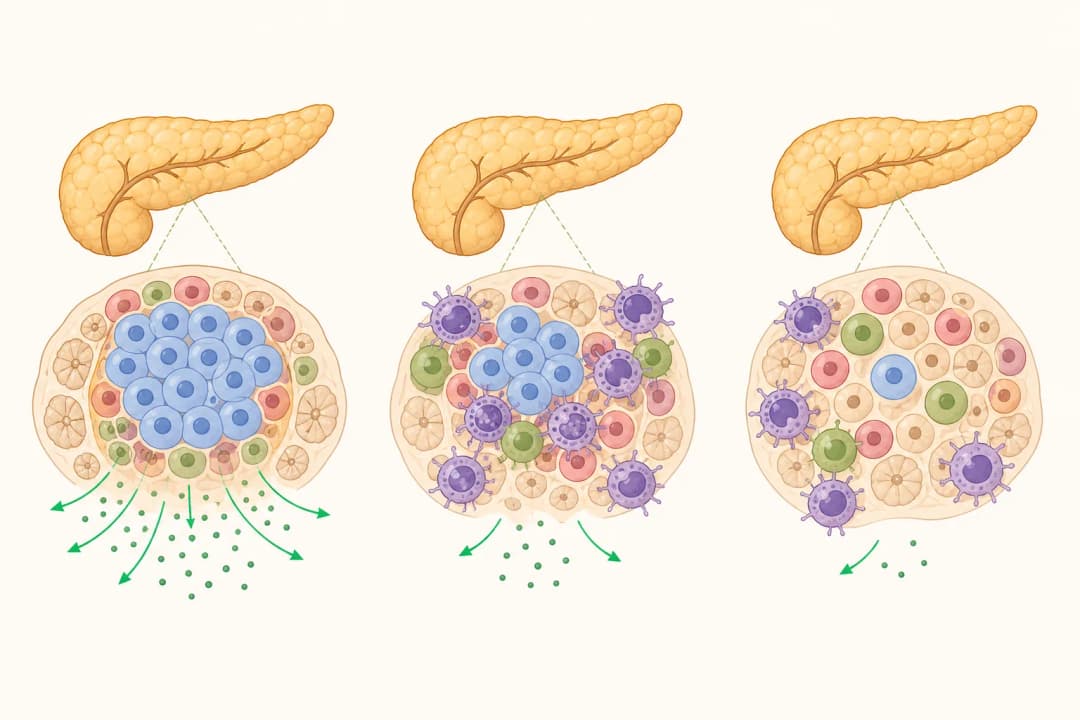
In type 1 diabetes, the body does not make enough insulin to move glucose from the bloodstream into cells. Insulin replacement supplies what the body cannot produce and is usually needed every day. Your diabetes team chooses the delivery method and adjusts doses using glucose readings, meals, activity, illness, and your individual response.
A diabetes education programme teaches injection or device technique, glucose checks, meal planning, recognition of low glucose, and sick-day actions. Medication management and chronic disease reviews help keep the plan safe as your needs change.
What to do next
Use insulin exactly as taught and keep a record of glucose readings, doses, meals, and symptoms while you learn your pattern. Carry a fast source of glucose if your team recommends it, and make sure people close to you know how to recognise and respond to low glucose.
Arrange follow-up with the diabetes team rather than changing doses on your own. Tell them about vomiting, reduced eating, new exercise, pregnancy, medicines, or repeated readings outside your agreed range, as these can alter insulin needs.
When to seek emergency care
Get urgent help for severe drowsiness, confusion, difficulty breathing, repeated vomiting, inability to keep fluids down, or suspected severe low glucose that does not improve with the action your care plan gives you. Do not delay emergency advice because a glucose reading later changes.
Questions for your doctor
Ask how to take insulin, when to check glucose, what to do during illness, how to treat low glucose, which readings need a call, and when your next chronic disease review should happen.
Find care
General Clinics & Polyclinics in Abu Dhabi
That answer is general. If you want it applied to your own case, these are licensed general clinics & polyclinics listed in Abu Dhabi.
27 Ar Ruwwad St - Shakhbout City - MSH4 - Abu Dhabi - United Arab Emirates
Accepts: Daman, Thiqa, Cigna, MetLife +20 more
Al Ruwais, Al Dhafrah
Accepts: Daman, Thiqa, AXA, Cigna +16 more
Al Bahyah - Al Bahyah Old - Abu Dhabi - United Arab Emirates
Accepts: Daman, Thiqa, Cigna, Allianz Care +18 more
Abu Dhabi
Accepts: Daman, Thiqa, AXA, Cigna +27 more
Ordered by verification status and how complete each clinic's public record is, then alphabetically. This is a directory listing, not a ranking — Zavis does not rate or recommend providers.
A factual listing drawn from the DHA, DOH and MOHAP licence registers. It is not a referral, an endorsement, or advice that any of these providers is right for you.
Questions people ask
Can type 1 diabetes be managed with food changes alone?
No. Insulin replacement is needed because the body cannot supply enough insulin; food and activity planning support, but do not replace it.
Should I adjust insulin when I am ill?
Illness can change insulin needs. Follow your written sick-day plan and contact the diabetes team if readings, vomiting, or hydration become difficult to manage.
Related
Related reading
Keep reading
Medical disclaimer. This page is general health information, not medical advice, and it cannot diagnose you. Always consult a licensed healthcare provider about your own symptoms and treatment. In an emergency in the UAE, call 998 for an ambulance.