
What is abscess drainage done with?
Short answer
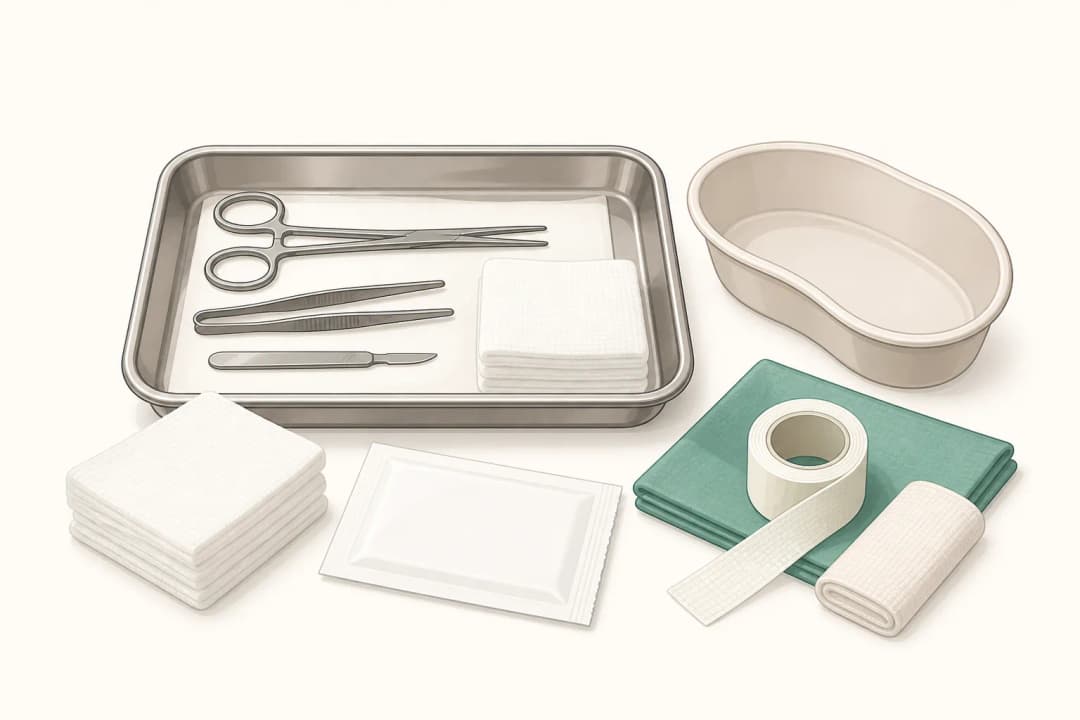
Abscess drainage is usually done with sterile instruments and local anaesthetic such as lidocaine to numb the skin before the abscess is opened and emptied.
This answers one question. It is not a diagnosis and does not replace an assessment by a licensed doctor.
At a glance
- Anaesthetic
- Local anaesthetic numbs the treatment area.
- Do not
- Squeeze or puncture an abscess yourself.
What the procedure involves
A clinician cleans the skin, gives local anaesthetic around the abscess, and waits for the area to become numb. They then make a small opening so trapped pus can escape. The cavity may be gently explored or rinsed, and a dressing is placed. Sometimes the opening is left to drain as it heals. The exact approach depends on the abscess size, depth, location, and whether it is close to important structures.
Local anaesthetic reduces pain from the procedure, although pressure, pulling, or movement may still be felt. Tell the clinician if the area remains sharp or sensitive before drainage begins. Antibiotics are not a substitute for releasing a collection of pus; they may be considered when there are surrounding skin changes, systemic symptoms, or particular health risks.
Preparing and caring for the area
Tell the clinician about allergies, blood-thinning medicines, diabetes, immune problems, and previous reactions to local anaesthetic. Do not squeeze or puncture an abscess yourself. After drainage, keep the dressing as instructed, wash your hands before touching it, and take prescribed treatment exactly as directed. Attend any planned wound review, especially if packing or a cavity dressing has been used.
When to seek care promptly
Seek urgent help if you develop spreading redness, severe or increasing pain, fever with shaking chills, faintness, confusion, or difficulty breathing. Contact the treating service if bleeding does not settle with firm pressure, the dressing becomes soaked, pus continues to build, or the wound is not improving. An abscess on the face, near the eye, or over the spine deserves prompt professional assessment.
Questions for your doctor
Which anaesthetic will you use, and what sensations should I expect? Will the wound be left open or dressed? Do I need antibiotics or a review? How should I clean it, and which changes mean I should return sooner?
Find care
General Clinics & Polyclinics in Abu Dhabi
That answer is general. If you want it applied to your own case, these are licensed general clinics & polyclinics listed in Abu Dhabi.
27 Ar Ruwwad St - Shakhbout City - MSH4 - Abu Dhabi - United Arab Emirates
Accepts: Daman, Thiqa, Cigna, MetLife +20 more
Al Ruwais, Al Dhafrah
Accepts: Daman, Thiqa, AXA, Cigna +16 more
Al Bahyah - Al Bahyah Old - Abu Dhabi - United Arab Emirates
Accepts: Daman, Thiqa, Cigna, Allianz Care +18 more
Abu Dhabi
Accepts: Daman, Thiqa, AXA, Cigna +27 more
Ordered by verification status and how complete each clinic's public record is, then alphabetically. This is a directory listing, not a ranking — Zavis does not rate or recommend providers.
A factual listing drawn from the DHA, DOH and MOHAP licence registers. It is not a referral, an endorsement, or advice that any of these providers is right for you.
Questions people ask
Will abscess drainage hurt?
Numbing medicine is used, but pressure or pulling can still be felt. Tell the clinician if you feel sharp pain.
Is lidocaine always used?
Local anaesthetic is commonly used, but the clinician chooses the safest approach for the abscess and your health.
Related
Related reading
Keep reading
Medical disclaimer. This page is general health information, not medical advice, and it cannot diagnose you. Always consult a licensed healthcare provider about your own symptoms and treatment. In an emergency in the UAE, call 998 for an ambulance.