
What Does Visible Deformity After Injury Feel Like With an Ankle Fracture?
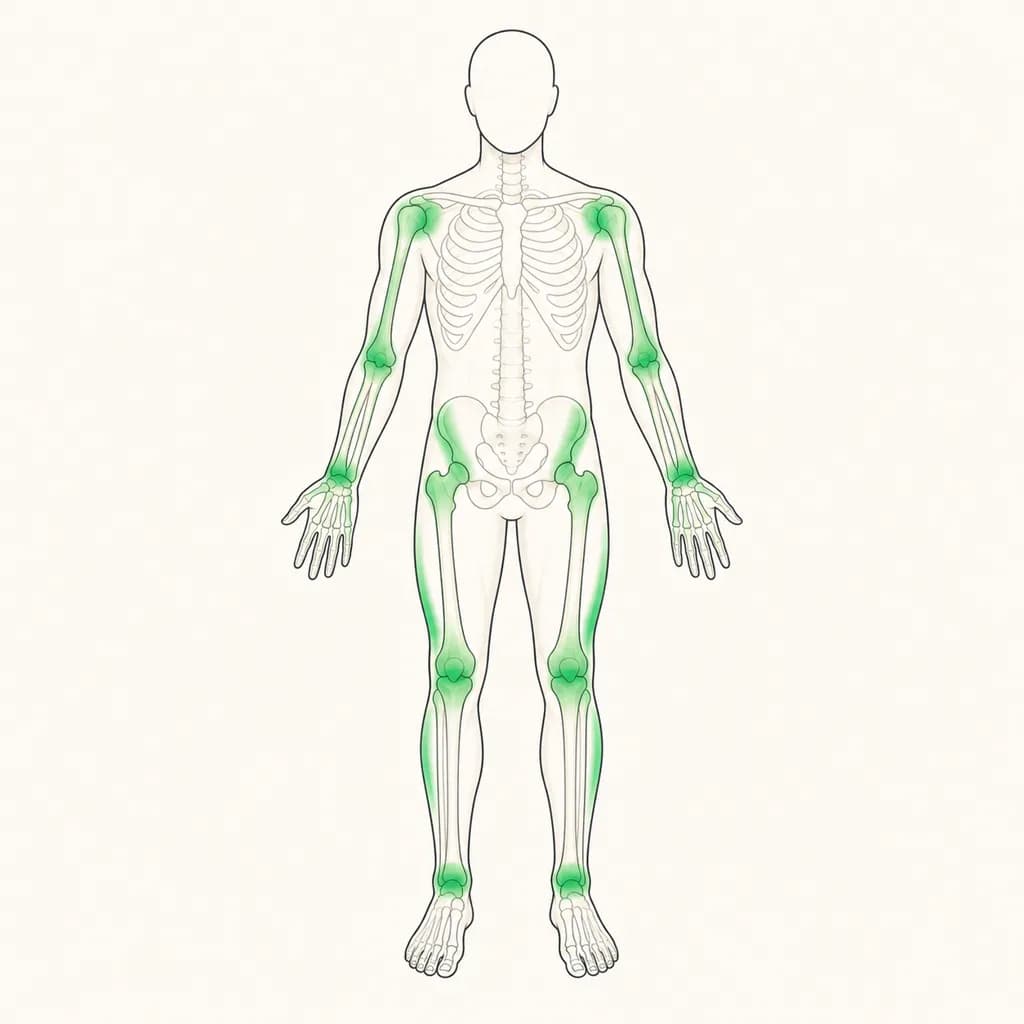
Short answer
Visible Deformity After Injury is a common presentation of Ankle Fracture. The ankle may look bent or out of alignment and feel intensely painful, swollen, unstable, or impossible to put weight on.
This answers one question. It is not a diagnosis and does not replace an assessment by a licensed doctor.
At a glance
- Typical sensations
- Severe pain, swelling, instability, or pressure
- Weight-bearing
- Avoid walking until assessed
- First priority
- Protect the ankle and obtain urgent care
What the appearance and feeling can indicate
The unusual shape may reflect movement of the ankle bones after a break. Swelling and bruising can develop quickly, while muscle tightening makes the joint feel tense. Pain often increases when the foot is moved or when you try to stand.
A visible change in shape can occur alongside skin pressure, tingling, or reduced feeling in the foot. The appearance cannot show the full extent of the injury, so an examination and imaging are needed to guide treatment.
What to do immediately
Treat a visibly deformed ankle as an urgent injury. Do not walk on it, straighten it, massage it, or push the bones back into place. Keep the leg still in the position you found it and arrange emergency transport or urgent medical help.
Remove loose footwear or jewellery before swelling increases, only if this can be done without moving the ankle. Keep the foot supported without pressing directly on the deformed area. Follow emergency instructions about food, drink, and pain relief before assessment.
When to seek emergency care
Get emergency help immediately if the foot is pale, blue, cold, numb, or difficult to move, or if a wound exposes bone. Severe bleeding, rapidly increasing swelling, or pain that becomes overwhelming also requires immediate attention.
Even when the toes look normal, a visibly misaligned ankle should be assessed urgently because blood flow, nerves, skin, and the joint may need protection.
Questions for your doctor
Ask: Is the ankle aligned safely? Are nerves and blood flow intact? Is the skin at risk? What imaging is needed? Should I use a splint, and when can weight-bearing begin? What follow-up and rehabilitation will I need?
Find care
General Clinics & Polyclinics in Abu Dhabi
That answer is general. If you want it applied to your own case, these are licensed general clinics & polyclinics listed in Abu Dhabi.
27 Ar Ruwwad St - Shakhbout City - MSH4 - Abu Dhabi - United Arab Emirates
Accepts: Daman, Thiqa, Cigna, MetLife +20 more
Al Ruwais, Al Dhafrah
Accepts: Daman, Thiqa, AXA, Cigna +16 more
Al Bahyah - Al Bahyah Old - Abu Dhabi - United Arab Emirates
Accepts: Daman, Thiqa, Cigna, Allianz Care +18 more
Abu Dhabi
Accepts: Daman, Thiqa, AXA, Cigna +27 more
Ordered by verification status and how complete each clinic's public record is, then alphabetically. This is a directory listing, not a ranking — Zavis does not rate or recommend providers.
A factual listing drawn from the DHA, DOH and MOHAP licence registers. It is not a referral, an endorsement, or advice that any of these providers is right for you.
Questions people ask
Should I straighten a deformed ankle?
No. Keep it still in the position found and wait for urgent medical help; straightening it can worsen damage to skin, nerves, or blood vessels.
Can I put ice on a visibly deformed ankle?
Prioritise keeping the ankle still and getting urgent care. Do not place ice directly on injured skin or use it in a way that requires moving the joint.
Related
Related reading
Keep reading
Medical disclaimer. This page is general health information, not medical advice, and it cannot diagnose you. Always consult a licensed healthcare provider about your own symptoms and treatment. In an emergency in the UAE, call 998 for an ambulance.