
What does nipple discharge feel like with hyperprolactinaemia?
Short answer
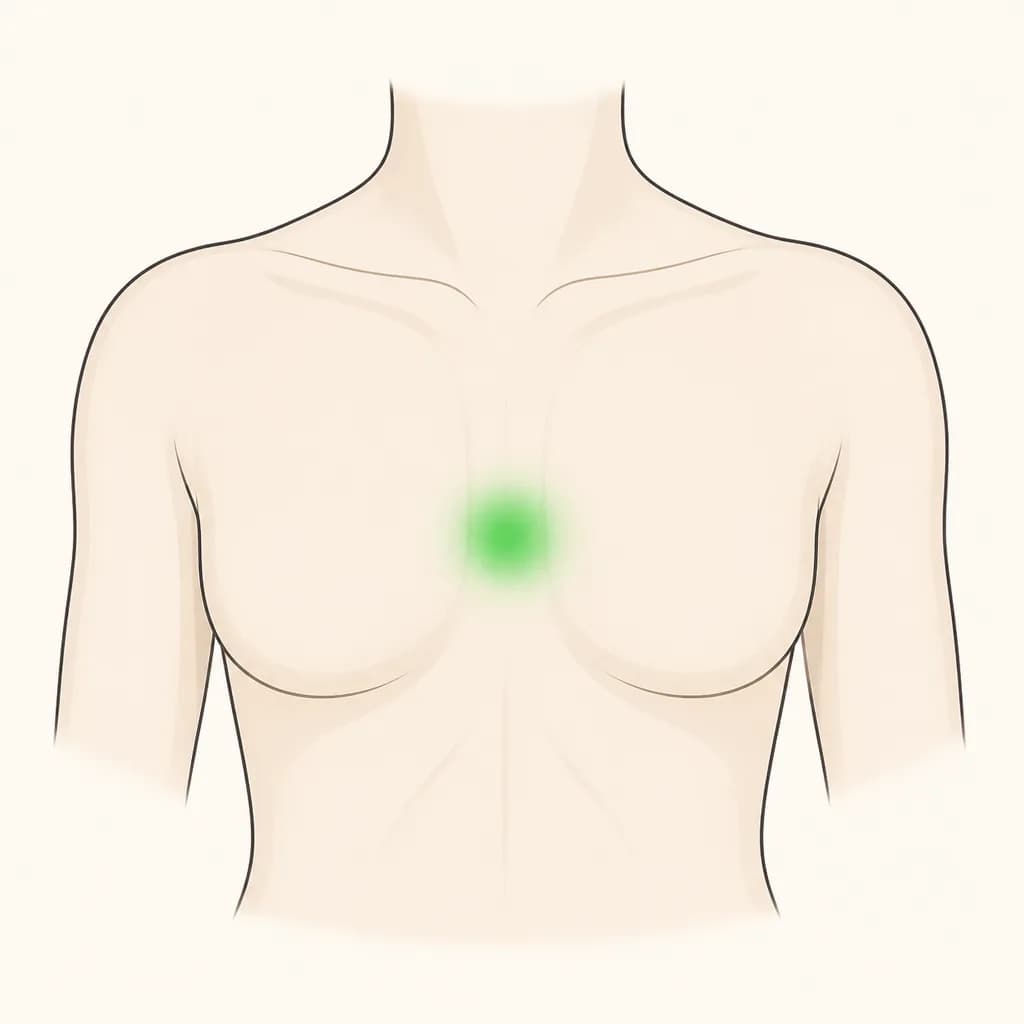
Nipple Discharge is a common presentation of Hyperprolactinaemia. It is often milky, may affect both breasts, and can happen without squeezing.
This answers one question. It is not a diagnosis and does not replace an assessment by a licensed doctor.
At a glance
- Typical fluid
- Often milky or creamy
- Pattern
- May affect both breasts and occur spontaneously
- Key point
- Colour alone cannot establish the cause
How it may feel and appear
The fluid may feel warm or simply damp on the nipple or clothing. It can be thin or slightly creamy, and the amount may vary. Hyperprolactinaemia means prolactin levels are higher than expected; prolactin stimulates milk production, so discharge can occur outside pregnancy or breastfeeding. Some people also notice irregular periods, reduced fertility, headaches, or changes in vision. Nipple discharge has other possible causes, so its colour and texture cannot identify the cause by themselves.
What to do next
Arrange an appointment with a clinician for new, persistent, or unexplained discharge. Note whether it comes from one or both nipples, whether it appears spontaneously or only after touch, and its colour and consistency. Mention pregnancy or breastfeeding, medicines and supplements, menstrual changes, headaches, or vision symptoms. Avoid repeatedly checking or squeezing the nipple because stimulation can encourage more discharge. A clinician may examine the breasts and review medicines before deciding whether hormone testing or other evaluation is appropriate.
When to seek care promptly
Seek prompt medical advice for bloody or clear discharge from one breast, a new lump, nipple or skin changes, redness, swelling, or significant pain. Arrange urgent assessment for a severe or new headache with vision changes, especially if these symptoms develop together. These features need evaluation because they can point to breast, infection-related, or hormone-related problems that require different care.
Questions for your doctor
Could a medicine, pregnancy, thyroid problem, or raised prolactin explain this discharge? Do I need a prolactin test, breast examination, or imaging? Should I avoid any medicines or nipple stimulation while this is being assessed?
Find care
General Clinics & Polyclinics in Abu Dhabi
That answer is general. If you want it applied to your own case, these are licensed general clinics & polyclinics listed in Abu Dhabi.
27 Ar Ruwwad St - Shakhbout City - MSH4 - Abu Dhabi - United Arab Emirates
Accepts: Daman, Thiqa, Cigna, MetLife +20 more
Al Ruwais, Al Dhafrah
Accepts: Daman, Thiqa, AXA, Cigna +16 more
Al Bahyah - Al Bahyah Old - Abu Dhabi - United Arab Emirates
Accepts: Daman, Thiqa, Cigna, Allianz Care +18 more
Abu Dhabi
Accepts: Daman, Thiqa, AXA, Cigna +27 more
Ordered by verification status and how complete each clinic's public record is, then alphabetically. This is a directory listing, not a ranking — Zavis does not rate or recommend providers.
A factual listing drawn from the DHA, DOH and MOHAP licence registers. It is not a referral, an endorsement, or advice that any of these providers is right for you.
Questions people ask
Can hyperprolactinaemia cause nipple discharge without breast pain?
Yes. Discharge may occur without tenderness, although pain or other breast changes should still be assessed.
Should I squeeze the nipple to check the discharge?
No. Repeated squeezing can stimulate further discharge; record what happens spontaneously and tell a clinician.
Related
Related reading
Keep reading
Medical disclaimer. This page is general health information, not medical advice, and it cannot diagnose you. Always consult a licensed healthcare provider about your own symptoms and treatment. In an emergency in the UAE, call 998 for an ambulance.