
What does jaundice feel like with malaria?
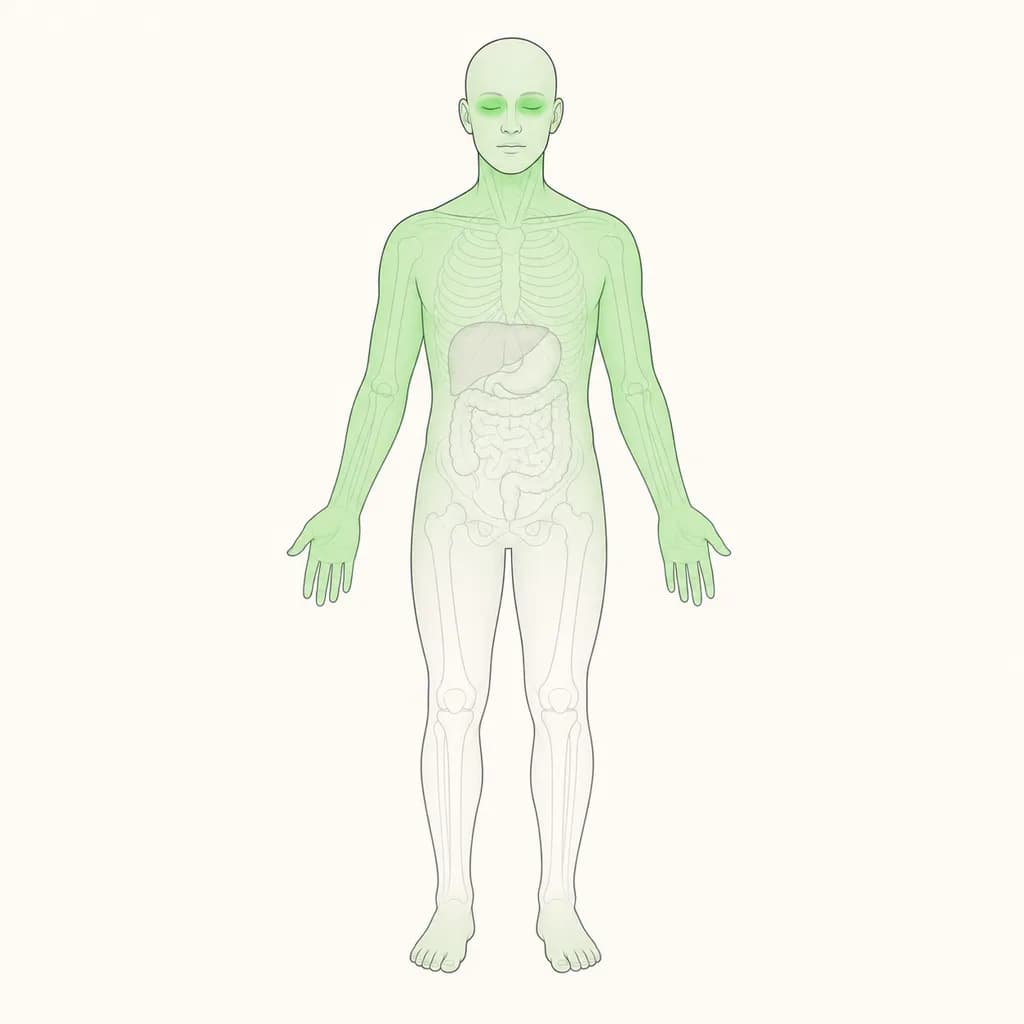
Short answer
Jaundice is a common presentation of Malaria. It may look like yellow eyes or skin and can occur with fever, chills, headache, weakness, dark urine, nausea or abdominal discomfort.
This answers one question. It is not a diagnosis and does not replace an assessment by a licensed doctor.
At a glance
- May appear with
- Fever, chills, headache and marked weakness
- Report
- Travel or residence in a malaria-risk area
- Urgent concern
- Confusion, seizures, collapse or breathing difficulty
How malaria-related jaundice may feel
Jaundice is a colour change rather than a sensation, so it may not hurt or feel different at first. The whites of the eyes can turn yellow, and the skin may look yellow or dull. Malaria can also cause episodes of fever, chills, sweating, headache, body aches and pronounced tiredness. Dark urine may occur when red blood cells break down and bilirubin rises. Nausea, vomiting or discomfort in the upper abdomen can add to the illness.
The pattern may vary, and a fever after travel or residence in a malaria-risk area needs prompt assessment. Other infections and liver conditions can also cause jaundice, so symptoms alone cannot identify the cause.
What to do
Seek same-day medical assessment for jaundice with fever, chills or a recent stay in a malaria-risk area. Tell the clinician where you have travelled, when symptoms began, whether you took preventive medicine and every medicine you have used. Malaria can worsen quickly, so do not rely on home treatment or wait for the fever to settle. Testing is needed before treatment is selected.
Get emergency help
Call emergency services for confusion, fainting, seizures, breathing difficulty, severe weakness, repeated vomiting, inability to drink or a rapidly worsening fever. Jaundice with reduced alertness or collapse is an emergency, particularly after travel to a malaria-risk area.
Questions to ask
Ask which tests will check for malaria and other causes of jaundice, when results are expected, and which warning signs require hospital care. Confirm how to take treatment and whether follow-up testing is needed.
Find care
General Clinics & Polyclinics in Abu Dhabi
That answer is general. If you want it applied to your own case, these are licensed general clinics & polyclinics listed in Abu Dhabi.
27 Ar Ruwwad St - Shakhbout City - MSH4 - Abu Dhabi - United Arab Emirates
Accepts: Daman, Thiqa, Cigna, MetLife +20 more
Al Ruwais, Al Dhafrah
Accepts: Daman, Thiqa, AXA, Cigna +16 more
Al Bahyah - Al Bahyah Old - Abu Dhabi - United Arab Emirates
Accepts: Daman, Thiqa, Cigna, Allianz Care +18 more
Abu Dhabi
Accepts: Daman, Thiqa, AXA, Cigna +27 more
Ordered by verification status and how complete each clinic's public record is, then alphabetically. This is a directory listing, not a ranking — Zavis does not rate or recommend providers.
A factual listing drawn from the DHA, DOH and MOHAP licence registers. It is not a referral, an endorsement, or advice that any of these providers is right for you.
Questions people ask
Can malaria-related jaundice be painless?
Yes. The yellow colour may not hurt, even when fever and body aches are prominent.
Should I wait for a fever before seeking care?
No. Jaundice after possible malaria exposure needs prompt assessment, even if fever is absent at the moment.
Medical disclaimer. This page is general health information, not medical advice, and it cannot diagnose you. Always consult a licensed healthcare provider about your own symptoms and treatment. In an emergency in the UAE, call 998 for an ambulance.