
What Does Dark Urine Feel Like With Hepatitis B?
Short answer
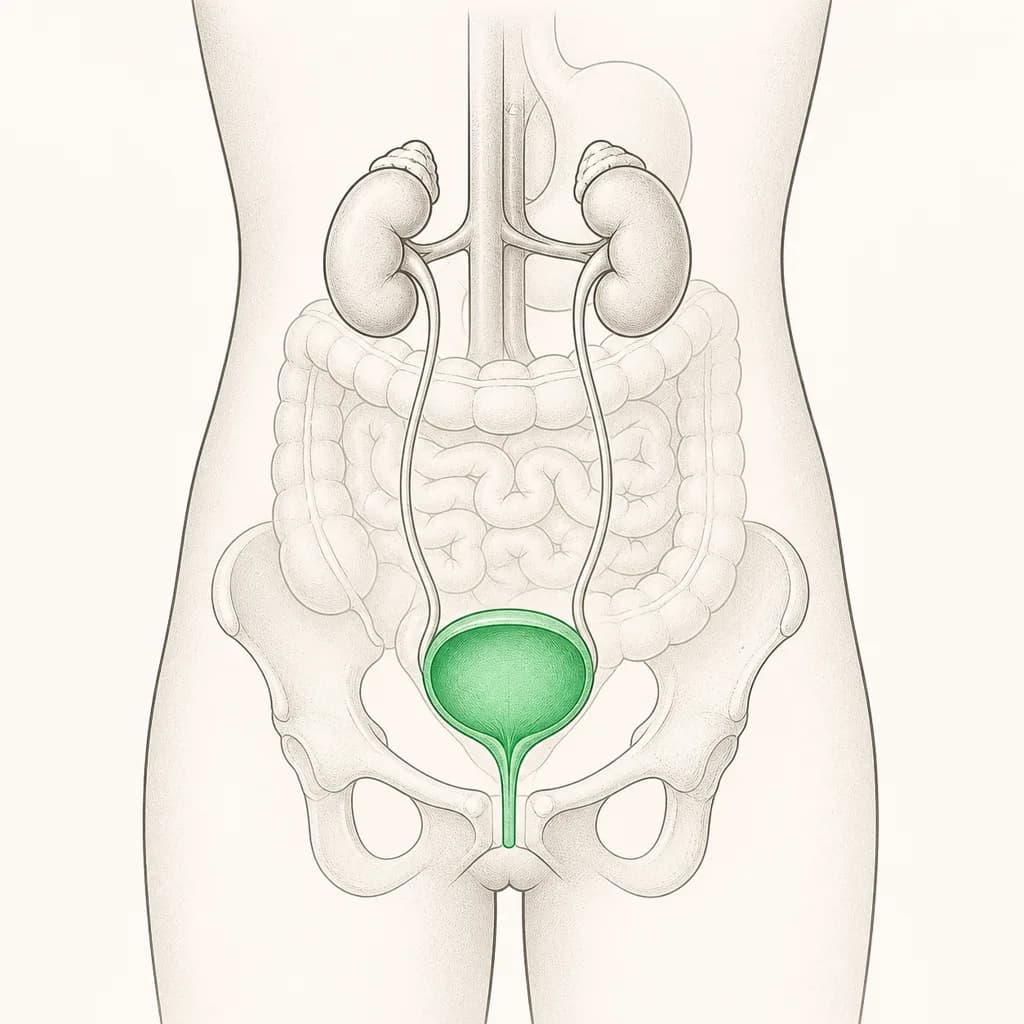
Dark Urine is a common presentation of Hepatitis B. It is usually noticed as deep yellow, brown, or tea-coloured urine rather than a physical sensation; tiredness, nausea, abdominal discomfort, itching, or yellow skin may accompany it.
This answers one question. It is not a diagnosis and does not replace an assessment by a licensed doctor.
At a glance
- How it is noticed
- A deeper urine colour, usually without a urinary sensation
- Possible accompanying signs
- Fatigue, nausea, itching, pale stools, or jaundice
- Useful action
- Arrange assessment and avoid alcohol until advised
How Hepatitis B may affect urine
Hepatitis B can inflame the liver and alter the handling of bile pigments. Those pigments may enter the urine and make it darker. Some people have few symptoms, while others notice poor appetite, nausea, discomfort beneath the ribs, pale stools, or yellowing of the eyes and skin. Dark urine can also result from concentrated urine, medicines, foods, or urinary bleeding, so its appearance cannot establish the cause by itself.
Practical next steps
Arrange a medical assessment if dark urine is new or lasts beyond a short period, particularly with yellowing, marked fatigue, nausea, or abdominal discomfort. Rest and drink normally unless a clinician has given you fluid restrictions. Avoid alcohol and do not start supplements or non-prescribed medicines without checking first. Until you know the cause, do not share razors or toothbrushes, and use safer sex practices; ask a clinician about testing and vaccination for close contacts.
When to seek care
Get urgent care for confusion, unusual sleepiness, fainting, severe abdominal pain, persistent vomiting, bleeding, or inability to drink. Prompt review is needed for worsening jaundice, very pale stools, markedly reduced urine, or rapidly increasing illness. A clinician can decide whether liver blood tests, urine testing, or further evaluation is appropriate.
Questions for your doctor
Ask which tests can identify current or past Hepatitis B infection and whether your liver needs monitoring. Share possible exposure, vaccination history, medicines, alcohol use, and the timing of urine colour changes. Ask how to protect people you live with, whether they need testing, and which symptoms should prompt an immediate call.
Find care
General Clinics & Polyclinics in Abu Dhabi
That answer is general. If you want it applied to your own case, these are licensed general clinics & polyclinics listed in Abu Dhabi.
27 Ar Ruwwad St - Shakhbout City - MSH4 - Abu Dhabi - United Arab Emirates
Accepts: Daman, Thiqa, Cigna, MetLife +20 more
Al Ruwais, Al Dhafrah
Accepts: Daman, Thiqa, AXA, Cigna +16 more
Al Bahyah - Al Bahyah Old - Abu Dhabi - United Arab Emirates
Accepts: Daman, Thiqa, Cigna, Allianz Care +18 more
Abu Dhabi
Accepts: Daman, Thiqa, AXA, Cigna +27 more
Ordered by verification status and how complete each clinic's public record is, then alphabetically. This is a directory listing, not a ranking — Zavis does not rate or recommend providers.
A factual listing drawn from the DHA, DOH and MOHAP licence registers. It is not a referral, an endorsement, or advice that any of these providers is right for you.
Questions people ask
Is dark urine from Hepatitis B painful?
It is generally a colour change rather than pain. Burning, urgency, or side pain may point to a separate urinary problem.
Can someone have Hepatitis B without dark urine?
Yes. Some people have few or no noticeable symptoms, so testing is important after a possible exposure or when a clinician recommends it.
Related
Related reading
Keep reading
Medical disclaimer. This page is general health information, not medical advice, and it cannot diagnose you. Always consult a licensed healthcare provider about your own symptoms and treatment. In an emergency in the UAE, call 998 for an ambulance.