
What does change in bowel habits feel like with immunotherapy side effects?
Short answer
Change in bowel habits is a common presentation of immunotherapy side effects and may include new diarrhoea, constipation, urgency, cramps, or narrower stools.
This answers one question. It is not a diagnosis and does not replace an assessment by a licensed doctor.
At a glance
- Possible changes
- Diarrhoea, constipation, urgency, cramps, or narrower stools
- Useful record
- Timing, stool pattern, pain, temperature, fluids, and medicines
- First contact
- Your oncology team
The short answer
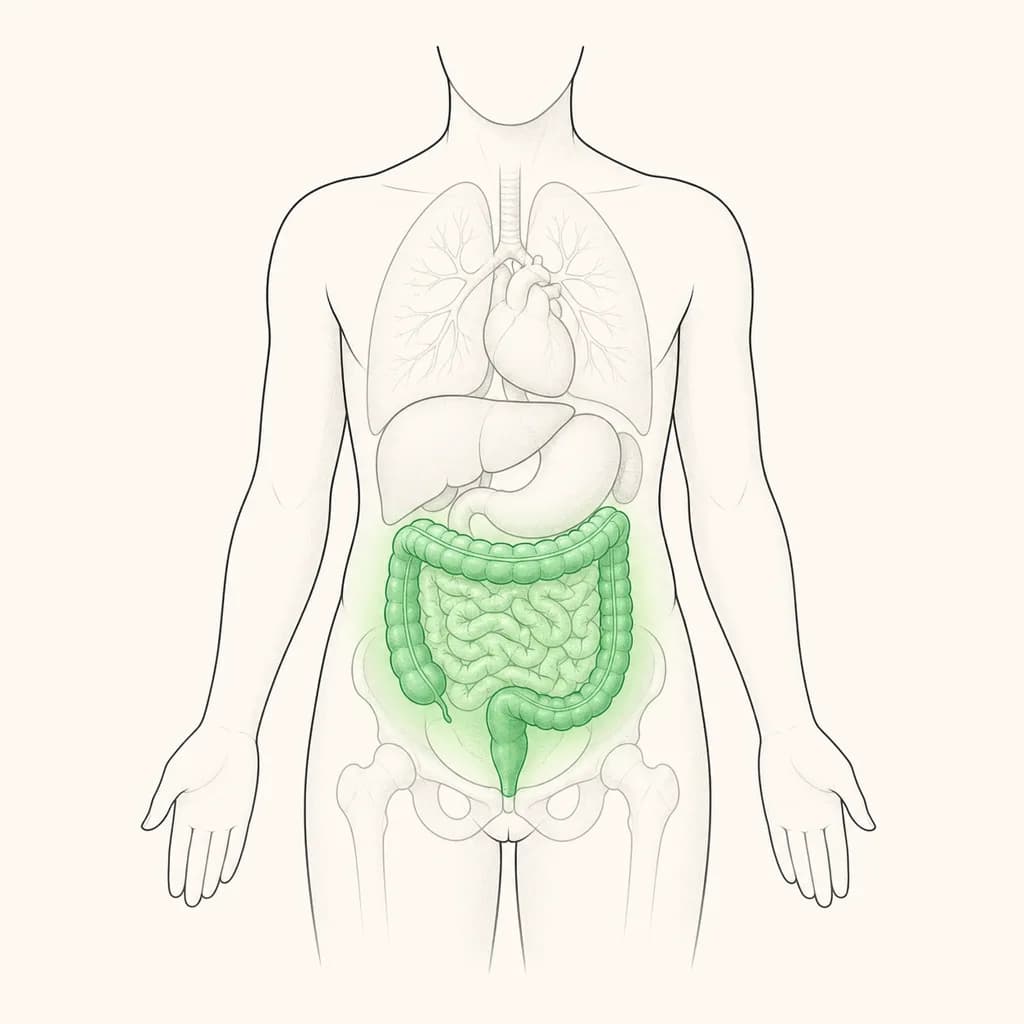
Change in bowel habits is a common presentation of immunotherapy side effects and may include new diarrhoea, constipation, urgency, cramps, or narrower stools. The change can be mild or disruptive, and it may occur with bloating, mucus, or a feeling that you still need to open your bowels. Tell your oncology team about a new pattern, even if you are unsure whether treatment caused it.
How it may feel
Most people with immunotherapy side effects notice change in bowel habits as a difference from their usual routine. You might pass loose or watery stools more often, need to reach a toilet quickly, or develop abdominal soreness and cramping. Some people instead become constipated, pass hard stools, strain, or feel incompletely emptied. A change in stool shape, colour, or the presence of mucus can also be useful to report. Similar symptoms can have causes unrelated to immunotherapy, so the pattern and timing matter more than any single bowel movement.
What to do when it starts
Contact your oncology team promptly and describe when the change began, how often you are passing stool, and whether you have pain, fever, vomiting, blood, or reduced urine. Keep drinking fluids unless your care team has given you a fluid restriction. Write down medicines, laxatives, antibiotics, and foods that may have changed recently. Do not start an anti-diarrhoeal medicine or laxative, or stop cancer treatment, without advice from the team managing your immunotherapy.
When to seek urgent care
Seek urgent medical help for severe or worsening abdominal pain, repeated vomiting, faintness, confusion, marked weakness, inability to keep fluids down, black stools, or visible blood. Contact your oncology service urgently for frequent watery stools, new fever, signs of dehydration such as very little urine or a dry mouth, or a swollen and tender abdomen. These symptoms can reflect inflammation of the bowel or another problem that needs assessment; do not wait for the next planned treatment visit.
Questions for your doctor
Ask which symptoms should trigger a same-day call, whether you should change your diet or fluid intake, and which medicines are safe for your particular bowel pattern. You can also ask whether immunotherapy should be paused while the cause is checked and what tests might be needed. Bring a record of stool frequency, consistency, pain, temperature, and recent medicines to make the discussion more useful.
Questions people ask
Can immunotherapy cause both diarrhoea and constipation?
Yes. Immunotherapy-related bowel changes may involve loose stools and urgency, or hard stools, straining, and incomplete emptying. Report either new pattern to your oncology team.
Should I take an over-the-counter bowel medicine?
Ask your oncology team first. The right action depends on whether the change is diarrhoea, constipation, infection, inflammation, or another cause.
Related
Related reading
Keep reading
Cancer care in the UAE
Hospitals & Medical Centers in Abu Dhabi
Most UAE cancer care is delivered inside hospital services rather than by standalone oncology clinics, so these are licensed hospitals & medical centers listed in Abu Dhabi. Confirm the specific cancer service exists before you travel, and know that asking for a second opinion is routine.
Ahalia Hospital Musaffah Building - Musaffah - Musaffah Industrial - Abu Dhabi - United Arab Emirates
Accepts: Daman, Thiqa, AXA, Cigna +26 more
Al Ruwais Industrial City - Abu Dhabi - United Arab Emirates
Accepts: Daman, Thiqa, AXA, Cigna +30 more
Abu Dhabi, Abu Dhabi
Accepts: Daman, Thiqa, AXA, Cigna +30 more
Second opinions are routine in cancer care and asking for one does not affect your treatment. How to arrange a second opinion in the UAE.
Ordered by verification status and how complete each clinic's public record is, then alphabetically. This is a directory listing, not a ranking — Zavis does not rate or recommend providers.
A factual listing drawn from the DHA, DOH and MOHAP licence registers. It is not a referral, an endorsement, or advice that any of these providers is right for you.
Medical disclaimer. This page is general health information, not medical advice, and it cannot diagnose you. Always consult a licensed healthcare provider about your own symptoms and treatment. In an emergency in the UAE, call 998 for an ambulance.