
What are the treatment options for drug allergy?
Short answer
Treatment for drug allergy may include stopping the suspected medicine safely, treating the reaction, emergency care for anaphylaxis, and allergy assessment.
This answers one question. It is not a diagnosis and does not replace an assessment by a licensed doctor.
At a glance
- Record
- Medicine name, timing, dose, symptoms, and treatment taken
- Emergency signs
- Breathing difficulty, swelling of the throat or tongue, faintness, or collapse
How suspected allergy is handled
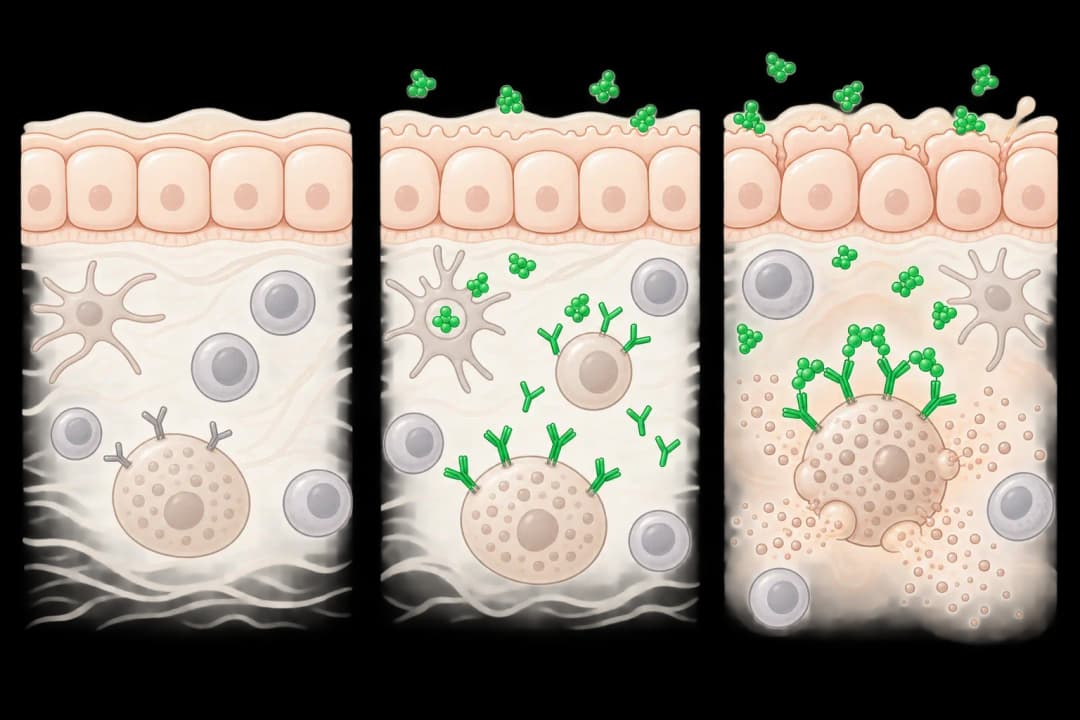
A reaction may cause a rash, itching, swelling, wheeze, vomiting, dizziness, or fainting. A clinician considers when symptoms began, the dose and route of the medicine, other medicines, and previous reactions. Some rashes or side effects are not allergies, so accurate assessment helps prevent an unsuitable allergy label.
The suspected medicine may be stopped, replaced, or continued only under medical direction. Treatment can include antihistamines for selected skin symptoms and other medicines or observation for more serious reactions. [Allergy Testing](/treatments/diagnostics-and-screening/allergy-testing/) may help clarify which medicines should be avoided, although testing is not suitable for every drug or reaction.
What to do next
Contact a [GP Consultation](/treatments/consultations-and-assessment/gp-consultation/) promptly and record the medicine name, dose, timing, symptoms, and any treatment already taken. Do not restart the suspected medicine or borrow a replacement. Keep an updated allergy record and show it to every clinician, dentist, and pharmacist. Ask whether related medicines are safe before taking them.
When to seek emergency care
Call emergency services for trouble breathing, throat or tongue swelling, faintness, collapse, severe wheezing, or rapidly spreading symptoms. These can indicate anaphylaxis and need immediate treatment. A mild rash can also worsen, so seek urgent advice if it spreads quickly, forms blisters, affects the mouth or eyes, or comes with fever.
Questions for your doctor
Was this allergy, a side effect, or another reaction? Should I stop the medicine now? Which alternatives are safe? Do I need allergy testing? How should the reaction be recorded for future care?
Find care
General Clinics & Polyclinics in Abu Dhabi
That answer is general. If you want it applied to your own case, these are licensed general clinics & polyclinics listed in Abu Dhabi.
27 Ar Ruwwad St - Shakhbout City - MSH4 - Abu Dhabi - United Arab Emirates
Accepts: Daman, Thiqa, Cigna, MetLife +20 more
Al Ruwais, Al Dhafrah
Accepts: Daman, Thiqa, AXA, Cigna +16 more
Al Bahyah - Al Bahyah Old - Abu Dhabi - United Arab Emirates
Accepts: Daman, Thiqa, Cigna, Allianz Care +18 more
Abu Dhabi
Accepts: Daman, Thiqa, AXA, Cigna +27 more
Ordered by verification status and how complete each clinic's public record is, then alphabetically. This is a directory listing, not a ranking — Zavis does not rate or recommend providers.
A factual listing drawn from the DHA, DOH and MOHAP licence registers. It is not a referral, an endorsement, or advice that any of these providers is right for you.
Questions people ask
Should I stop a medicine after a rash?
Contact a clinician promptly for advice because the correct action depends on the medicine, rash, and reason it was prescribed. Do not restart it without guidance.
Can a drug allergy be confirmed?
Sometimes. A detailed history and selected allergy testing may clarify the reaction, but no single test fits every medicine or situation.
Related
Related reading
Keep reading
Medical disclaimer. This page is general health information, not medical advice, and it cannot diagnose you. Always consult a licensed healthcare provider about your own symptoms and treatment. In an emergency in the UAE, call 998 for an ambulance.