
Vitamin D and postpartum depression: what to know
Short answer
Low vitamin D can coexist with postpartum depression, but it does not diagnose depression or replace mental-health treatment.
This answers one question. It is not a diagnosis and does not replace an assessment by a licensed doctor.
At a glance
- Vitamin D
- May be assessed as part of general health care
- Mood symptoms
- Need direct assessment and support
- Emergency concern
- Thoughts of harm or loss of reality
How the two issues relate
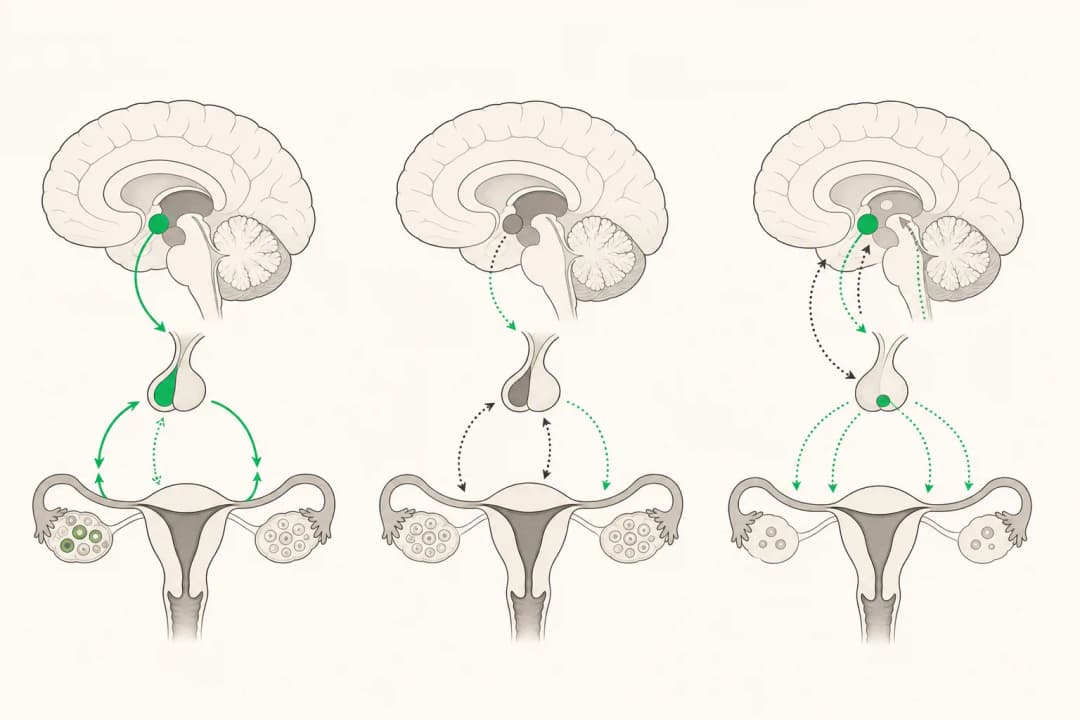
After birth, sleep disruption, physical recovery, hormonal shifts, feeding pressures, and emotional strain can affect mood. Postpartum depression may involve persistent sadness, numbness, guilt, loss of enjoyment, worry, or difficulty bonding. Low vitamin D may be checked as part of a broader health review, but a result cannot explain all emotional symptoms on its own.
Low mood after birth deserves attention whether or not a vitamin level is low. Depression is a health condition, not a personal failure, and support can include talking therapy, practical help, medicines, or specialist perinatal care.
Steps that can help
Tell a trusted person and contact your maternity team, family doctor, or mental-health service if mood symptoms persist or interfere with eating, sleeping, caring for yourself, or caring for your baby. Ask whether vitamin D testing is appropriate and share every supplement or medicine you use, especially while breastfeeding.
Accept practical help with meals, rest, transport, and baby care. Small periods of sleep and connection may support recovery, but they are not substitutes for assessment. Treatment choices can be tailored to feeding plans, previous mental-health history, and current symptoms.
When to seek care
Seek urgent help if you think you may harm yourself or your baby, cannot stay safe, feel detached from reality, or hear or see things others do not. Contact emergency services or go to an emergency department, and ask someone trusted to stay with you.
Questions for your doctor
Could my symptoms fit postnatal depression or another condition? Should my vitamin D level or other physical health be checked? Which treatments are compatible with breastfeeding? Who can provide perinatal mental-health support if symptoms worsen?
Find care
General Clinics & Polyclinics in Abu Dhabi
That answer is general. If you want it applied to your own case, these are licensed general clinics & polyclinics listed in Abu Dhabi.
27 Ar Ruwwad St - Shakhbout City - MSH4 - Abu Dhabi - United Arab Emirates
Accepts: Daman, Thiqa, Cigna, MetLife +20 more
Al Ruwais, Al Dhafrah
Accepts: Daman, Thiqa, AXA, Cigna +16 more
Al Bahyah - Al Bahyah Old - Abu Dhabi - United Arab Emirates
Accepts: Daman, Thiqa, Cigna, Allianz Care +18 more
Abu Dhabi
Accepts: Daman, Thiqa, AXA, Cigna +27 more
Ordered by verification status and how complete each clinic's public record is, then alphabetically. This is a directory listing, not a ranking — Zavis does not rate or recommend providers.
A factual listing drawn from the DHA, DOH and MOHAP licence registers. It is not a referral, an endorsement, or advice that any of these providers is right for you.
Questions people ask
Can vitamin D supplements cure postpartum depression?
No. Supplements may be appropriate for a deficiency, but depression needs an individual mental-health assessment and treatment plan.
Should I wait for a vitamin D test before seeking help?
No. Contact a healthcare professional promptly if low mood, anxiety, or frightening thoughts are affecting you after birth.
Related
Related reading
Keep reading
Medical disclaimer. This page is general health information, not medical advice, and it cannot diagnose you. Always consult a licensed healthcare provider about your own symptoms and treatment. In an emergency in the UAE, call 998 for an ambulance.