
What should you know about vaccination against cholera?
Short answer
Cholera vaccination can reduce the risk of cholera for some people, but safe food, water and prompt rehydration remain essential.
This answers one question. It is not a diagnosis and does not replace an assessment by a licensed doctor.
At a glance
- Vaccine route
- Usually taken by mouth
- Protection plan
- Combine vaccination with safe water and food habits
- Main danger
- Rapid dehydration from severe diarrhoea
What cholera vaccination means
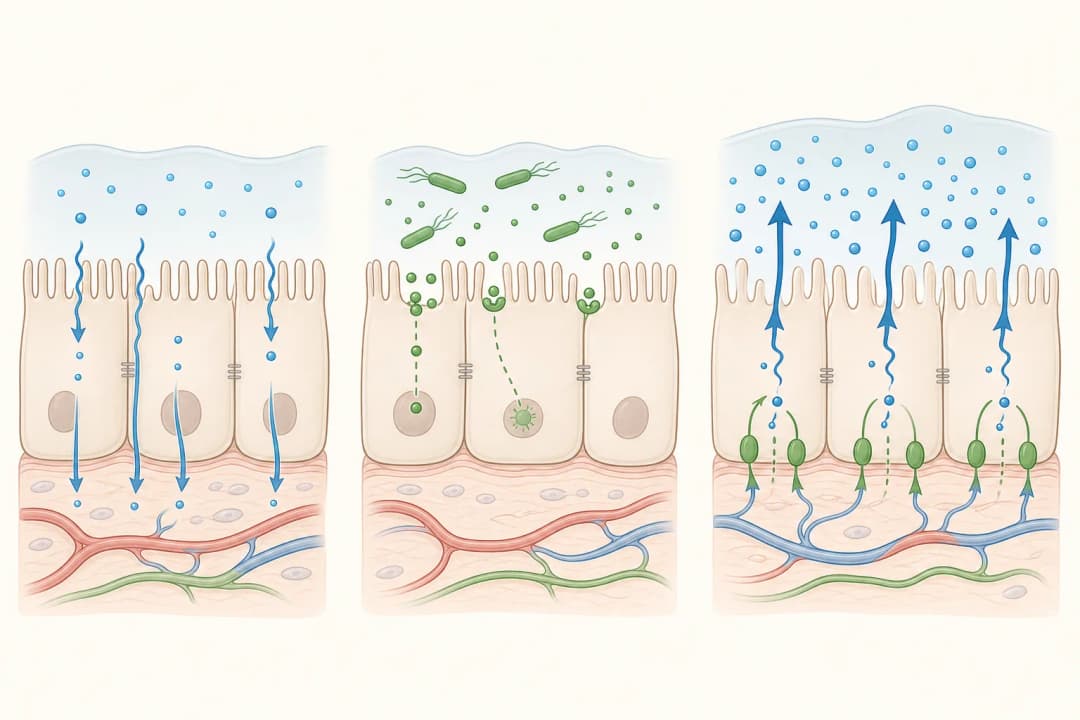
Cholera is an infection that can cause sudden, profuse watery diarrhoea and rapid loss of fluid. An oral vaccine is designed for selected situations, such as travel or living in an area where cholera transmission is a concern. Protection is not a substitute for drinking treated water, washing hands, and choosing food that is cooked and served hot. Ask a clinician or travel health service whether the vaccine fits your destination, health history and plans.
What to do before and after vaccination
Arrange advice before travel so there is time to review the recommended schedule. Tell the clinician about pregnancy, immune problems, severe allergies, current illness and medicines. Follow the product instructions about food and drink around each dose. During travel, use sealed or treated water, avoid raw foods that cannot be peeled, and carry oral rehydration supplies. If diarrhoea develops, begin oral rehydration therapy promptly and seek advice if fluids are difficult to keep down.
When to seek care
Urgent assessment is needed for frequent watery diarrhoea, faintness, confusion, very little urine, a dry mouth, sunken eyes or marked weakness. These can signal serious dehydration, which may worsen quickly. Seek emergency help if the person collapses, cannot drink, or becomes unusually drowsy. Hospital treatment may include IV fluid therapy when drinking is not enough or dehydration is severe. See a clinician promptly after travel if diarrhoea persists or is accompanied by fever or blood.
Questions for your doctor
Ask whether vaccination is advised for your destination, which doses are appropriate, how long protection is expected to last, and what precautions remain necessary. Check what to do if diarrhoea begins and where to obtain urgent help while travelling.
Find care
General Clinics & Polyclinics in Abu Dhabi
That answer is general. If you want it applied to your own case, these are licensed general clinics & polyclinics listed in Abu Dhabi.
27 Ar Ruwwad St - Shakhbout City - MSH4 - Abu Dhabi - United Arab Emirates
Accepts: Daman, Thiqa, Cigna, MetLife +20 more
Al Ruwais, Al Dhafrah
Accepts: Daman, Thiqa, AXA, Cigna +16 more
Al Bahyah - Al Bahyah Old - Abu Dhabi - United Arab Emirates
Accepts: Daman, Thiqa, Cigna, Allianz Care +18 more
Abu Dhabi
Accepts: Daman, Thiqa, AXA, Cigna +27 more
Ordered by verification status and how complete each clinic's public record is, then alphabetically. This is a directory listing, not a ranking — Zavis does not rate or recommend providers.
A factual listing drawn from the DHA, DOH and MOHAP licence registers. It is not a referral, an endorsement, or advice that any of these providers is right for you.
Questions people ask
Does vaccination prevent every case of cholera?
No. It may lower risk in appropriate situations, but food, water and hygiene precautions still matter.
What is the first response to watery diarrhoea?
Start oral rehydration promptly and obtain medical advice, especially if drinking is difficult or dehydration signs appear.
Related
Related reading
Keep reading
Medical disclaimer. This page is general health information, not medical advice, and it cannot diagnose you. Always consult a licensed healthcare provider about your own symptoms and treatment. In an emergency in the UAE, call 998 for an ambulance.