
What should you know about a urologist for kidney stones?
Short answer
A urologist can assess kidney stones, look for urinary blockage or infection, and discuss treatment suited to the stone’s position and your symptoms.
This answers one question. It is not a diagnosis and does not replace an assessment by a licensed doctor.
At a glance
- Specialist
- Urologist
- Common checks
- Urine testing and imaging
- Urgent warning
- Fever with urinary symptoms or inability to pass urine
What a urologist does
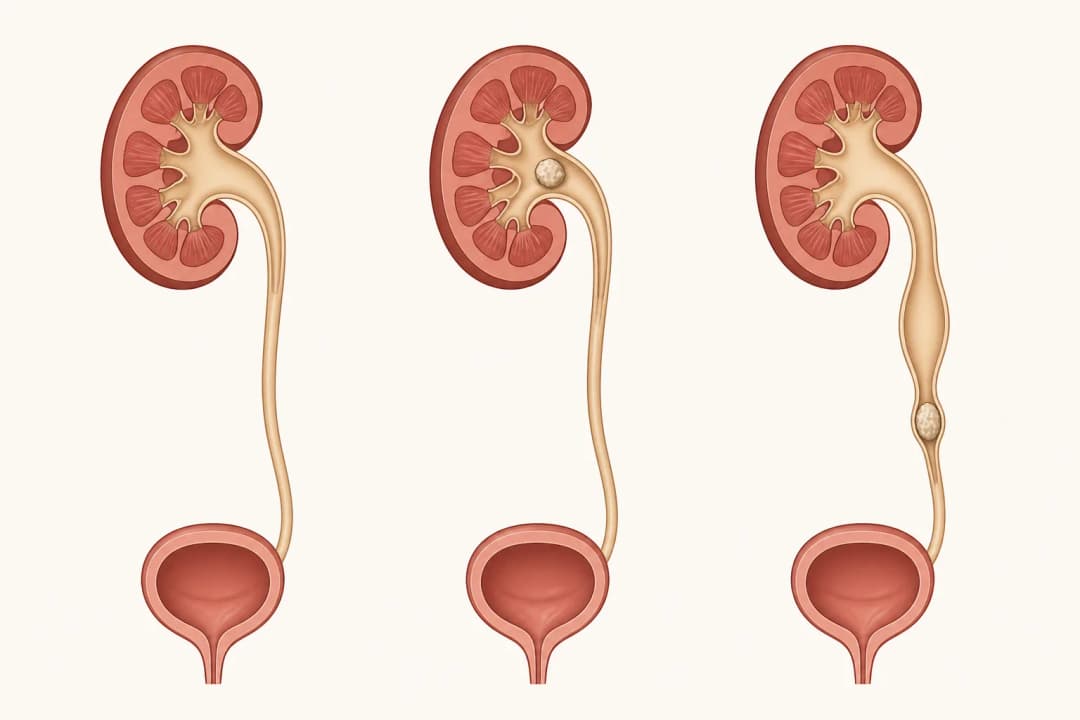
Urologists specialise in the urinary tract and the organs that make or carry urine. For a suspected stone, they may review your pain pattern, urine symptoms, medical history and any scans. A stone can sit in the kidney or move into the ureter, the narrow tube leading to the bladder. Its location and size help guide the next step.
Assessment may include urine testing, blood tests or imaging such as an abdominal ultrasound. The aim is to identify a stone, check whether urine can drain, and look for signs that need prompt treatment. A GP can help arrange an initial assessment, while a urologist is useful when symptoms persist, a stone is causing obstruction, or specialist treatment may be needed.
Preparing for the appointment
Take a list of medicines, allergies and previous stone episodes. Note when the pain began, where it travels, whether you have vomited, and any change in urine. Mention fever, painful urination, difficulty passing urine or reduced fluid intake. Bring reports or images from earlier tests if available.
Do not take leftover antibiotics or someone else’s pain medicine. Ask which pain relief and fluid intake are appropriate for you, particularly if you have kidney disease, are pregnant, or take regular medicines. Treatment may involve observation, symptom control, a procedure to remove or break up the stone, or another plan chosen after assessment.
When to seek urgent care
Seek urgent medical care for severe or worsening flank or abdominal pain, fever or chills with urinary symptoms, repeated vomiting, faintness, or difficulty passing urine. A blocked urinary system with infection can become serious and needs prompt assessment. Do not wait for a routine specialist appointment if these warning signs appear.
Questions to ask
Ask: Where is the stone, and is urine flow blocked? Do I need an abdominal ultrasound or another scan? What symptoms mean I should return urgently? Is monitoring reasonable, and how will we know whether the stone has passed? Which treatment options fit my health history? How can I reduce the chance of another stone?
Find care
General Clinics & Polyclinics in Abu Dhabi
That answer is general. If you want it applied to your own case, these are licensed general clinics & polyclinics listed in Abu Dhabi.
27 Ar Ruwwad St - Shakhbout City - MSH4 - Abu Dhabi - United Arab Emirates
Accepts: Daman, Thiqa, Cigna, MetLife +20 more
Al Ruwais, Al Dhafrah
Accepts: Daman, Thiqa, AXA, Cigna +16 more
Al Bahyah - Al Bahyah Old - Abu Dhabi - United Arab Emirates
Accepts: Daman, Thiqa, Cigna, Allianz Care +18 more
Abu Dhabi
Accepts: Daman, Thiqa, AXA, Cigna +27 more
Ordered by verification status and how complete each clinic's public record is, then alphabetically. This is a directory listing, not a ranking — Zavis does not rate or recommend providers.
A factual listing drawn from the DHA, DOH and MOHAP licence registers. It is not a referral, an endorsement, or advice that any of these providers is right for you.
Questions people ask
Do all kidney stones need a urologist?
No. Some stones can be monitored with medical guidance, but specialist review may be needed for obstruction, ongoing pain, infection, or a stone that does not pass.
Can a GP refer me to a urologist?
Yes. A GP can assess your symptoms, arrange initial tests and refer you when specialist evaluation is appropriate.
Related
Related reading
Keep reading
Medical disclaimer. This page is general health information, not medical advice, and it cannot diagnose you. Always consult a licensed healthcare provider about your own symptoms and treatment. In an emergency in the UAE, call 998 for an ambulance.