
Torn MCL and Meniscus: What to Know
Short answer
Torn MCL and meniscus treatment depends on knee stability, locking, tear pattern, symptoms and how safely function can be restored.
This answers one question. It is not a diagnosis and does not replace an assessment by a licensed doctor.
At a glance
- MCL location
- Inner side of the knee
- Meniscus role
- Helps distribute load between the knee bones
How the injuries differ
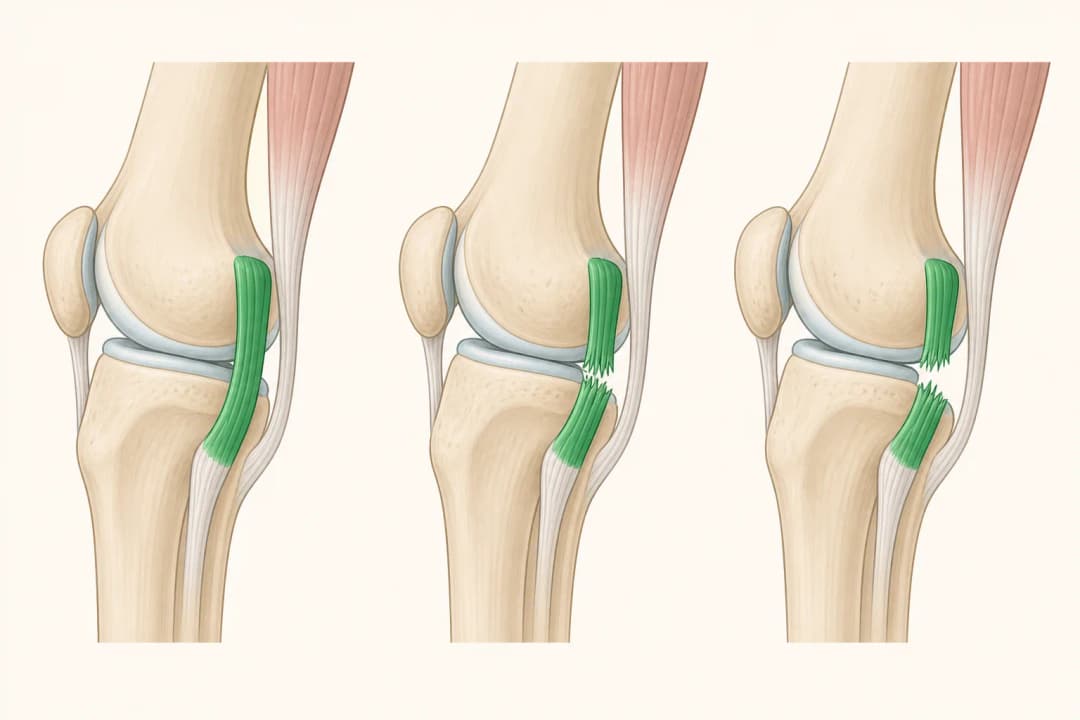
The medial collateral ligament, or MCL, supports the inner side of the knee. The meniscus is a shock-absorbing cartilage structure between the thigh and shin bones. A twisting or side-impact injury can affect both. Inner-knee tenderness and swelling may occur with an MCL injury; catching, painful clicking or locking can point towards meniscal involvement, although symptoms overlap. Examination and sometimes imaging help define the injury.
Managing the knee
Reduce twisting, pivoting, deep squats and impact while the knee is painful or unstable. A clinician may recommend Knee Bracing for protection during a phase of healing. Keep movement within a comfortable range and follow a graded strengthening plan. Physiotherapy can address swelling, knee motion, quadriceps control and balance. If sport is a goal, a Return-to-Sport Programme can test running, landing and change of direction progressively rather than relying on a calendar.
When to seek care
Seek prompt assessment if the knee locks, repeatedly gives way, becomes rapidly swollen or cannot bear weight. Emergency care is appropriate after major trauma with deformity, severe pain, numbness or a cold foot. Arrange review if pain, limited movement or instability continues despite reducing aggravating activity.
Questions worth asking
Ask whether the MCL is stable, whether the meniscus is displaced, what movements are restricted and whether a brace is needed. Ask how rehabilitation will protect the ligament while maintaining knee motion, and which tests mark readiness for work or sport.
Find care
General Clinics & Polyclinics in Abu Dhabi
That answer is general. If you want it applied to your own case, these are licensed general clinics & polyclinics listed in Abu Dhabi.
27 Ar Ruwwad St - Shakhbout City - MSH4 - Abu Dhabi - United Arab Emirates
Accepts: Daman, Thiqa, Cigna, MetLife +20 more
Al Ruwais, Al Dhafrah
Accepts: Daman, Thiqa, AXA, Cigna +16 more
Al Bahyah - Al Bahyah Old - Abu Dhabi - United Arab Emirates
Accepts: Daman, Thiqa, Cigna, Allianz Care +18 more
Abu Dhabi
Accepts: Daman, Thiqa, AXA, Cigna +27 more
Ordered by verification status and how complete each clinic's public record is, then alphabetically. This is a directory listing, not a ranking — Zavis does not rate or recommend providers.
A factual listing drawn from the DHA, DOH and MOHAP licence registers. It is not a referral, an endorsement, or advice that any of these providers is right for you.
Questions people ask
Does every combined injury need surgery?
No single treatment fits every case; stability, locking, tear features, symptoms and functional goals guide the decision.
Can I exercise with a torn MCL and meniscus?
Gentle, prescribed movement may be useful, but avoid twisting and impact until a clinician confirms what the knee can safely tolerate.
Related
Related reading
Keep reading
Medical disclaimer. This page is general health information, not medical advice, and it cannot diagnose you. Always consult a licensed healthcare provider about your own symptoms and treatment. In an emergency in the UAE, call 998 for an ambulance.