
What should you know about topiramate and kidney stones?
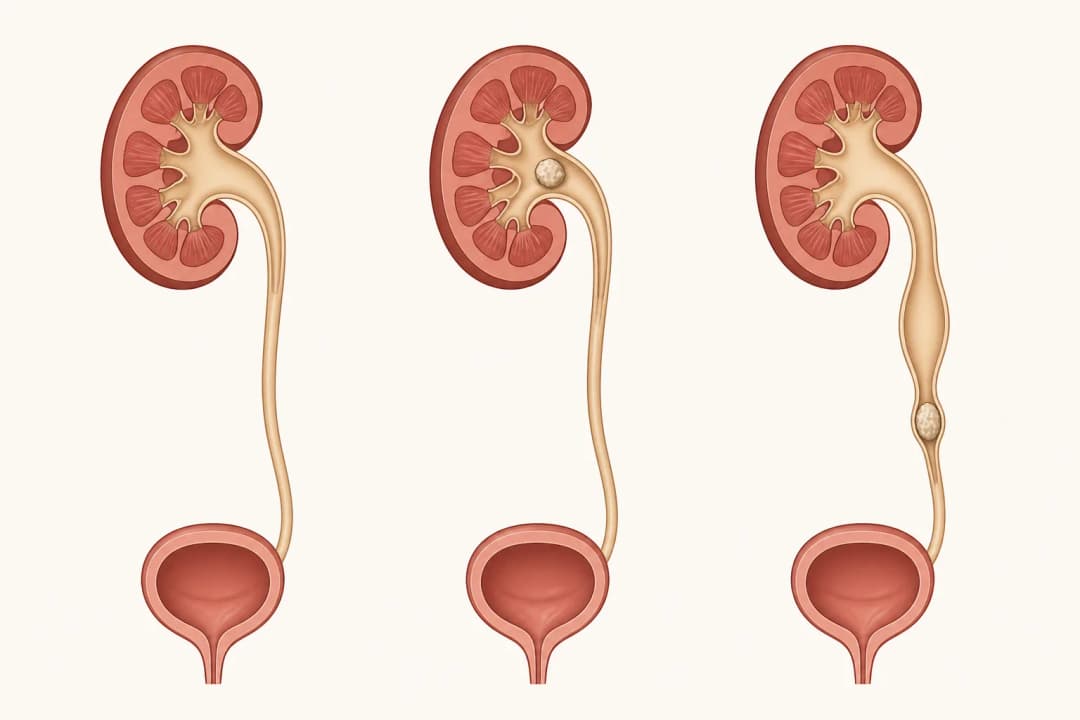
Short answer
Topiramate can change urine chemistry and may contribute to kidney stones, so new flank pain or urinary symptoms should be assessed while prescribed treatment continues unless a clinician advises otherwise.
This answers one question. It is not a diagnosis and does not replace an assessment by a licensed doctor.
At a glance
- Possible link
- Topiramate can alter urine chemistry
- Symptoms to report
- Flank pain, painful urination, vomiting, or difficulty passing urine
- Do not do alone
- Stop or change the prescribed medicine without advice
Why topiramate matters
Topiramate may alter the way the kidneys handle acid and mineral salts. In some people, that change supports crystal formation. Dehydration makes urine more concentrated and may add to the risk, especially with heat exposure, vomiting, diarrhoea, or poor fluid intake.
A stone can cause flank or abdominal pain, waves of cramping, painful urination, nausea, or difficulty passing urine. Blood in the urine can occur. These findings are not specific to stones, so a clinician may need to examine you and arrange testing rather than relying on symptoms alone.
Plan the next step
Tell the prescriber about any previous stones, new pain, urinary changes, or difficulty maintaining fluids. Ask what fluid intake is appropriate for your health; people with heart or kidney disease may need personalised guidance. Keep taking topiramate as prescribed until you receive advice, unless an urgent clinician tells you otherwise.
A GP consultation can review your medicines, dose, health history, hydration, and symptoms. Depending on the findings, urine or blood tests and an abdominal ultrasound may help assess the kidneys and urinary tract. Note when symptoms began, where pain travels, and whether fever or vomiting is present.
When to seek care
Seek urgent care for severe pain, fever or chills, repeated vomiting, inability to pass urine, faintness, confusion, or rapidly worsening weakness. Fever with flank pain or urinary difficulty can signal infection or obstruction and needs prompt attention.
Questions for your doctor
Ask whether your symptoms fit a kidney stone, whether topiramate or another medicine changes your risk, and which tests are appropriate. Ask how to hydrate safely, whether your dose needs review, and which warning signs mean you should go straight to urgent care.
Find care
General Clinics & Polyclinics in Abu Dhabi
That answer is general. If you want it applied to your own case, these are licensed general clinics & polyclinics listed in Abu Dhabi.
27 Ar Ruwwad St - Shakhbout City - MSH4 - Abu Dhabi - United Arab Emirates
Accepts: Daman, Thiqa, Cigna, MetLife +20 more
Al Ruwais, Al Dhafrah
Accepts: Daman, Thiqa, AXA, Cigna +16 more
Al Bahyah - Al Bahyah Old - Abu Dhabi - United Arab Emirates
Accepts: Daman, Thiqa, Cigna, Allianz Care +18 more
Abu Dhabi
Accepts: Daman, Thiqa, AXA, Cigna +27 more
Ordered by verification status and how complete each clinic's public record is, then alphabetically. This is a directory listing, not a ranking — Zavis does not rate or recommend providers.
A factual listing drawn from the DHA, DOH and MOHAP licence registers. It is not a referral, an endorsement, or advice that any of these providers is right for you.
Questions people ask
Does topiramate mean I will develop a kidney stone?
No. It may increase risk in some people, but symptoms need assessment because several conditions can cause similar pain.
What test might check for a stone?
A clinician may use urine or blood tests and, when appropriate, an abdominal ultrasound.
Related
Related reading
Keep reading
Medical disclaimer. This page is general health information, not medical advice, and it cannot diagnose you. Always consult a licensed healthcare provider about your own symptoms and treatment. In an emergency in the UAE, call 998 for an ambulance.