
What should you know about topamax and kidney stones?
Short answer
Topamax can alter urine chemistry and may increase kidney-stone risk, so new flank pain or urinary symptoms should be assessed without stopping the medicine abruptly.
This answers one question. It is not a diagnosis and does not replace an assessment by a licensed doctor.
At a glance
- Medicine name
- Topamax is a brand name for topiramate
- Possible symptoms
- Flank pain, painful urination, blood in urine, or difficulty passing urine
- Medication safety
- Speak with the prescriber before changing treatment
How the connection works
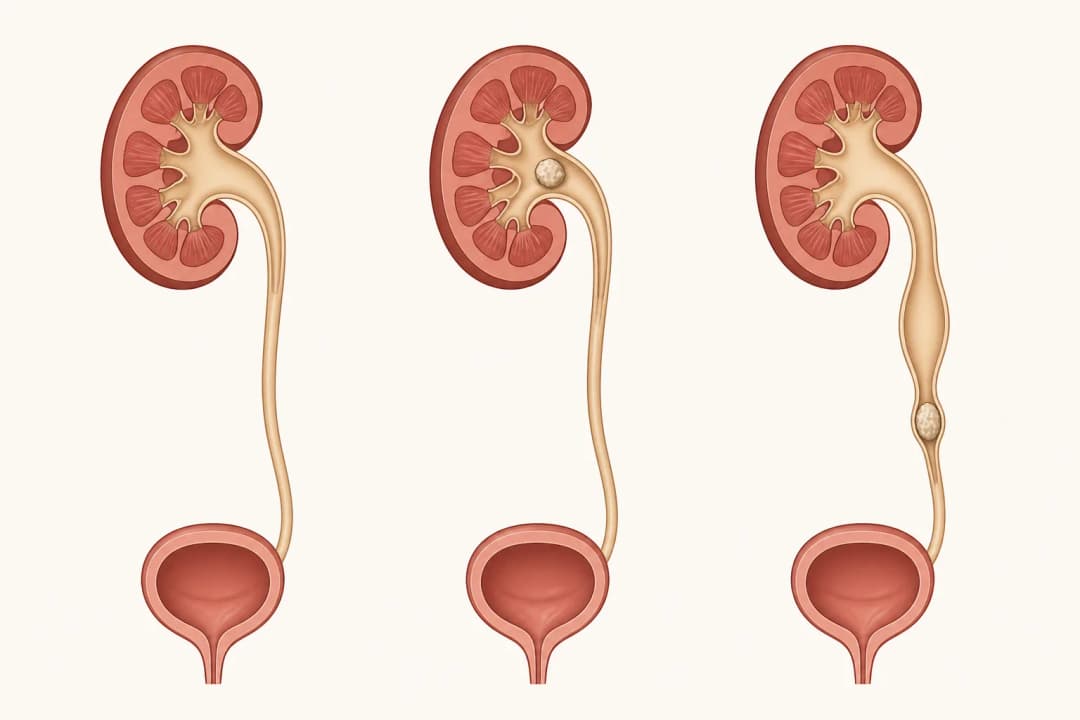
Topamax is a brand name for topiramate. It can affect the balance of acids and salts handled by the kidneys, which can make crystal formation more likely in some people. Dehydration can concentrate urine and add to the strain, particularly during hot weather, vomiting, diarrhoea, or heavy exercise.
Possible stone symptoms include sharp flank or abdominal pain, pain that comes in waves, painful urination, blood in the urine, nausea, or difficulty passing urine. These symptoms can have other causes, so they do not confirm a stone by themselves.
Practical next steps
Contact the prescriber or a GP if you develop new urinary symptoms, recurrent stone symptoms, or difficulty keeping fluids down. Ask how much fluid is suitable for you; people with heart or kidney conditions may need individual limits. Do not change or stop topiramate suddenly, because the underlying condition may worsen or withdrawal may be unsafe.
A clinician may review your dose, other medicines, previous stones, hydration, and relevant medical conditions. Testing can include urine or blood checks and, when appropriate, an abdominal ultrasound. Keep a record of pain location, urine changes, fever, and when your last dose was taken.
When to seek care
Seek urgent care for severe or persistent pain, fever or chills with urinary symptoms, repeated vomiting, inability to pass urine, faintness, or marked weakness. A blocked urinary system with infection can become serious, so do not wait for symptoms to resolve when these warning signs appear.
Questions for your doctor
Ask whether your symptoms could represent a stone, whether your current dose and other medicines affect risk, how to maintain hydration safely, and which tests are appropriate. Ask what symptoms should prompt urgent review and whether an alternative treatment is suitable for your condition.
Find care
General Clinics & Polyclinics in Abu Dhabi
That answer is general. If you want it applied to your own case, these are licensed general clinics & polyclinics listed in Abu Dhabi.
27 Ar Ruwwad St - Shakhbout City - MSH4 - Abu Dhabi - United Arab Emirates
Accepts: Daman, Thiqa, Cigna, MetLife +20 more
Al Ruwais, Al Dhafrah
Accepts: Daman, Thiqa, AXA, Cigna +16 more
Al Bahyah - Al Bahyah Old - Abu Dhabi - United Arab Emirates
Accepts: Daman, Thiqa, Cigna, Allianz Care +18 more
Abu Dhabi
Accepts: Daman, Thiqa, AXA, Cigna +27 more
Ordered by verification status and how complete each clinic's public record is, then alphabetically. This is a directory listing, not a ranking — Zavis does not rate or recommend providers.
A factual listing drawn from the DHA, DOH and MOHAP licence registers. It is not a referral, an endorsement, or advice that any of these providers is right for you.
Questions people ask
Should I stop Topamax if I have kidney-stone pain?
Do not stop it suddenly without medical advice; contact the prescriber promptly while seeking urgent care for severe symptoms.
Can drinking fluids prevent a stone?
Adequate hydration may help keep urine less concentrated, but the right amount depends on your health and should be individualised.
Related
Related reading
Keep reading
Medical disclaimer. This page is general health information, not medical advice, and it cannot diagnose you. Always consult a licensed healthcare provider about your own symptoms and treatment. In an emergency in the UAE, call 998 for an ambulance.