
What should you know about the non hormonal coil?
Short answer
The non-hormonal coil is a copper intrauterine device that prevents pregnancy without releasing hormones, but it can make periods heavier or more painful.
This answers one question. It is not a diagnosis and does not replace an assessment by a licensed doctor.
At a glance
- Contains
- Copper, with no contraceptive hormones
- Placed
- Inside the uterus by a trained clinician
- Possible change
- Heavier or more painful periods
How the non-hormonal coil works
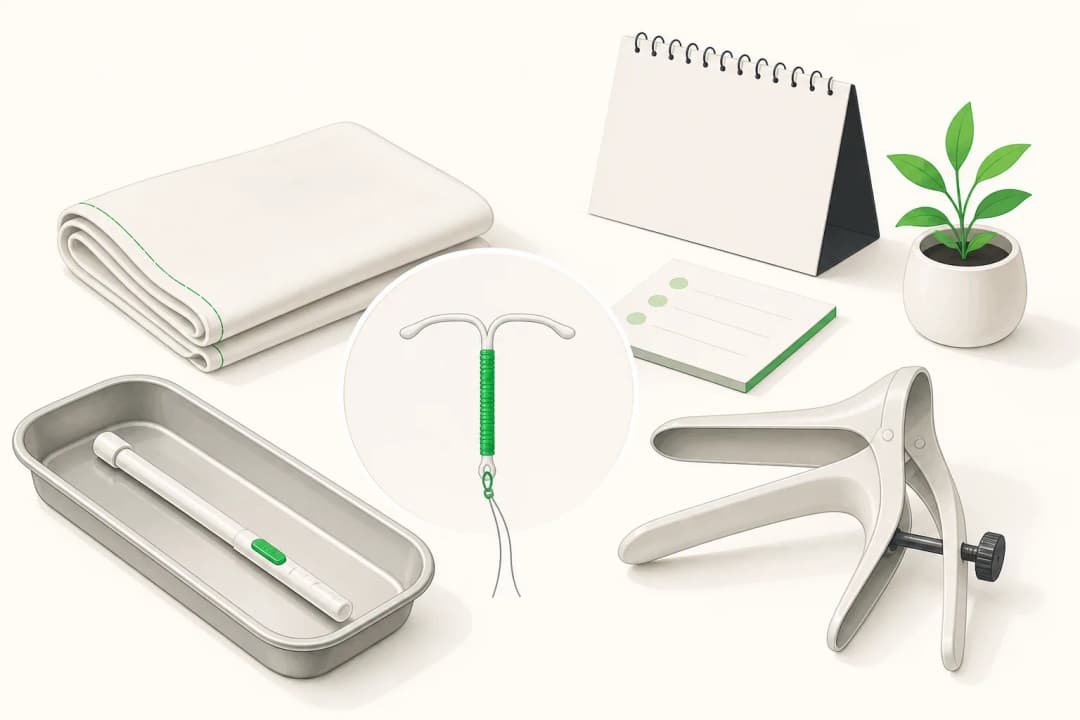
A clinician places the small device inside the uterus. Copper changes the local environment so sperm cannot move and fertilise an egg easily. It does not contain oestrogen or progestogen, and fertility generally returns promptly after removal. It can suit someone who prefers hormone-free contraception, although the choice depends on bleeding patterns, uterine shape, medical history, and pregnancy plans.
Cramping and light bleeding can occur after insertion. Periods may become heavier, longer, or more uncomfortable, especially early on. A hormonal option such as a Hormonal IUD Device may affect bleeding differently.
Planning for insertion
Arrange a consultation to discuss pregnancy possibility, sexually transmitted infection risk, previous pelvic procedures, and your usual periods. The clinician may examine you and explain the insertion process. On the day, wear comfortable clothing and plan time to rest if cramps occur. Keep a note of bleeding, pain, fever, or unusual discharge afterwards, and attend any recommended follow-up.
If heavy periods already leave you tired or short of breath, mention this before choosing the device because blood loss can contribute to Iron Deficiency Anaemia. Conditions such as Uterine Fibroids or Adenomyosis may also affect whether this option is comfortable.
When to get medical help
Seek urgent medical advice for severe or worsening pelvic pain, fainting, heavy bleeding, fever, or a positive pregnancy test with pain or bleeding. Contact the clinic if you cannot feel the threads, feel hard plastic at the cervix, or develop unusual-smelling discharge. These signs need assessment rather than self-removal or waiting for the next period.
Questions for your doctor
Ask whether your bleeding pattern, uterus, and health history make a copper device suitable; what pain relief is appropriate; how to check the threads; and what symptoms should prompt same-day advice.
Find care
General Clinics & Polyclinics in Abu Dhabi
That answer is general. If you want it applied to your own case, these are licensed general clinics & polyclinics listed in Abu Dhabi.
27 Ar Ruwwad St - Shakhbout City - MSH4 - Abu Dhabi - United Arab Emirates
Accepts: Daman, Thiqa, Cigna, MetLife +20 more
Al Ruwais, Al Dhafrah
Accepts: Daman, Thiqa, AXA, Cigna +16 more
Al Bahyah - Al Bahyah Old - Abu Dhabi - United Arab Emirates
Accepts: Daman, Thiqa, Cigna, Allianz Care +18 more
Abu Dhabi
Accepts: Daman, Thiqa, AXA, Cigna +27 more
Ordered by verification status and how complete each clinic's public record is, then alphabetically. This is a directory listing, not a ranking — Zavis does not rate or recommend providers.
A factual listing drawn from the DHA, DOH and MOHAP licence registers. It is not a referral, an endorsement, or advice that any of these providers is right for you.
Questions people ask
Does the non-hormonal coil affect fertility?
It is reversible contraception, so fertility generally returns after the device is removed.
Can it help heavy periods?
No. Copper devices can make bleeding heavier, so discuss alternatives if periods are already difficult.
Related
Related reading
Keep reading
Medical disclaimer. This page is general health information, not medical advice, and it cannot diagnose you. Always consult a licensed healthcare provider about your own symptoms and treatment. In an emergency in the UAE, call 998 for an ambulance.