
What should you know about terrible nappy rash?
Short answer
Nappy rash is usually driven by moisture, friction, and contact with urine or stool, but severe, spreading, or persistent redness needs a clinician to check for infection or another cause.
This answers one question. It is not a diagnosis and does not replace an assessment by a licensed doctor.
At a glance
- Common triggers
- Wetness, stool, friction, and irritated skin
- Gentle routine
- Prompt changes, patting dry, and barrier protection
- Get advice
- For spreading redness, open sores, fever, or poor feeding
What a severe nappy rash can involve
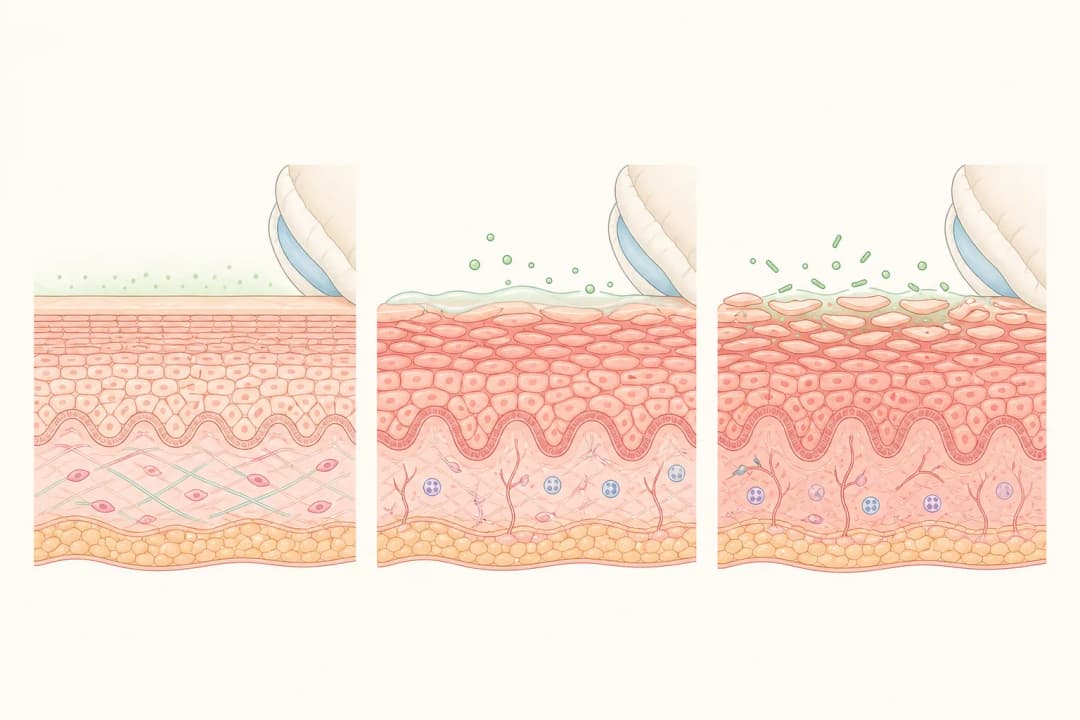
Irritant nappy rash often causes red, sore skin on areas covered by the nappy. Frequent wetness, loose stool, diarrhoea, rubbing, and fragranced wipes can weaken the skin barrier. A yeast-related rash may be bright red, involve skin folds, or have small spots beyond the main irritated area; it cannot be diagnosed reliably from a description alone.
Open skin, blisters, crusting, unusual bruising, or a rash outside the nappy area deserves medical assessment. Babies may also show discomfort through crying during changes or reluctance to sit.
Gentle care at home
Change nappies promptly, rinse with lukewarm water or use gentle fragrance-free products, and pat rather than rub. Give the skin short periods of air exposure when practical. Apply a protective barrier recommended for infants and avoid talcum powder, fragranced products, and vigorous scrubbing. [Emollient Therapy](/treatments/medical-dermatology/emollient-therapy/) may help protect irritated skin when suitable. If yeast is suspected, a clinician may recommend [Topical Antifungal Treatment](/treatments/medical-dermatology/topical-antifungal-therapy/); do not use leftover medicine or steroid combinations without advice.
When to seek care
Contact a clinician if the rash is not improving with gentle nappy care, keeps returning, affects the folds, or has blisters, pus, crusts, bleeding, or open sores. Seek urgent advice for fever, marked swelling, rapidly spreading redness, severe pain, poor feeding, unusual sleepiness, or fewer wet nappies. Very young babies with a significant rash should be assessed promptly.
Questions for your doctor
Does this look like irritant rash, yeast, allergy, or another skin condition? Which barrier product is suitable? Should I change wipes, nappies, or washing habits, and what signs mean the treatment is not working?
Find care
General Clinics & Polyclinics in Abu Dhabi
That answer is general. If you want it applied to your own case, these are licensed general clinics & polyclinics listed in Abu Dhabi.
27 Ar Ruwwad St - Shakhbout City - MSH4 - Abu Dhabi - United Arab Emirates
Accepts: Daman, Thiqa, Cigna, MetLife +20 more
Al Ruwais, Al Dhafrah
Accepts: Daman, Thiqa, AXA, Cigna +16 more
Al Bahyah - Al Bahyah Old - Abu Dhabi - United Arab Emirates
Accepts: Daman, Thiqa, Cigna, Allianz Care +18 more
Abu Dhabi
Accepts: Daman, Thiqa, AXA, Cigna +27 more
Ordered by verification status and how complete each clinic's public record is, then alphabetically. This is a directory listing, not a ranking — Zavis does not rate or recommend providers.
A factual listing drawn from the DHA, DOH and MOHAP licence registers. It is not a referral, an endorsement, or advice that any of these providers is right for you.
Questions people ask
Can I use antifungal cream for nappy rash?
Only use an antifungal recommended for the child after a clinician or pharmacist considers whether yeast is involved.
Should I stop using wipes?
If wipes sting or contain fragrance, rinsing with lukewarm water and patting dry may be gentler while the skin heals.
Related
Related reading
Keep reading
Medical disclaimer. This page is general health information, not medical advice, and it cannot diagnose you. Always consult a licensed healthcare provider about your own symptoms and treatment. In an emergency in the UAE, call 998 for an ambulance.