
Swelling in pregnancy: which month does it start?
Short answer
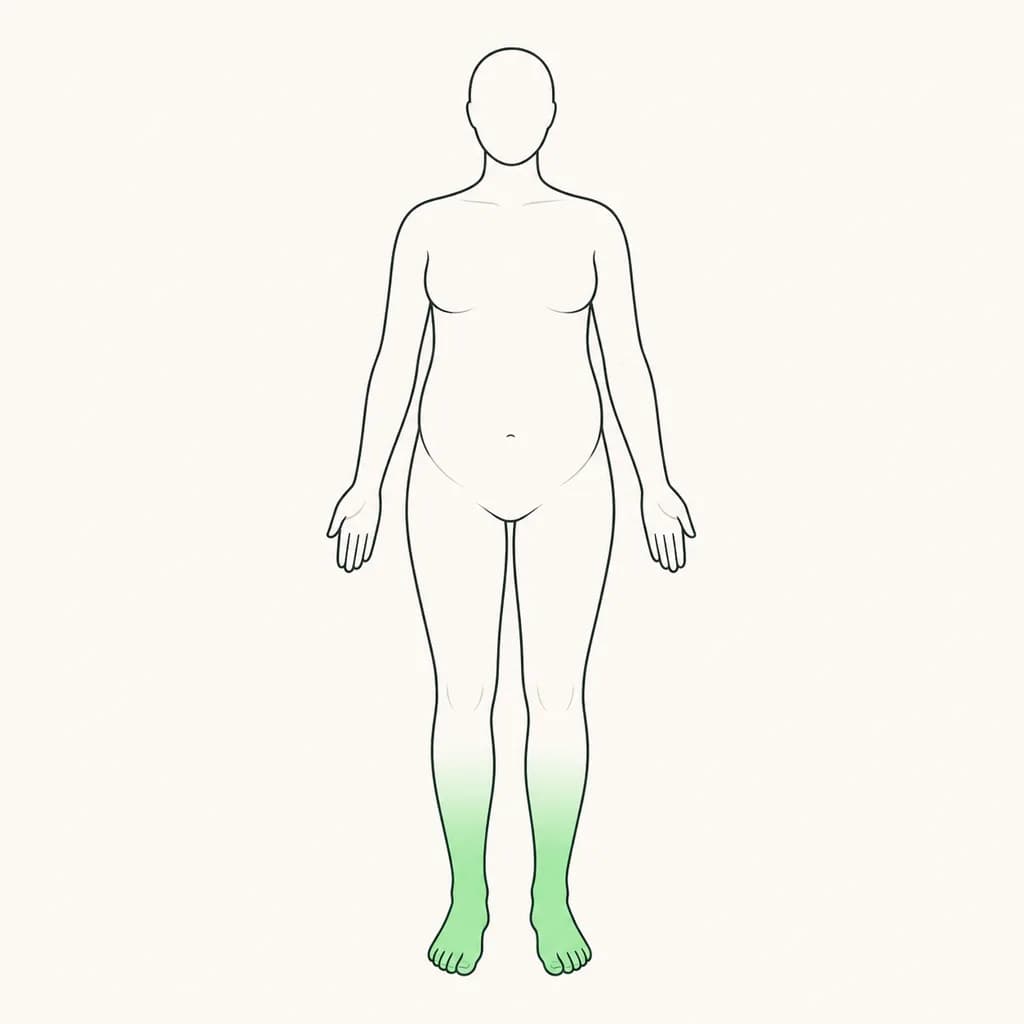
Swelling in pregnancy often becomes more noticeable in the later months, especially around the ankles and feet, but sudden or marked swelling needs prompt medical assessment.
This answers one question. It is not a diagnosis and does not replace an assessment by a licensed doctor.
At a glance
- Common pattern
- Gradual swelling in both feet or ankles that is worse later in the day.
- Useful detail
- Record when swelling starts, where it occurs, and whether rest improves it.
What the timing can mean
As pregnancy progresses, the body holds more fluid and the growing uterus can slow blood return from the legs. This may cause puffiness that is worse after standing, walking, or later in the day. Mild swelling can affect both feet and improve after rest. Hands may also feel tight, and shoes or rings may become uncomfortable. The month alone does not decide whether swelling is harmless; its speed, severity, distribution, and accompanying symptoms matter.
Ways to ease ordinary swelling
Take regular breaks from standing and rest with your legs raised. Sleep on your side if that is comfortable, wear supportive shoes, and avoid socks or clothing that leave deep marks. Gentle walking and ankle movements can support circulation. Drink normally rather than restricting fluids, and do not start water tablets, herbal products, or a very low-salt diet without advice. Mention persistent swelling at routine antenatal visits so your blood pressure and urine can be checked.
When to seek care promptly
Contact your maternity team promptly if swelling appears suddenly, becomes much stronger, or involves your face or hands. Seek urgent help for a severe headache, blurred vision or flashing lights, pain beneath the ribs, vomiting, breathlessness, chest pain, or feeling very unwell. Swelling in one leg with pain, warmth, redness, or tenderness also needs prompt assessment. These features can have causes that require treatment, including pre-eclampsia, a pregnancy blood-pressure condition.
Questions for your doctor
Ask whether the pattern fits expected pregnancy fluid retention, whether your blood pressure and urine need checking, and which changes should trigger a same-day call. You can also ask about safe activity, footwear, and whether another condition or medicine could be contributing.
Find care
General Clinics & Polyclinics in Abu Dhabi
That answer is general. If you want it applied to your own case, these are licensed general clinics & polyclinics listed in Abu Dhabi.
27 Ar Ruwwad St - Shakhbout City - MSH4 - Abu Dhabi - United Arab Emirates
Accepts: Daman, Thiqa, Cigna, MetLife +20 more
Al Ruwais, Al Dhafrah
Accepts: Daman, Thiqa, AXA, Cigna +16 more
Al Bahyah - Al Bahyah Old - Abu Dhabi - United Arab Emirates
Accepts: Daman, Thiqa, Cigna, Allianz Care +18 more
Abu Dhabi
Accepts: Daman, Thiqa, AXA, Cigna +27 more
Ordered by verification status and how complete each clinic's public record is, then alphabetically. This is a directory listing, not a ranking — Zavis does not rate or recommend providers.
A factual listing drawn from the DHA, DOH and MOHAP licence registers. It is not a referral, an endorsement, or advice that any of these providers is right for you.
Questions people ask
Can swelling start before the final months?
Yes. Mild swelling can occur earlier, but new, rapid, or marked swelling should be discussed with your maternity team.
Does the month identify the cause?
No. Timing is only one clue; the pattern and associated symptoms are more useful.
Related
Related reading
Keep reading
Medical disclaimer. This page is general health information, not medical advice, and it cannot diagnose you. Always consult a licensed healthcare provider about your own symptoms and treatment. In an emergency in the UAE, call 998 for an ambulance.