
Postpartum depression signs and symptoms
Short answer
Postpartum depression signs and symptoms can affect mood, thoughts, sleep, energy, relationships, and daily functioning, and they deserve compassionate professional assessment.
This answers one question. It is not a diagnosis and does not replace an assessment by a licensed doctor.
At a glance
- Emotional signs
- Low mood, anxiety, guilt, irritability, loss of interest, or disconnection.
- Functional signs
- Difficulty sleeping, eating, concentrating, or managing daily care.
Signs to notice
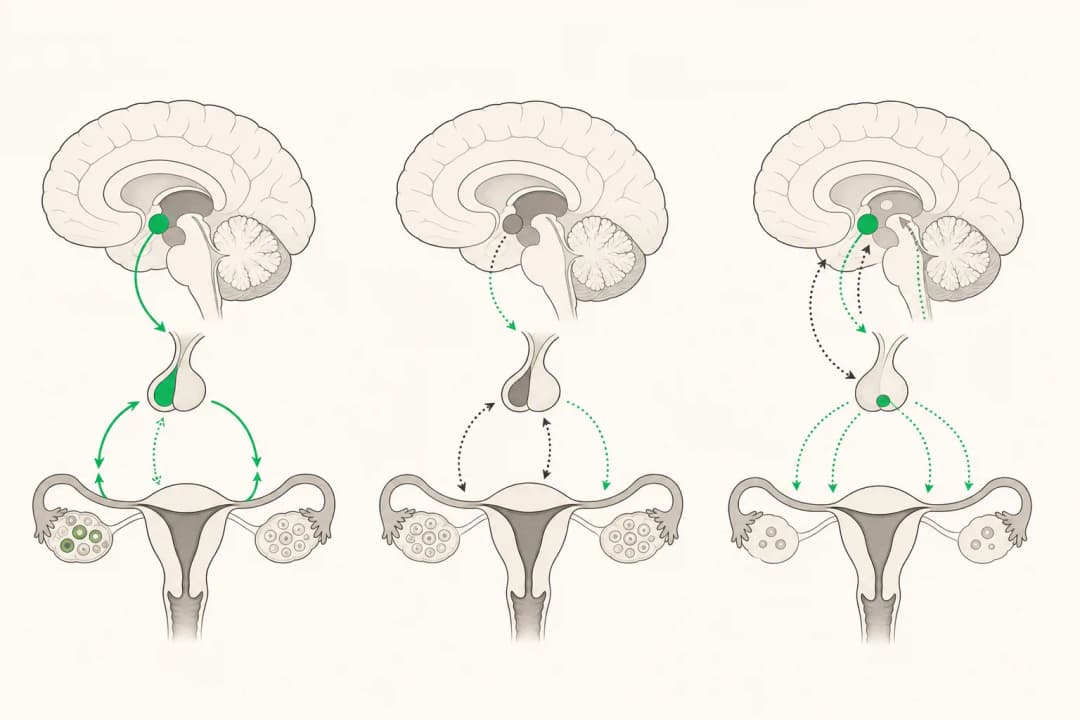
Someone with postpartum depression may feel persistently sad, empty, anxious, irritable, guilty, or overwhelmed. They may lose interest in activities, struggle to feel connected, find concentration difficult, or believe they are a bad parent. Sleep and appetite can change beyond what infant care explains; exhaustion may remain even after an opportunity to rest. Physical recovery, pain, feeding challenges, relationship stress, and previous mental health problems can add pressure. Low Mood After Birth may help describe the emotional symptoms. Low Sex Drive can also appear with low mood, fatigue, hormonal change, relationship strain, or medication.
What to do if signs fit
Tell a trusted person what you have noticed and arrange an assessment with a GP, midwife, obstetric clinician, or mental health professional. Bring a short record of mood, sleep, appetite, thoughts, medicines, and how daily tasks are affected. Accept practical help with meals, rest, transport, and baby care. Perinatal Mental Health Support can explain therapy, medication, and other care options. Speaking early can make it easier to choose support before symptoms become harder to manage.
When care is urgent
Seek prompt care when symptoms persist, worsen, or interfere with eating, sleeping, hygiene, bonding, or caring for the baby. Get emergency help immediately for suicidal thoughts, plans to harm yourself or someone else, hallucinations, severe confusion, unusual fixed beliefs, extreme agitation, or behaviour that feels unsafe. A family member can contact services if the parent cannot do so. Keep the person and baby with a safe adult while help is arranged.
Questions for your clinician
Could these symptoms be postpartum depression or another condition? Are physical checks needed? What treatment options fit my health, feeding plans, and sleep? How can my family support me, and what warning signs should trigger emergency help?
Find care
General Clinics & Polyclinics in Abu Dhabi
That answer is general. If you want it applied to your own case, these are licensed general clinics & polyclinics listed in Abu Dhabi.
27 Ar Ruwwad St - Shakhbout City - MSH4 - Abu Dhabi - United Arab Emirates
Accepts: Daman, Thiqa, Cigna, MetLife +20 more
Al Ruwais, Al Dhafrah
Accepts: Daman, Thiqa, AXA, Cigna +16 more
Al Bahyah - Al Bahyah Old - Abu Dhabi - United Arab Emirates
Accepts: Daman, Thiqa, Cigna, Allianz Care +18 more
Abu Dhabi
Accepts: Daman, Thiqa, AXA, Cigna +27 more
Ordered by verification status and how complete each clinic's public record is, then alphabetically. This is a directory listing, not a ranking — Zavis does not rate or recommend providers.
A factual listing drawn from the DHA, DOH and MOHAP licence registers. It is not a referral, an endorsement, or advice that any of these providers is right for you.
Questions people ask
How is postpartum depression different from the baby blues?
The baby blues are usually milder and short-lived. Persistent, intense, worsening, or function-limiting symptoms should be assessed for postpartum depression.
Can postpartum depression happen without sadness?
Yes. Anxiety, irritability, numbness, guilt, loss of interest, or frightening thoughts may be the main concerns.
Related
Related reading
Keep reading
Medical disclaimer. This page is general health information, not medical advice, and it cannot diagnose you. Always consult a licensed healthcare provider about your own symptoms and treatment. In an emergency in the UAE, call 998 for an ambulance.