
Polyhydramnios signs and symptoms
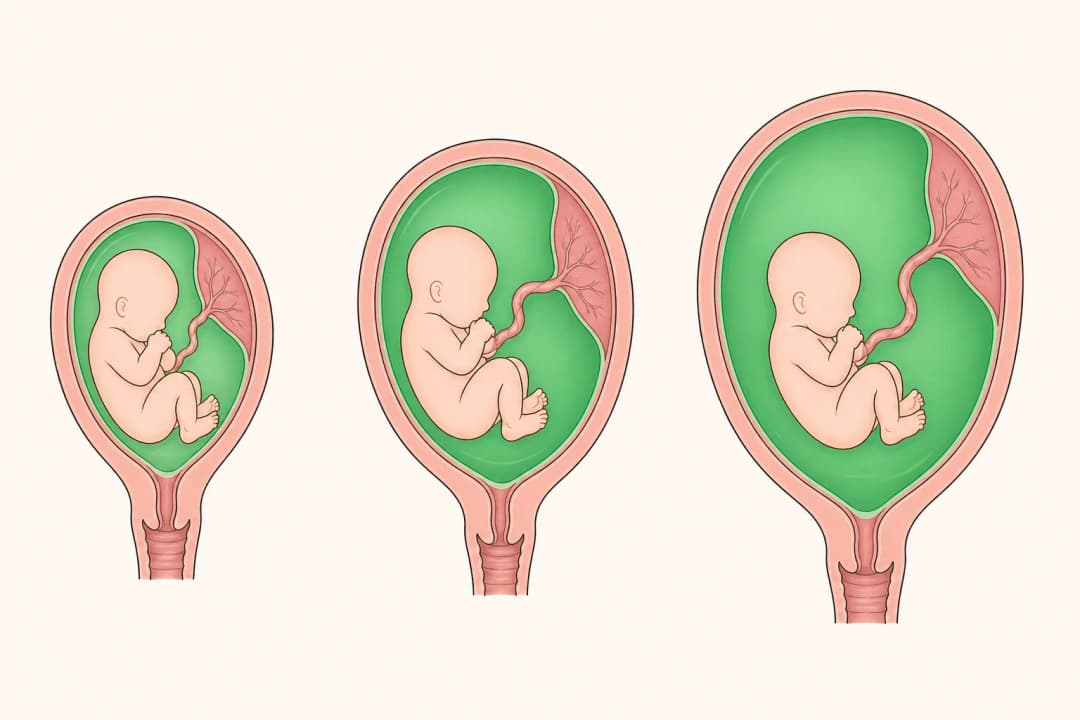
Short answer
Polyhydramnios means there is more amniotic fluid around the baby than expected; some people have no symptoms, while others notice increasing abdominal size, breathlessness, swelling, or discomfort.
This answers one question. It is not a diagnosis and does not replace an assessment by a licensed doctor.
At a glance
- Term
- Polyhydramnios is also called too much amniotic fluid.
- Symptoms
- Some people have no symptoms; pressure-related symptoms can develop as fluid increases.
- Assessment
- Ultrasound is used to measure fluid and assess the baby.
What should you know about polyhydramnios signs and symptoms?
Polyhydramnios means there is more amniotic fluid around the baby than expected; some people have no symptoms, while others notice increasing abdominal size, breathlessness, swelling, or discomfort. It may be found during a routine antenatal examination or ultrasound rather than because of a particular feeling. Symptoms can also overlap with normal changes later in pregnancy, so they cannot confirm the diagnosis on their own.
How polyhydramnios can present
As fluid increases, the uterus may become larger or feel unusually tight. The extra pressure can make breathing harder, especially when lying flat, and may cause abdominal heaviness, indigestion, or back discomfort. Swelling of the legs can occur, although swelling has many possible causes in pregnancy. Some people experience uterine tightening or contractions. The amount of fluid and the speed at which it changes influence how noticeable symptoms are. An ultrasound measures the fluid and checks the baby’s growth, position, and visible anatomy.
What to do after symptoms or a scan finding
Contact your maternity team if your abdomen is enlarging quickly, breathing is becoming difficult, or you are having repeated tightenings. They may arrange an ultrasound, review your pregnancy history, and check for conditions that can affect fluid levels, such as diabetes or an issue affecting the baby’s swallowing. Follow-up may include repeat scans and checks of your blood pressure, symptoms, and the baby’s wellbeing. Keep a note of when symptoms began, whether they worsen with activity or lying down, and any change in fetal movement. A growth scan can be part of this assessment.
When to seek urgent pregnancy care
Seek urgent advice for severe or sudden breathlessness, chest pain, severe abdominal pain, vaginal bleeding, or fluid leaking from the vagina. Contact your maternity unit promptly for regular painful contractions, a sudden increase in abdominal size, or reduced or changed fetal movements. If breathing is severely difficult, you feel faint, or you have blue lips, call emergency services. These symptoms need assessment because they may signal a complication of pregnancy or another urgent condition, whether or not polyhydramnios has been diagnosed.
Questions for your doctor or midwife
Ask what the ultrasound showed, whether the fluid level is mild or more pronounced, and when it should be checked again. You can also ask whether your symptoms change the monitoring plan, whether testing for diabetes or another cause is appropriate, and which movement or contraction changes should prompt a call. Ask how to reach your maternity team outside clinic hours.
Find care
General Clinics & Polyclinics in Abu Dhabi
That answer is general. If you want it applied to your own case, these are licensed general clinics & polyclinics listed in Abu Dhabi.
27 Ar Ruwwad St - Shakhbout City - MSH4 - Abu Dhabi - United Arab Emirates
Accepts: Daman, Thiqa, Cigna, MetLife +20 more
Al Ruwais, Al Dhafrah
Accepts: Daman, Thiqa, AXA, Cigna +16 more
Al Bahyah - Al Bahyah Old - Abu Dhabi - United Arab Emirates
Accepts: Daman, Thiqa, Cigna, Allianz Care +18 more
Abu Dhabi
Accepts: Daman, Thiqa, AXA, Cigna +27 more
Ordered by verification status and how complete each clinic's public record is, then alphabetically. This is a directory listing, not a ranking — Zavis does not rate or recommend providers.
A factual listing drawn from the DHA, DOH and MOHAP licence registers. It is not a referral, an endorsement, or advice that any of these providers is right for you.
Questions people ask
Can polyhydramnios have no symptoms?
Yes. It may be discovered during a routine examination or ultrasound, even when you feel well.
Does breathlessness mean I have polyhydramnios?
No. Breathlessness has several possible causes in pregnancy. Polyhydramnios can add pressure that makes breathing harder, but an ultrasound is needed to assess fluid levels.
Related
Related reading
Keep reading
Medical disclaimer. This page is general health information, not medical advice, and it cannot diagnose you. Always consult a licensed healthcare provider about your own symptoms and treatment. In an emergency in the UAE, call 998 for an ambulance.