
Peanuts and kidney stones
Short answer
Peanuts do not automatically cause kidney stones, but their oxalate content may matter for some stone types and personal dietary plans.
This answers one question. It is not a diagnosis and does not replace an assessment by a licensed doctor.
At a glance
- Main dietary issue
- Oxalate may matter more for people who form calcium oxalate stones.
- Daily priority
- Avoiding dehydration supports less concentrated urine.
How peanuts fit the picture
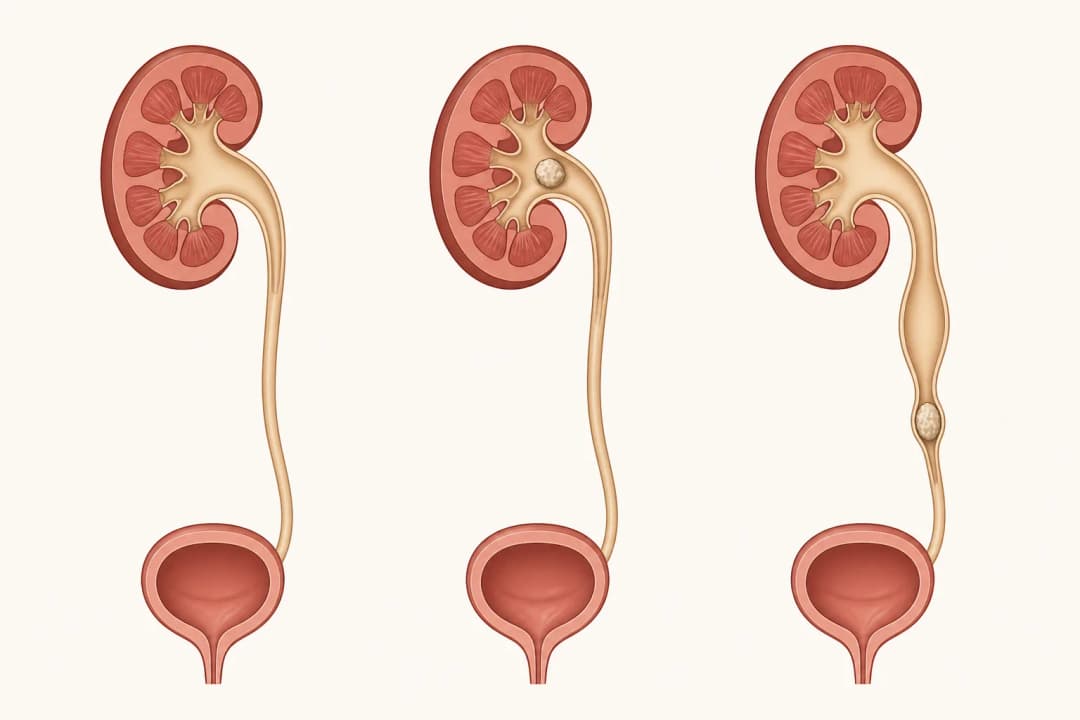
Kidney stones form when minerals in urine become concentrated and crystallise. Peanuts contain oxalate, a substance that can combine with calcium in urine for people who form calcium oxalate stones. That does not mean every person with stones must avoid peanuts. Stone composition, urine findings, overall diet, kidney function, and fluid intake all change the advice. Eating a calcium-containing food with a meal may affect how oxalate is handled in the gut, but a clinician should personalise recommendations. [Dehydration](/conditions/dehydration/) can make urine more concentrated, so fluid habits matter alongside any single food.
What you can do
Keep a record of foods, fluid intake, and any previous stone analysis to discuss at a [GP Consultation](/treatments/consultations-and-assessment/gp-consultation/). Do not sharply restrict nutritious foods without guidance. Spread fluids through the day unless a clinician has limited your intake, and follow advice about salt and other dietary factors. If a stone is suspected, assessment may include urine tests and imaging such as an [Abdominal Ultrasound](/treatments/diagnostics-and-screening/abdominal-ultrasound/). A plan based on your stone type is more useful than treating peanuts as a universal cause.
Warning symptoms
Get urgent medical care for severe or worsening [Flank Pain](/symptoms/flank-pain/), fever or chills, repeated vomiting, or feeling very unwell. Prompt assessment is also needed for [Difficulty Passing Urine](/symptoms/difficulty-passing-urine/) or markedly reduced urine, because a blocked urinary tract can become serious. Blood in urine, [Painful Urination](/symptoms/painful-urination/), or persistent [Abdominal Pain](/symptoms/abdominal-pain/) should be assessed, particularly when accompanied by fever. Do not wait for diet changes to settle intense symptoms.
Questions for your doctor
What type of stone do I have, if known? Should I limit peanuts or other oxalate-rich foods? How much fluid is suitable for me? Do I need urine testing, stone analysis, or imaging? Which symptoms require same-day care?
Find care
General Clinics & Polyclinics in Abu Dhabi
That answer is general. If you want it applied to your own case, these are licensed general clinics & polyclinics listed in Abu Dhabi.
27 Ar Ruwwad St - Shakhbout City - MSH4 - Abu Dhabi - United Arab Emirates
Accepts: Daman, Thiqa, Cigna, MetLife +20 more
Al Ruwais, Al Dhafrah
Accepts: Daman, Thiqa, AXA, Cigna +16 more
Al Bahyah - Al Bahyah Old - Abu Dhabi - United Arab Emirates
Accepts: Daman, Thiqa, Cigna, Allianz Care +18 more
Abu Dhabi
Accepts: Daman, Thiqa, AXA, Cigna +27 more
Ordered by verification status and how complete each clinic's public record is, then alphabetically. This is a directory listing, not a ranking — Zavis does not rate or recommend providers.
A factual listing drawn from the DHA, DOH and MOHAP licence registers. It is not a referral, an endorsement, or advice that any of these providers is right for you.
Questions people ask
Can I eat peanuts if I have had a kidney stone?
Often the answer depends on your stone type and wider diet; ask for personalised advice rather than assuming complete avoidance.
Does drinking water dissolve an existing stone?
Fluids may support urine flow, but they do not reliably dissolve every stone and cannot replace assessment of severe symptoms.
Related
Related reading
Keep reading
Medical disclaimer. This page is general health information, not medical advice, and it cannot diagnose you. Always consult a licensed healthcare provider about your own symptoms and treatment. In an emergency in the UAE, call 998 for an ambulance.