
What should you know about the pathophysiology of postnatal depression?
Short answer
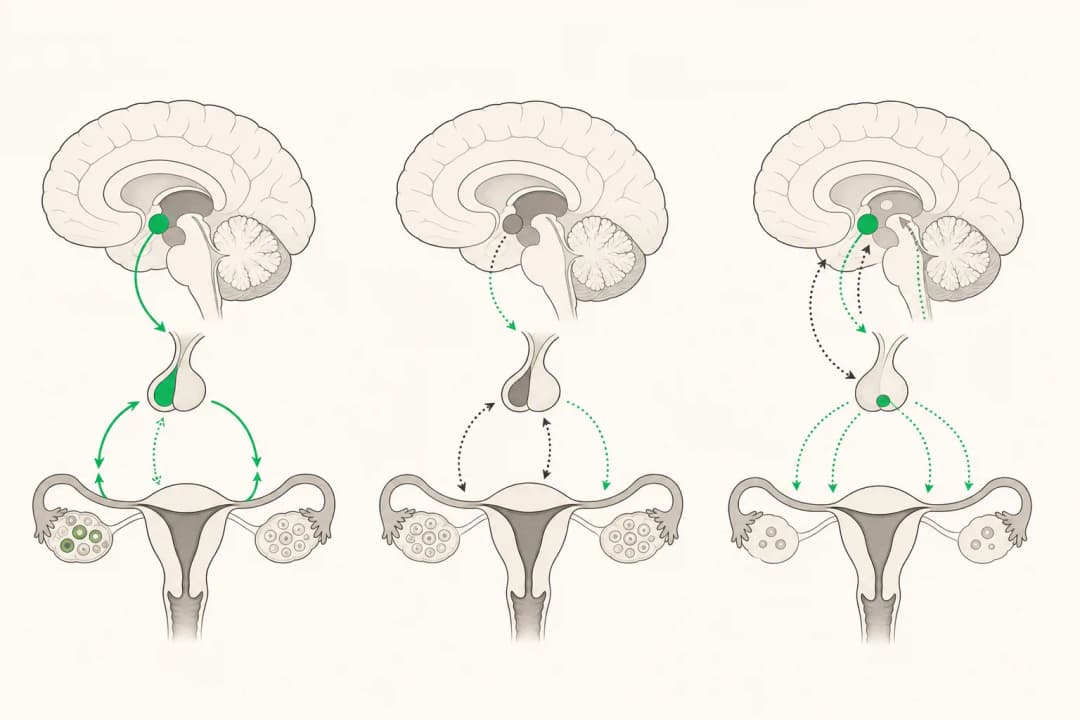
Postnatal depression develops through interacting biological, emotional and social pressures around pregnancy and birth, causing persistent changes in mood, thinking, behaviour and physical wellbeing.
This answers one question. It is not a diagnosis and does not replace an assessment by a licensed doctor.
At a glance
- Contributors
- Biological change, sleep disruption, stress and earlier mental-health problems
- Possible effects
- Mood, thinking, energy, bonding and physical wellbeing
- Treatment
- Talking therapy, practical support and sometimes medicine
How it can develop
After birth, rapid hormonal and physical changes occur while sleep is often fragmented and daily routines change. Recovery from birth, feeding difficulties, pain, isolation, relationship stress, financial pressure or a previous mental-health condition can add strain. These factors may affect mood regulation, energy, concentration and the ability to feel pleasure; no single cause explains every case.
Symptoms can include low mood, hopelessness, guilt, anxiety, irritability, loss of interest, difficulty bonding, appetite or sleep changes and thoughts of death. Low mood after birth is a key symptom, while low sex drive may occur as part of the wider picture. Postnatal depression can affect any parent and is not a failure of love or character.
Getting support
Tell a GP, midwife, obstetric clinician or mental-health professional what has changed and how long it has lasted. Mention sleep, feeding, pain, intrusive thoughts, medicines and previous episodes. Care may include talking therapy, practical and social support, treatment for physical contributors and prescribed medicine when suitable. Perinatal mental health support can be tailored to the parent and family.
When to seek urgent care
Seek prompt assessment when symptoms persist, worsen, or interfere with eating, sleeping, self-care, bonding or infant care. Get emergency help for suicidal thoughts, thoughts of harming the baby, severe confusion, hallucinations, extreme agitation or loss of contact with reality. Keep the person and baby with a trusted adult while urgent help is arranged.
Questions for your doctor
Could this be postnatal depression, anxiety or another condition? Are pain, thyroid problems, anaemia or medicines contributing? Which therapy or medicine fits feeding plans, and how will safety and progress be monitored?
Find care
General Clinics & Polyclinics in Abu Dhabi
That answer is general. If you want it applied to your own case, these are licensed general clinics & polyclinics listed in Abu Dhabi.
27 Ar Ruwwad St - Shakhbout City - MSH4 - Abu Dhabi - United Arab Emirates
Accepts: Daman, Thiqa, Cigna, MetLife +20 more
Al Ruwais, Al Dhafrah
Accepts: Daman, Thiqa, AXA, Cigna +16 more
Al Bahyah - Al Bahyah Old - Abu Dhabi - United Arab Emirates
Accepts: Daman, Thiqa, Cigna, Allianz Care +18 more
Abu Dhabi
Accepts: Daman, Thiqa, AXA, Cigna +27 more
Ordered by verification status and how complete each clinic's public record is, then alphabetically. This is a directory listing, not a ranking — Zavis does not rate or recommend providers.
A factual listing drawn from the DHA, DOH and MOHAP licence registers. It is not a referral, an endorsement, or advice that any of these providers is right for you.
Questions people ask
Is postnatal depression caused by hormones alone?
No. Biological changes interact with sleep, health, relationships, stress and personal history.
When should someone seek help?
Seek help when symptoms persist or disrupt daily life, and emergency help for suicidal thoughts, psychosis or immediate safety concerns.
Related
Related reading
Keep reading
Medical disclaimer. This page is general health information, not medical advice, and it cannot diagnose you. Always consult a licensed healthcare provider about your own symptoms and treatment. In an emergency in the UAE, call 998 for an ambulance.